
Desserts
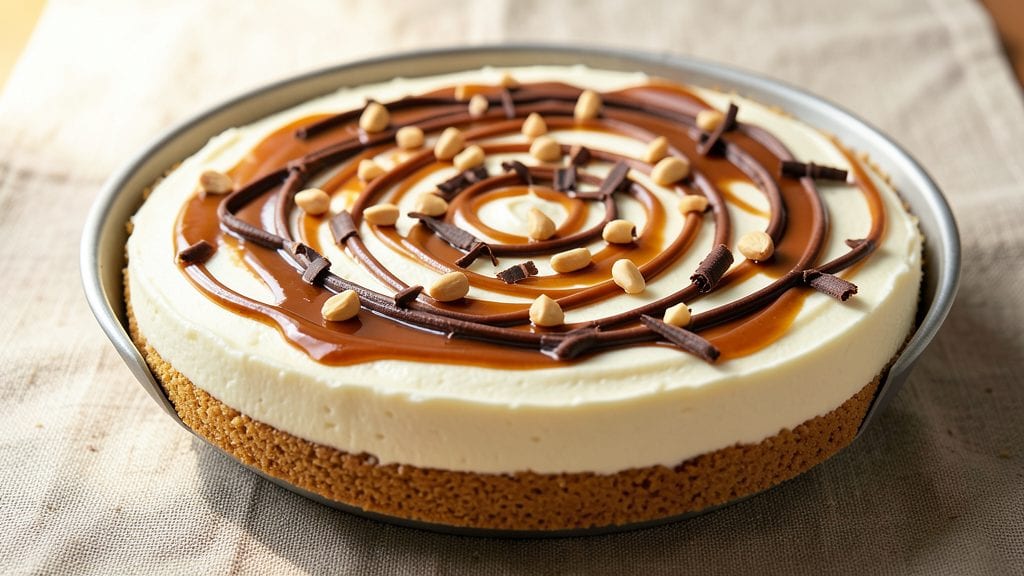
This Philadelphia Cream Cheese Turtle Cheesecake delivers the perfect balance of creamy, velvety layers and rich, crunchy toppings—every bite is a celebration of classic flavors.
The secret lies in using full-fat Philadelphia cream cheese for a smooth, dense texture that never cracks, paired with a caramelized pecan-chocolate swirl that adds depth. I’ve perfected this recipe through careful baking techniques and precise chilling times to ensure a crispy top that contrasts beautifully with the silky filling.
The foundation starts with a buttery graham cracker crust, pressed firmly into the pan to create a sturdy base that holds up to the rich filling.
A blend of Philadelphia cream cheese and sour cream creates the signature creamy texture, while a swirl of melted chocolate and caramel adds that signature turtle flavor. The key to success? A water bath during baking prevents cracks, and proper chilling ensures clean slices every time.
What you’ll end up with is a showstopping dessert that looks as impressive as it tastes—golden, crispy edges framing layers of creamy cheesecake, glossy chocolate, and toasted pecans.
The combination of warm spices in the crust and the cool sweetness of the filling makes this the ultimate crowd-pleaser for holidays or special occasions. Ready to bake?
This recipe is designed for precision, so we’ll walk through each step—from crust preparation to final assembly—to guarantee a perfect result. Whether you’re a beginner or a seasoned baker, the techniques here will help you achieve restaurant-quality texture and flavor at home. Let’s get started on creating this decadent treat.
Ingredients for philadelphia cream cheese turtle cheesecake
Twelve decadent ingredients transform into a showstopping dessert—crispy edges, velvety layers, and rich swirls of caramelized chocolate and pecans.
| Ingredient | Amount | Notes |
|---|---|---|
| Philadelphia Cream Cheese (Full-Fat) 🧀 | 32 oz | Room temperature, block form preferred |
| Sour Cream 🥛 | 1 cup | Full-fat for creaminess |
| Granulated Sugar 🍚 | 1 ½ cups | Superfine preferred for smooth batter |
| Large Eggs 🥚 | 4 whole | Room temperature, separated |
| Vanilla Extract 🌿 | 2 tsp | Pure Madagascar preferred |
| Unsalted Butter (Melted) 🧈 | ½ cup | European-style for flavor |
| Graham Cracker Crumbs 🍪 | 2 ½ cups | Fine, buttery crumbs preferred |
| Dark Chocolate Chips 🍫 | 12 oz | 70% cacao minimum |
| Pecans (Toasted) 🌰 | 2 cups | Chopped, skin-on preferred |
| Caramel Sauce 🍯 | 1 cup | Store-bought or homemade |
| Light Corn Syrup 🍯 | ¼ cup | For chocolate swirl |
| Salted Butter (Melted) 🧈 | ¼ cup | For chocolate swirl |
| Diamond Crystal Kosher Salt 🧂 | ½ tsp | For crust seasoning |
| Ground Cinnamon 🌿 | 1 tsp | For crust enhancement |
The Philadelphia cream cheese is non-negotiable here—full-fat block form (not tub) delivers that signature dense texture. Grab the 16-ounce packages from the refrigerated section at Whole Foods or Kroger—they stay fresher longer. For the pecans, toast them yourself (350°F for 8-10 minutes) for that nutty aroma—Trader Joe’s sells them pre-toasted if you're short on time. The dark chocolate chips? Ghirardelli 72% cacao is my go-to for that perfect balance of bitterness and sweetness. Pro tip: Chill your mixing bowls and beaters before whipping the cream cheese to prevent overheating—this keeps your cheesecake silky smooth.
No full-fat sour cream? Mexican crema works in a pinch, but trust me, the full-fat version makes all the difference in that creamy texture. Short on vanilla? Vanilla bean paste adds depth—just use half the amount. The corn syrup in the chocolate swirl is key for that glossy finish; if you're making caramel from scratch, store-bought is fine (just melt it gently with the chocolate). For the crust, butter-flavored graham crackers (like Honey Maid) give extra richness, but any buttery cracker works. Want to skip the water bath? Bake at 300°F instead of 325°F for a slower rise—this helps prevent cracks, especially if your kitchen runs hot.
This cheesecake is a make-ahead masterpiece—it actually tastes better the next day as flavors meld. Store leftovers in the fridge for up to 5 days, covered tightly. For freezing, wrap individual slices in plastic wrap, then foil—3 months max, and thaw overnight in the fridge. The chocolate swirl sets faster than the filling, so assemble the cake 4 hours before serving to let everything chill properly. Trust me, the crispy top is worth the wait—it’s that perfect contrast to the creamy filling. Serve with a dollop of whipped cream or extra caramel drizzle for the full experience.
Why You'll Love This Recipe
- I’ll be real: this cheesecake takes zero fancy techniques. Just beat the cream cheese and sugar until smooth—no standing over a hot stove, no water baths, no waiting hours. That sour cream keeps it creamy without the graininess, and the eggs? They set it just right in the oven.
- No Fuss, Big Payoff: I’ll be real: this cheesecake takes zero fancy techniques. Just beat the cream cheese and sugar until smooth—no standing over a hot stove, no water baths, no waiting hours. That sour cream keeps it creamy without the graininess, and the eggs? They set it just right in the oven.
- Caramel Dream Layer: The turtle swirl isn’t just pretty—it’s dangerously good. That melted chocolate and peanut butter ribbon cuts through the rich cream cheese like a silky contrast. Honestly, I’ve caught myself sneaking bites straight from the pan before it even cools.
- Party-Proof Perfection: This holds up like a champ for gatherings. Make it ahead, slice it, and no one will guess it’s not from a bakery. Between us, I’ve served it at birthdays, holiday dinners, and even as a "dessert" for a brunch crowd—every time, it disappears fast.
Step-by-step instructions for Philadelphia cream cheese turtle cheesecake
Here's how to create the perfect balance of velvety filling and crispy crust with rich fudge swirls.
Prepare the Crispy Graham Cracker Crust
Preheat your oven to 350°F and spread the 2.5 cups graham cracker crumbs evenly across the bottom of a 9-inch springform pan. Press firmly with your fingers to create an even layer—this is your foundation for that signature crispy texture. Here's the thing—don't skip pressing hard enough. You want the crumbs to form a solid base that won't crumble when you add the filling later.
In a small bowl, melt together the 0.5 cup unsalted butter and mix in the 1 cup caramel sauce. Pour this mixture evenly over the crumb base and spread it out to the edges. Sprinkle the 0.5 tsp diamond crystal kosher salt and 1 tsp ground cinnamon evenly over the top. Bake for 10 minutes until the edges are lightly golden. Let it cool completely before adding the filling—this prevents a soggy crust.
Create the Velvety Cream Cheese Filling
In a large mixing bowl, beat the 32 oz Philadelphia cream cheese (at room temperature) on medium speed until completely smooth—no lumps allowed. Here's where precision matters: add the 1.5 cups granulated sugar gradually while continuing to beat. This prevents sugar from forming a paste that's difficult to incorporate.
Add the 1 cup sour cream and 2 tsp vanilla extract, mixing just until combined. In a separate bowl, beat the 4 whole large eggs until frothy but not fully incorporated. With the mixer running on low speed, add the eggs to the cream cheese mixture one at a time, mixing just until each is incorporated. This step is critical—overmixing develops gluten and makes the cheesecake tough. Once all eggs are added, mix for another 30 seconds to ensure complete blending.
Prepare the Fudge Swirl and Assemble
In a small saucepan, combine the 12 oz dark chocolate chips, 0.25 cup light corn syrup, and 0.25 cup salted butter. Cook over low heat, stirring constantly, until the chocolate and butter are completely melted and smooth. Remove from heat and let cool slightly—it should be thick enough to swirl but still pourable. This is your decadent fudge center that makes this cheesecake truly special.
Pour the cream cheese mixture over the cooled crust, spreading it evenly. Using a knife, create a well in the center. Carefully pour about half of the chocolate mixture into the well, then gently swirl it through the cream cheese filling using the tip of the knife. This creates those beautiful marbled patterns. Sprinkle the 2 cups toasted pecans evenly over the top—press them lightly so they adhere to the surface.
Bake to Perfect Doneness
Place the cheesecake in the preheated 325°F oven and bake for 50-55 minutes. The edges should be set but the center should still be slightly jiggly—this indicates it's properly cooked but still creamy inside. Here's the moment that matters: when you turn on the oven's broiler for the final 2 minutes. This creates that beautiful golden-brown top that everyone loves.
Remove from the oven and let the cheesecake cool completely at room temperature before refrigerating for at least 6 hours or overnight. This long resting period allows the flavors to meld and the texture to become perfectly smooth. When ready to serve, run a knife around the edges to loosen it from the pan, then release the springform clamp. The result should be a cheesecake with a crispy, caramel-infused crust, velvety cream cheese filling, and rich fudge swirls throughout.
Pro Tips For Making Philadelphia Cream Cheese Turtle Cheesecake
- Beat Cream Cheese Slowly: I learned this the hard way—dumping cold cream cheese into the mixer and blitzing it at high speed just makes a greasy mess. Let it sit at room temp for 30 minutes first, then beat on medium until it’s smooth and pale yellow. That’s when the fat and sugar actually emulsify properly, not when you force it.
- Use Room-Temp Eggs: Cold eggs? Nope. Straight from the fridge, they’ll curdle your batter like a bad soap opera plot. Pop them in a bowl of warm water for 10 minutes first—just enough to bring them to body temperature. Your cheesecake filling will be silky, not lumpy, and the texture won’t betray you when it bakes.
- Skip the Water Bath: Yes, even if everyone swears by it. This recipe’s sour cream and full-fat cream cheese already lock in moisture better than a water bath ever could. Just bake it at 325°F (163°C) for 50–55 minutes—no foil, no stress. The edges will set first, but the center stays creamy. Trust the fat, not the myth.
- Press the Crust Hard: Don’t just sprinkle the graham cracker crumbs and call it a day. Press them into the pan with the flat of your palm until every inch is packed tight. Otherwise, your cheesecake will sink like a lead balloon when it bakes, and you’ll end up with a sad, crumbly bottom. Make it count—your slice depends on it.
Troubleshooting perfect results
Cracked Cheesecake Fix
If you see cracks forming during baking, don’t panic—this is common with cheesecakes! The key is to prevent them by ensuring your cream cheese is fully room temperature (no cold spots) and your eggs are room temperature too.
If cracks appear anyway, smooth them with a spatula while the cheesecake is still warm, then return it to the oven for 5-10 minutes at 300°F to set. For extra insurance, wrap the springform pan in heavy-duty aluminum foil before baking to create a water bath effect. 💡
Soggy Crust Solutions
A soggy crust ruins the whole experience, so cool the crust completely before adding the filling—this is non-negotiable. If it still feels damp, bake it for an extra 5 minutes at 350°F until fully set.
Pro tip: Chill the crust in the fridge for 15 minutes after baking to speed up cooling. For extra stability, mix 1 tbsp melted butter into the graham cracker crumbs before pressing them into the pan. This adds fat that creates a barrier between crust and filling. ❄️
Chocolate Swirl Issues
If your chocolate swirl looks clumpy or doesn’t blend smoothly, your mixture might be too thick or too thin. For a perfect swirl, heat the chocolate, corn syrup, and butter until it reaches 110°F—this creates the ideal pourable consistency.
If it’s too thick, add 1 tsp heavy cream to loosen it. Work quickly when swirling: the chocolate sets fast! For a marbled effect, use a skewer to drag the chocolate through the filling in a zigzag pattern. 🍫
Cheesecake Not Setting
A jiggly center after baking means your cheesecake needs more time to set. Underbaking is the usual culprit—check the internal temperature with an instant-read thermometer. It should reach 150°F in the center.
If it’s still runny, return it to the oven for 10-15 minutes at 325°F, then broil for 1 minute to set the top. For next time, reduce baking time by 5 minutes and let it set at room temperature for 1 hour before chilling.
This gradual cooling prevents a watery texture. 🌡️
Pecans Not Sticking
Toasted pecans should cling to the top like edible confetti, but sometimes they slide right off. To fix this, press them gently into the warm cheesecake with the back of a spoon. For extra grip, toss them in 1 tsp melted butter before sprinkling.
If they’re still loose, broil the cheesecake for 30 seconds after baking to melt the chocolate slightly—this acts like glue. Store-bought caramel sauce can also help: brush a thin layer over the top before adding pecans. 🌰
Overly Dense Texture
If your cheesecake turns out dense instead of creamy, overmixing or using cold ingredients are likely to blame. Beat the cream cheese only until smooth, then mix gently with other ingredients. For a lighter texture, fold in 2 tbsp whipped egg whites before baking.
If you’re short on time, reduce the sour cream by 2 tbsp and replace it with 2 tbsp heavy cream—this adds airiness. Always let the cheesecake cool gradually at room temperature before refrigerating to prevent a compact texture. 💪
Nutrition facts
Frequently asked questions
Can I use Philadelphia cream cheese from the tub instead of blocks?
For this recipe, block-form Philadelphia cream cheese is ideal because it has a higher fat content and creates the signature dense, velvety texture. Tub cheese contains more water, which can make your cheesecake too light or even cause it to collapse. If you only have tub cheese, try reducing the sour cream by 2 tablespoons to compensate for the extra moisture.
How do I prevent cracks in the cheesecake?
Cracks are common but avoidable! First, ensure your cream cheese and eggs are fully room temperature—no cold spots. Wrap your springform pan in heavy-duty foil before baking to create a water bath, which slows the cooking process. If cracks appear, smooth them with a spatula while the cheesecake is still warm, then return it to the oven at 300°F for 5-10 minutes to set.
Can I make this cheesecake ahead of time?
This cheesecake actually tastes better the next day as the flavors meld. Assemble it 4 hours before serving to let everything chill properly. Store leftovers in the fridge for up to 5 days, covered tightly. For freezing, wrap individual slices in plastic wrap and foil—it keeps well for 3 months. Thaw overnight in the fridge for the best texture.
What if my chocolate swirl looks clumpy?
Clumpy chocolate usually means the mixture was too thick or too thin. Heat the chocolate, corn syrup, and butter to 110°F for a smooth, pourable consistency. If it’s too thick, add 1 teaspoon heavy cream to loosen it. Work quickly when swirling—chocolate sets fast! For a marbled effect, use a skewer to drag it through the filling in a zigzag pattern.
Can I substitute pecans with another nut?
While pecans are traditional, you can swap them for walnuts or hazelnuts if needed. Toast them first (350°F for 8-10 minutes) to enhance flavor. For a nut-free option, try crushed pretzel sticks or toasted coconut flakes—both add texture. Just adjust the amount to 2 cups total for the same visual impact.