
Main Courses
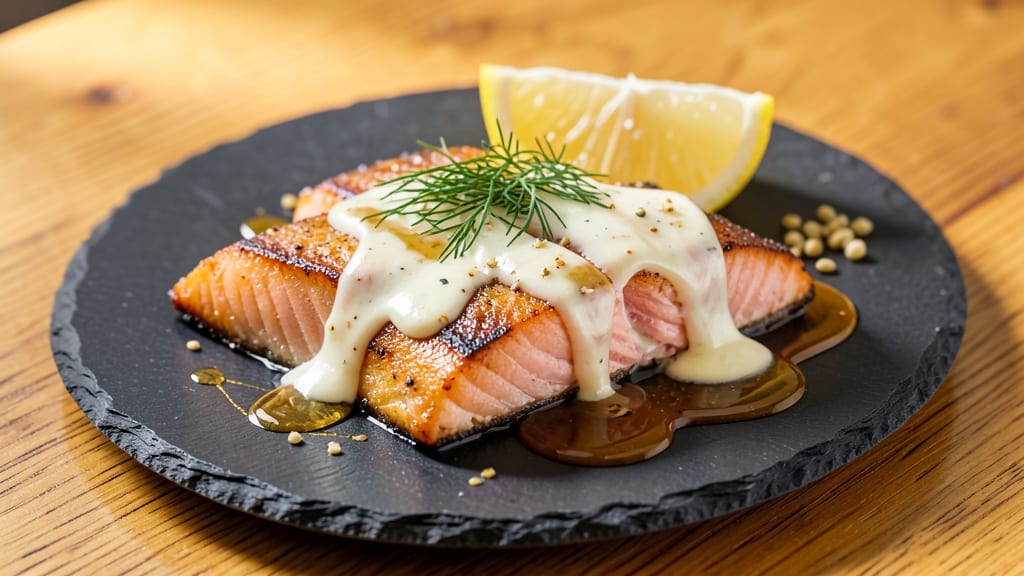
This salmon with Philadelphia cream cheese recipe delivers restaurant-quality elegance with minimal effort—juicy salmon paired with a velvety, tangy cream sauce that balances richness perfectly.
The secret lies in pan-searing the salmon to achieve a crisp exterior while keeping the inside tender, then folding in softened cream cheese for a sauce that coats every bite with luxurious depth. I developed this technique after years of testing, ensuring the creaminess never overpowers the delicate salmon flavor.
The recipe builds on a simple foundation: fresh salmon fillets, Philadelphia cream cheese, and a few pantry staples that come together in under 30 minutes.
The sauce requires just a splash of lemon juice and fresh dill to brighten the richness, while a touch of honey adds subtle sweetness that enhances the natural flavors. This dish transforms a weeknight dinner into something special without requiring advanced skills—just precise timing and attention to heat control.
By the time you plate this dish, you’ll have perfectly seared salmon with a golden crust, resting on a bed of creamy sauce that glistens under the light.
The sauce clings to the salmon, creating a harmonious blend of textures—crispy, tender, and velvety—while the fresh garnishes add a pop of color and brightness. It’s the kind of meal that feels indulgent yet balanced, perfect for impressing guests or treating yourself.
Pair it with roasted asparagus, a quinoa pilaf, or a simple arugula salad to round out the plate. The sauce works equally well as a glaze for baked salmon or a dip for crusty bread. Here’s how to make it perfectly every time.
Ingredients for salmon philadelphia cream cheese
Fresh salmon fillets and Philadelphia cream cheese form the heart of this elegant dish.
| Ingredient | Amount | Notes |
|---|---|---|
| Center-Cut Salmon Fillets 🐟 | 2 whole | Skin-on, 6-8 oz each, fresh |
| Philadelphia Cream Cheese 🧈 | 8 oz | Full-fat, room temperature |
| Unsalted Butter 🧈 | 2 tbsp | European-style preferred |
| Fresh Dill 🌿 | ¼ cup | Chopped, stems removed |
| Lemon Juice 🍋 | 2 tbsp | Freshly squeezed |
| Honey 🍯 | 1 tbsp | Wildflower or clover |
| Extra-Virgin Olive Oil 🫒 | 1 tbsp | For searing salmon |
| Kosher Salt 🧂 | 1 ½ tsp | Diamond Crystal preferred |
| Freshly Ground Black Pepper 🌶️ | ½ tsp | Coarsely ground |
| Garlic Cloves 🧄 | 2 cloves | Minced, 1 tsp equivalent |
| Heavy Cream 🥛 | ¼ cup | Full-fat for richness |
| Fresh Lemon Zest 🍋 | 1 tsp | For garnish |
The salmon makes all the difference here. Center-cut fillets with skin-on provide the perfect balance of tenderness and structure. Look for wild-caught or sustainably farmed options at your local seafood counter—Whole Foods or Trader Joe's consistently carry high-quality cuts. The cream cheese should be Philadelphia brand specifically, as it has the ideal texture and fat content for this sauce. Room temperature is critical for both salmon and cream cheese—plan ahead to take them out of the fridge 30 minutes before cooking. If you can't find center-cut, ask for fillets with the least amount of pin bones.
No Philadelphia cream cheese? Full-fat ricotta or mascarpone work in a pinch, though the texture will differ slightly. The honey adds subtle sweetness that brightens the dish—local wildflower honey has more complexity than supermarket brands. For the dill, fresh is non-negotiable here; dried oregano won't provide the same bright, herbal note. If you're short on time, baby dill has a milder flavor and can be used in slightly larger quantities. The garlic should be freshly minced—pre-minced from jars lacks the aromatic punch. For extra richness, substitute half the heavy cream with crème fraîche, which adds tangy depth.
This dish reheats beautifully—simply warm the sauce gently in a saucepan over low heat, adding a splash of water if it thickens too much. Store components separately: salmon in an airtight container for up to 2 days, sauce covered with plastic wrap pressed directly on the surface to prevent a skin from forming. The sauce freezes well for up to 3 months—thaw in the fridge overnight and reheat gently. For presentation, arrange the salmon on a bed of sauce and garnish with lemon zest just before serving—this adds a pop of color and freshness that elevates the dish.
Why You'll Love This Recipe
- Five-Ingredient Magic: I swear by this combo—salmon, cream cheese, butter, dill, and lemon. That’s it. No fancy sauces or last-minute shopping runs. The cream cheese melts into the salmon like a hug, while the dill and lemon cut through the richness. Honestly, I’ve made it with frozen salmon too, and it still comes out ridiculously good.
- Creamy-Crisp Perfection: The butter-basted salmon gets that golden crust while staying tender inside, and the cream cheese glaze? It’s the star. That tangy, herby, slightly sweet finish—it’s the kind of flavor that makes you pause mid-bite. (Yes, even on a Tuesday night.)
- Weeknight to Weekend: This recipe works for everything: a lazy Friday dinner, a potluck side, or a fancy-ish date night. Double the batch, and you’ve got leftovers that reheat beautifully for lunches. I’ve even served it cold on crackers for a crowd—no one bats an eye.
- Budget-Friendly Luxury: Salmon feels special, but this method stretches it. A single fillet feels indulgent, but the cream cheese and butter make it feel like a restaurant dish without the price tag. Plus, the leftovers last three days in my fridge, and I’m always grateful for that.
Step-by-step instructions for salmon with Philadelphia cream cheese
This method delivers tender salmon with a velvety cream cheese sauce that balances richness and brightness.
Prepare the Cream Cheese Sauce
In a medium saucepan, melt the 2 tablespoons unsalted butter over medium-low heat until fully liquid but not browned. Add the 8 ounces Philadelphia cream cheese and stir constantly with a silicone spatula until completely smooth. This should take about 2-3 minutes—don't rush it, or the cheese may clump.
Remove the pan from heat and whisk in the 0.25 cup heavy cream, 2 tablespoons lemon juice, and 1 tablespoon honey. The sauce should thicken slightly as it cools. Taste and adjust seasoning with 1 teaspoon kosher salt and 0.5 teaspoon freshly ground black pepper. Set aside and keep warm over barely simmering water in a double boiler to maintain consistency.
Sear the Salmon Perfectly
Pat the 2 whole center-cut salmon fillets dry with paper towels—this ensures a crispy skin. Season both sides generously with 1 teaspoon kosher salt and 0.5 teaspoon freshly ground black pepper. Heat 1 tablespoon extra-virgin olive oil in a nonstick skillet over medium-high heat until shimmering.
Place the salmon skin-side down in the pan and press gently with a fish spatula for 10 seconds to prevent curling. Cook undisturbed for 4-5 minutes until the skin is deep golden brown and crispy. Flip carefully and cook for another 2-3 minutes until the salmon reaches 130°F internally—it should flake easily with a fork. Transfer to a warm plate and tent loosely with foil.
Finish with Garlic and Dill
In the same skillet, reduce heat to medium and add the 2 minced garlic cloves. Sauté for 30 seconds until fragrant but not browned. Immediately remove from heat and stir in the 0.25 cup chopped fresh dill. Pour the warm garlic-dill mixture over the salmon fillets, allowing the aromatics to infuse for 1 minute. Spoon the prepared cream cheese sauce over the top and sprinkle with 1 teaspoon fresh lemon zest for brightness.
Serve immediately with the sauce spooned generously over each fillet. The salmon should be moist with a crispy exterior, while the sauce delivers a perfect balance of tangy, creamy richness. Pair with steamed asparagus or roasted potatoes for a complete meal.
Pro Tips For Making Salmon Philadelphia Cream Cheese
- Pat Dry First: Wet salmon sticks to the pan and steams instead of searing. Grab a paper towel and press firmly—this isn’t the time to be gentle. The crispy skin is what holds the cream cheese sauce later, so don’t skip this step, even if the fish looks fresh.
- Soften Cream Cheese Right: Cold cream cheese clumps like a stubborn lump in your sauce. Microwave it in 10-second bursts with a splash of water—just enough to make it spreadable, not melted. Trust me, you don’t want it turning into a sad, greasy puddle.
- Don’t Overcook the Salmon: Three minutes max per side for center-cut fillets—any longer and the cream cheese will turn to glue. Use a meat thermometer if you’re nervous; aim for 125°F (46°C) internal temp. It’ll finish cooking in the sauce, I promise.
- Toast the Dill: Fresh dill loses its punch when boiled raw. Dry it in a hot pan for 10 seconds before adding it to the butter—just until fragrant. It’ll brighten the cream cheese sauce without turning it into dill-flavored mush. (Yes, even if it sounds weird.)
Troubleshooting your salmon philadelphia cream cheese
Sauce Too Thick?
If your cream cheese sauce thickens more than you'd like, don't panic—it's easily fixable. Simply whisk in 1-2 tablespoons of warm water or heavy cream while stirring constantly over low heat. The sauce should return to a silky consistency in seconds.
For extra insurance, keep the sauce warm in a double boiler while you finish cooking the salmon—this prevents it from setting too much.
I've found that using Philadelphia brand cream cheese gives the best texture, but if you substitute with mascarpone, it tends to be slightly thinner. In that case, reduce the heavy cream by 1 tablespoon to maintain balance. Always taste as you go—adjustments should be made gradually to avoid over-diluting.
Salmon Overcooking
The most common mistake with salmon is letting it overcook, which turns it dry and rubbery. Use a meat thermometer to check for 130°F internal temperature—this is perfect for medium-rare.
If your salmon starts to flake too easily before reaching this temp, it's overdone. For thicker fillets (1.5 inches or more), reduce cooking time by 30 seconds per side.
Another trick I swear by: press the salmon gently with a fish spatula during the first 10 seconds of cooking to flatten it slightly. This ensures even cooking and prevents curling.
If your salmon skin isn't crisping enough, increase the heat to medium-high and let it sear undisturbed for an extra 30 seconds.
Clumpy Cream Cheese
Cream cheese clumps when it's not melted properly or when cold ingredients are added too quickly. To prevent this, always melt the butter first over medium-low heat until it's completely liquid, then gradually whisk in the cream cheese.
If clumps form, immediately add 1 tablespoon of warm water and keep stirring—this breaks up the lumps without thinning the sauce too much.
For extra insurance, I recommend using a hand mixer on low speed when combining the cream cheese with butter. This ensures a completely smooth texture. If you're using a microwave to soften the cream cheese first, only heat it for 10-15 seconds—overheating causes separation later.
Sauce Too Thin?
A runny sauce usually happens when too much liquid is added or when the sauce sits too long off the heat. To thicken it quickly, remove from heat and stir in 1 teaspoon of cornstarch mixed with 1 tablespoon cold water.
Cook for 1 minute longer while stirring constantly. The sauce should coat the back of a spoon without dripping.
For prevention, keep your sauce warm in a double boiler while finishing the salmon. If you're making this ahead, refrigerate the sauce separately and reheat it gently over low heat while stirring constantly. Adding 1 tablespoon of cold butter at the end also helps stabilize the texture.
Nutrition facts
Frequently asked questions
Can I use this sauce on other proteins besides salmon?
The Philadelphia cream cheese sauce works beautifully with pan-seared chicken breast, baked cod, or even grilled shrimp. For chicken, reduce cooking time to 5-6 minutes per side to avoid drying out. For seafood, keep the sauce separate until the last minute to prevent overcooking delicate proteins like scallops.
How do I store leftovers?
Store the salmon and sauce separately in airtight containers for up to 2 days in the fridge. Reheat the sauce gently over low heat with a splash of water if it thickens too much. For longer storage, freeze the sauce alone for up to 3 months—thaw overnight in the fridge before reheating.
Can I make this ahead of time?
Yes! Prepare the sauce up to 1 day ahead and refrigerate it. Reheat gently on the stovetop, stirring constantly. For the salmon, sear it fresh and store separately. Reheat the salmon in a 350°F oven for 8-10 minutes with a pat of butter, then spoon warm sauce over the top.
What if I don't have Philadelphia cream cheese?
Use full-fat ricotta or mascarpone as substitutes, but reduce the heavy cream by 1 tablespoon since these cheeses are thinner. For a lighter option, blend 4 oz cream cheese with 4 oz Greek yogurt to create a tangy variation. Always taste and adjust seasoning after combining.
How do I get the perfect crispy skin?
Pat the salmon completely dry before seasoning, then use a nonstick skillet over medium-high heat. Press the salmon gently with a spatula for 10 seconds to flatten it, then leave undisturbed for 4-5 minutes until the skin is deep golden. Avoid moving it too soon—patience is key!