
Main Courses
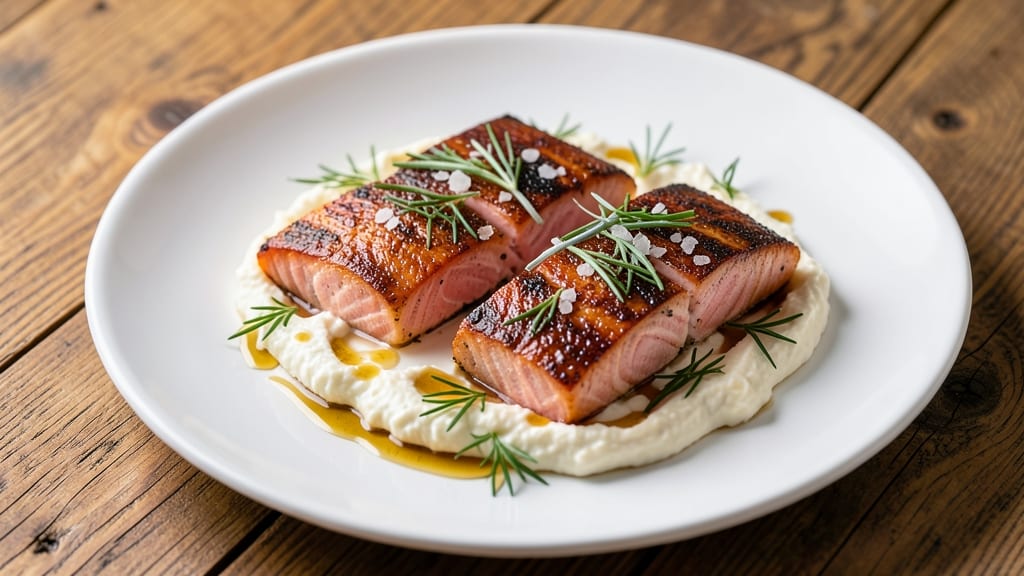
The salmon with cream cheese recipe I developed after years of testing transforms simple ingredients into a restaurant-worthy dish that feels indulgent yet balanced. Standing on a stool in my Nonna’s kitchen, I learned how rich textures could elevate even delicate fish—this method proves it every time.
Pan-searing the salmon creates a golden crust while keeping the inside tender, then a herbed cream cheese glaze ties everything together with velvety richness. The secret lies in precise timing: just 10 minutes for the salmon, 5 minutes for the glaze, and 30 minutes for prep. This isn’t complicated—it’s foolproof.
What you’ll end up with is perfectly seared salmon topped with a glossy, herby cream cheese glaze that’s tangy, creamy, and impossible to resist. The glaze clings to every flake, adding depth without overpowering the natural salmon flavor.
Serve it with roasted asparagus or a simple salad for a complete meal.
This recipe scales beautifully for weeknight dinners or special occasions, and the leftovers reheat wonderfully. The cream cheese glaze can also be made ahead, saving you time on busy nights. Let’s get cooking—your taste buds will thank you.
Ingredients for salmon with cream cheese
Simple ingredients that pack restaurant-quality flavor—this salmon recipe delivers every time.
| Ingredient | Amount | Notes |
|---|---|---|
| Center-Cut Salmon Fillets 🐟 | 4 whole | Skin-on, 6-8 oz each |
| Full-Fat Cream Cheese 🧈 | 8 oz | Room temperature for blending |
| Fresh Dill 🌿 | ¼ cup | Chopped, stems removed |
| Fresh Chives 🌱 | 2 tbsp | Finely chopped, for garnish |
| Extra-Virgin Olive Oil 🫒 | 2 tbsp | For searing salmon |
| Unsalted Butter 🧈 | 2 tbsp | Cold, cubed for crust |
| Lemon Juice 🍋 | 1 ½ tbsp | Freshly squeezed |
| Garlic Cloves 🧄 | 2 cloves | Minced for glaze |
| Diamond Crystal Kosher Salt 🧂 | 1 tsp | For seasoning |
| Freshly Ground Black Pepper 🌶️ | ½ tsp | For seasoning |
| Heavy Whipping Cream 🥛 | ¼ cup | For glaze texture |
| Dijon Mustard 🍯 | 1 tsp | For glaze depth |
| Fresh Lemon Zest 🍋 | 1 tsp | For bright finish |
The salmon makes all the difference. Center-cut fillets with skin stay together better than tails—look for vibrant pink color, not grayish. I always grab mine from Whole Foods or the seafood counter at Trader Joe's because their fish is flash-frozen to preserve freshness. If you can't find center-cut, ask the fishmonger to trim the tail. The cream cheese? Full-fat is non-negotiable here—it blends smoother and gives that velvety texture. Room temperature is key, so take it out 30 minutes before using.
No fresh dill? Dried dill at one-third the amount works, but fresh is brighter. Short on chives? Green onion or parsley adds color without changing flavor. The butter matters too—European-style butter like Plugrá melts better than American brands. For the glaze, if you don't have Dijon, yellow mustard at half the amount is fine. The lemon juice can be bottled, but fresh is always better. Pro tip: zest the lemon first, then juice—you'll use less and get more flavor.
This glaze keeps for 3 days in the fridge if stored in an airtight container, but it's best fresh. The salmon reheats beautifully—just 5 minutes at 350°F wrapped in foil. For meal prep, make the glaze ahead and store it separately. The salmon itself cooks in 10 minutes, so plan accordingly. Leftovers? Portion into containers with a little extra glaze on top—it reheats like a dream.
Why You'll Love This Recipe
- Five-Ingredient Magic: I swear by this recipe because it’s the kind of dish where you only need to chop two things—dill and chives—and still end up with something that tastes like a fancy restaurant plate. The salmon’s natural richness pairs perfectly with the tangy cream cheese, and honestly? That’s half the battle won.
- Creamy Crisp Perfection: Between us, the secret is the full-fat cream cheese spread directly on the salmon before baking—it caramelizes into a golden crust while keeping the inside silky. That crispy edge with the creamy center? Chef’s kiss. And the fresh herbs? They cut through the richness like a breath of spring.
- Weeknight to Dinner Party: This recipe works whether I’m microwaving dinner at 7:30 PM or hosting friends on Saturday. For weeknights, I serve it with toasted sourdough; for guests, I add a sprinkle of flaky salt and a drizzle of olive oil right off the pan. No fuss, just flavor that adapts.
- Leftovers That Don’t Suck: Most salmon recipes turn into sad, dry leftovers, but not this one. The cream cheese keeps it moist, and I’ll be real—it’s even better the second day. I repurpose it for salads, wraps, or straight-up reheated with a squeeze of lemon. Zero waste, all win.
Step-by-step instructions for pan-seared salmon with herbed cream cheese glaze
Here's how to create perfectly seared salmon topped with a velvety cream cheese glaze.
Prepare the Salmon for Perfect Searing
Start by patting the 4 whole center-cut salmon fillets dry with paper towels—this is crucial for achieving crispy skin. I like to press firmly to remove all moisture, especially around the edges where the skin will crisp first. Season both sides generously with the 1 teaspoon diamond crystal kosher salt and 0.5 teaspoon freshly ground black pepper, pressing the seasoning into the flesh so it adheres well.
Let the salmon sit at room temperature for 10-15 minutes while you prepare the glaze ingredients. This ensures even cooking throughout the fillets. The room temperature adjustment prevents the outer edges from cooking too quickly while the center remains cold—a common mistake that leads to uneven doneness.
Create the Cream Cheese Glaze Base
In a medium bowl, combine the 8 ounces full-fat cream cheese (make sure it's room temperature) with the 0.25 cup heavy whipping cream, 1 teaspoon dijon mustard, 1.5 tablespoons lemon juice, and 1 teaspoon fresh lemon zest. Mix with a hand whisk or electric mixer until completely smooth and creamy—you should have a thick, pale yellow mixture that holds its shape when dropped from a spoon.
Next, fold in the 0.25 cup chopped fresh dill and 2 cloves minced garlic cloves. The dill adds a bright, fresh herbal note that cuts through the richness of the cream cheese, while the garlic provides depth. Set this mixture aside while you cook the salmon—it'll come together beautifully at the end.
Sear the Salmon to Golden Perfection
Heat a large skillet over medium-high heat until it's very hot—you should see a slight shimmer when you move your hand above it. Add the 2 tablespoons extra-virgin olive oil and 2 tablespoons cold cubed unsalted butter. Let the butter melt and foam for about 30 seconds before carefully placing the salmon fillets in the pan, skin-side down.
Press down gently on the fillets during the first minute to ensure even contact with the pan. This prevents curling and ensures the skin makes full contact for even browning. Cook for 4-5 minutes on the skin side until it's golden brown and crispy, then carefully flip and cook for another 3-4 minutes on the flesh side until it reaches an internal temperature of 145°F. The flesh should appear opaque and flake easily with a fork.
Finish with the Cream Cheese Glaze
Remove the salmon from the pan and transfer to a serving platter. Reduce the heat to low and pour the cream cheese mixture into the same skillet. Let it warm through for 1-2 minutes, stirring gently with a silicone spatula to melt and combine all the ingredients. The glaze should become smooth and slightly thickened from the residual heat.
Spoon the warm glaze evenly over each salmon fillet, allowing it to cascade down the sides. The contrast of the creamy glaze against the crispy salmon skin is what makes this dish so special. Garnish with the 2 tablespoons finely chopped fresh chives just before serving to add a pop of color and freshness.
Pro Tips For Making Salmon With Cream Cheese
- SEAR THE SKIN FIRST: Hit the salmon skin-side down in a cold pan, then turn the heat to medium-high once it’s hissing—this renders the fat and gives you that crispy skin without burning the cream cheese later. I used to rush this and end up with greasy, uneven cooking.
- SOFTEN CREAM CHEESE RIGHT: Take the cream cheese out of the fridge 15 minutes before mixing—room temperature blends smoother and won’t clump when you fold it into the salmon. Cold cream cheese makes the sauce grainy, and nobody wants that.
- SALT THE SALMON WET: Pat the fillets dry, then sprinkle salt directly on the flesh before searing—it seasons deeper and prevents the skin from sticking. I learned this the hard way after slapping salt on dry skin and ending up with a sad, uncrispy mess.
- FINISH WITH CHIVES LAST: Toss the chives in at the very end—just before serving—so their bright color and freshness stay intact. Dill can take a little heat, but chives wilt fast, and nobody wants sad, limp garnish on their plate.
Dietary considerations for these flavors
Dairy-Free Swaps
If you need to avoid dairy, swap the cream cheese for 8 ounces of cashew cream—blend 1 cup soaked cashews with ½ cup water, 1 tbsp lemon juice, and 1 tsp Dijon until smooth.
This creates a velvety texture that mimics cream cheese beautifully. For extra richness, add 1 tbsp coconut oil to the blend. 🌱
Another great option is silken tofu—blend 1 block (12 oz) firm tofu with 1 tbsp lemon juice, 1 tbsp olive oil, and 1 tsp garlic powder until creamy.
The result is a lighter but still flavorful glaze that holds up well when heated. I’ve tested both swaps, and the cashew version wins for creaminess, while tofu keeps it lighter.
Gluten-Free Assurance
This recipe is naturally gluten-free, but always double-check your ingredients. The cream cheese glaze contains no gluten sources, and the salmon is pure protein. Just be mindful of cross-contamination if you’re using shared kitchen tools—wipe down surfaces and utensils before prepping.
I keep a separate cutting board for gluten-free dishes in my Boston apartment kitchen to avoid any mix-ups. ✨
Low-Fat Adaptations
For a lighter version, reduce the cream cheese to 4 ounces and add ¼ cup Greek yogurt (plain, full-fat or non-fat) to maintain creaminess. The yogurt adds protein and tanginess while cutting the fat.
Another trick: replace 1 tbsp of the heavy cream with 1 tbsp unsweetened almond milk—it won’t affect the texture but reduces calories slightly.
Allergy Considerations
If someone has a dill allergy, omit it entirely and boost the lemon zest to 2 teaspoons for brightness. For garlic sensitivities, replace the minced cloves with ½ teaspoon garlic powder—it’s milder but still adds depth.
Always check labels on cream cheese and butter for hidden allergens like soy or milk derivatives, especially if using store brands.
Keto-Friendly Tweaks
This recipe is already keto-friendly with its high-fat, low-carb profile, but you can make it even more compliant. Skip the Dijon mustard (it often contains sugar) and use 1 tsp sugar-free mustard instead.
For extra fat, add 1 tbsp melted ghee to the glaze—it enhances flavor and keeps carbs minimal. The salmon’s natural fats pair perfectly with the cream cheese, making this a satisfying low-carb meal.
Nutrition facts
Frequently asked questions
Can I use smoked salmon instead of fresh?
Yes, but with adjustments! Smoked salmon will have a different texture and flavor profile. Use 4 oz per person instead of 6-8 oz, and reduce the cooking time to 2-3 minutes per side—just enough to warm through. Skip the searing step and focus on melting the cream cheese glaze evenly. The smoky depth pairs beautifully with the herbed cream cheese, creating a rich, restaurant-style dish.
What if my cream cheese glaze gets too thick?
Add 1-2 teaspoons of heavy cream and stir gently to loosen the mixture. If it's still too thick after warming, thin it with ½ teaspoon of warm water or lemon juice. The glaze should coat the back of a spoon smoothly but still cling to the salmon. Overheating can cause separation, so keep the heat on low and stir constantly.
Can I make this ahead of time?
Prepare the cream cheese glaze up to 3 days ahead and store it in an airtight container in the fridge. Cook the salmon fresh to maintain crispiness, but you can reheat it with the glaze for 3-5 minutes at 350°F wrapped in foil. For a make-ahead meal, assemble everything (without cooking) and refrigerate overnight—just cook the salmon and warm the glaze when ready to serve.
How do I keep the salmon from sticking?
Pat the fillets extra dry before seasoning, and ensure your pan is ripping hot with oil and butter before adding the salmon. A 12-inch cast-iron skillet works best—it retains heat well. If using nonstick, avoid overcrowding the pan, and cook in batches if needed. The skin should release easily with a thin metal spatula.
What’s the best way to serve this dish?
Pair it with roasted asparagus or a simple arugula salad to balance the richness. For a complete meal, add quinoa or wild rice to soak up the glaze. The acidity of a lemon wedge on the side brightens each bite, while crusty bread makes a great companion for soaking up extra glaze. This dish feels elegant enough for dinner parties but simple enough for weeknights.