
Salads
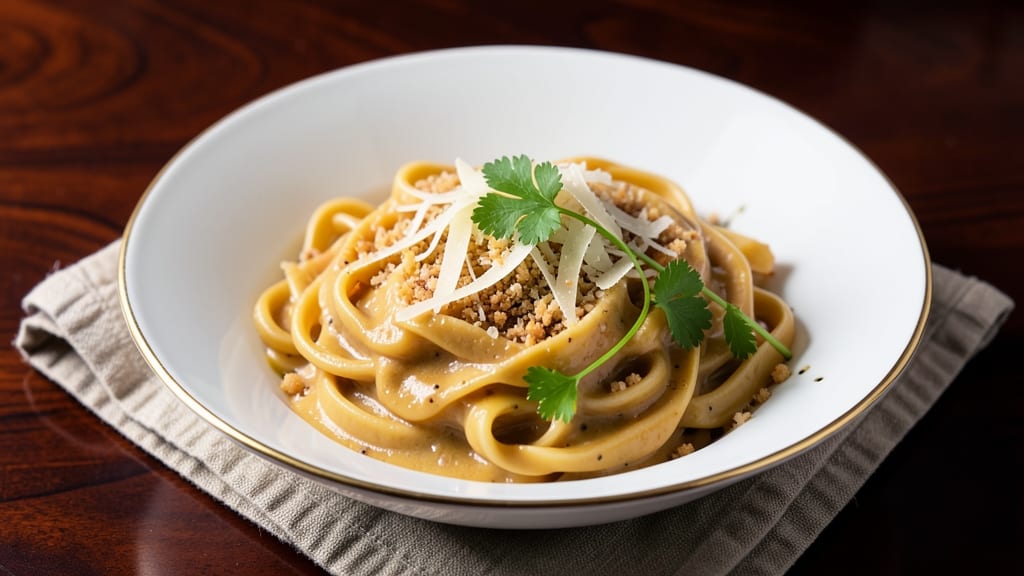
This Alfredo cheese pasta recipe delivers ultra-creamy results without the risk of burning or breaking the sauce. The secret lies in a slow, controlled process that transforms simple ingredients into a restaurant-worthy dish.
I’ve perfected this method over years of testing, ensuring the sauce remains silky and rich while the pasta stays al dente.
The foundation of this recipe is a foolproof technique: melting butter with garlic, then gradually whisking in heavy cream (or milk) to create a velvety base. Adding Parmesan cheese at the right moment ensures a smooth, cohesive texture that coats every strand of pasta.
No lumps, no separation—just perfectly creamy alfredo every time.
What sets this recipe apart is the no-burn method, where low-and-slow heat prevents scorching while allowing the sauce to thicken naturally. The result? A dish that’s indulgent yet balanced, with a luxurious sauce that clings to the pasta without overwhelming it.
Garnish with fresh parsley or grated Parmesan for a touch of brightness.
Ready in 25 minutes, this recipe is ideal for weeknight dinners or special occasions. Whether you add grilled chicken, shrimp, or keep it classic, the sauce will shine. Here’s how to make it—creamy, dreamy, and foolproof.
Ingredients for alfredo cheese pasta
Twelve ingredients transform into restaurant-quality alfredo with this foolproof, no-burn technique.
| Ingredient | Amount | Notes |
|---|---|---|
| Fettuccine Pasta 🍝 | 12 oz | Fresh or high-quality dried, al dente preferred |
| Unsalted Butter 🧈 | ¾ cup | European-style preferred for flavor |
| Garlic Cloves 🧄 | 4 cloves | Minced finely for smooth sauce |
| Heavy Cream 🥛 | 1 ½ cups | Full-fat for richest texture |
| Parmesan Cheese 🧀 | 1 ½ cups | Freshly grated, high-quality |
| Whole Milk 🥛 | ½ cup | For sauce consistency |
| Diamond Crystal Kosher Salt 🧂 | 1 ½ tsp | For pasta water and seasoning |
| Fresh Parsley 🌿 | ¼ cup | Chopped finely for garnish |
| Black Pepper 🌶️ | ½ tsp | Freshly cracked for aroma |
| Ground Nutmeg 🌿 | ¼ tsp | Freshly grated for depth |
| White Wine (optional) 🍷 | ¼ cup | Dry variety for acidity |
| Pasta Water 💧 | 1 ½ cups | Reserved from cooking pasta |
The butter and Parmesan form the sauce's backbone—European-style unsalted butter has higher fat content for creaminess, and Parmigiano-Reggiano from a deli counter delivers authentic flavor. Whole milk and heavy cream create the velvety texture, while Diamond Crystal kosher salt ensures proper seasoning without overpowering. For the garlic, four cloves provide robust flavor without bitterness—peel and mince them just before cooking to preserve freshness. Fresh pasta absorbs sauce better, but high-quality dried works too; look for brands like De Cecco or Barilla for reliable texture.
No heavy cream? Full-fat coconut milk works in a pinch, though texture differs slightly. Substitute half-and-half for a lighter sauce, but reduce by one-third to maintain consistency. Fresh parsley can be swapped for dried Italian seasoning at one-fourth the amount, though fresh adds vibrant color. The optional white wine enhances depth—Sauvignon Blanc or Pinot Grigio work best—but omit entirely if avoiding alcohol. For nutmeg, pre-ground loses potency quickly, so invest in a small whole nutmeg to grate fresh. Pasta water is non-negotiable; its starch content binds the sauce perfectly.
Parmesan cheese should be stored in the original packaging with a slice of bread to absorb moisture, lasting up to 3 months in the fridge. Butter can be kept at room temperature for 1 week or frozen for 6 months. Fresh parsley stays crisp for 5 days wrapped in damp paper towels. The sauce reheats beautifully—simmer gently with a splash of milk to restore creaminess. Portion leftovers into airtight containers for up to 4 days; freeze for 3 months in a sealed bag, thawing overnight in the fridge.
Why You'll Love This Recipe
- Five-Ingredient Magic: The pantry staples here—just butter, cream, and Parmesan—do all the heavy lifting. No fancy prep, no hidden ingredients; it’s the kind of dish that lets you relax while the sauce thickens itself into something velvety.
- Garlic Butter Bliss: That moment when you melt butter with raw garlic and let it sizzle? Pure flavor alchemy. The richness of the cream and sharpness of Parmesan turn it into a sauce that clings to every strand of fettuccine like it’s been waiting for it.
- Weeknight & Date Night: Throw it together for a lazy Tuesday or dress it up with a sprinkle of red pepper flakes for a Friday night. Same recipe, two vibes—because sometimes you want comfort, and sometimes you want elegant comfort.
- Leftovers That Don’t Suck: Unlike creamy sauces that turn gluey, this one actually improves the next day. Reheat with a splash of milk or a pat of butter, and it’s just as luscious—proof that good food doesn’t have to disappear after one serving.
Step-by-step instructions for ultra-creamy alfredo pasta
Master this no-burn technique for velvety sauce that coats every strand perfectly.
Cook Pasta to Al Dente Perfection
Bring a large pot of water to a rolling boil and add the 12 oz fettuccine pasta. Season generously with 1.5 tsp Diamond Crystal Kosher Salt—the water should taste like the sea. Stir occasionally to prevent sticking, and cook until 1 minute before the package's recommended al dente time.
Reserve 1.5 cups pasta water before draining. This starchy liquid is essential for emulsifying the sauce later. Drain the pasta but do not rinse—surface starch helps the sauce cling. Toss the drained pasta with a tablespoon of the 0.75 cup unsalted butter to prevent clumping while you prepare the sauce.
Melt Butter and Infuse with Garlic
In a large skillet or deep saucepan, melt the remaining 0.75 cup unsalted butter over medium-low heat. Add the 4 cloves minced garlic cloves and cook for 1-2 minutes until fragrant but not browned. Browned garlic adds bitterness—this is where the no-burn technique matters most.
Here's the thing—garlic burns quickly. Watch it closely, and if it starts to darken, remove the pan from heat for 10 seconds while you stir. The butter should foam gently and smell nutty, not burnt. This aromatic base forms the flavor foundation for your sauce.
Build the Sauce with Cream and Cheese
Reduce heat to low and slowly whisk in the 1.5 cups heavy cream. Let it warm through for 2-3 minutes, stirring constantly to prevent curdling. Then gradually add the 1.5 cups freshly grated parmesan cheese, whisking vigorously to create a smooth, velvety emulsion.
If the sauce begins to thicken too much, add 1-2 tablespoons of reserved pasta water to loosen it. This creates the signature ultra-creamy texture without lumps. The key is patience—rushing causes the dairy to separate. Stir in the 0.5 cup whole milk and 0.25 tsp ground nutmeg for depth of flavor.
Finish with Wine and Seasoning
Optional but recommended: Deglaze the pan with 0.25 cup white wine, scraping up any browned bits. Let it simmer for 1 minute to cook off the alcohol. Then add the drained pasta and toss to coat, adding pasta water 1 tablespoon at a time until the sauce reaches your desired consistency—it should coat the back of a spoon but remain silky.
Season generously with 0.5 tsp black pepper and additional salt if needed. The sauce should be rich but not overly salty—taste as you go. The nutmeg and pepper add complexity that elevates this classic dish beyond basic cheesiness.
Garnish and Serve Immediately
Transfer the pasta to warmed serving plates and garnish with 0.25 cup chopped fresh parsley. The parsley brightens the rich sauce and adds a pop of color. Serve immediately while the sauce is at its peak creaminess—Alfredo sauce thickens as it cools, so don't let it sit.
Each forkful should deliver a luxurious blend of buttery richness, garlic aroma, and nutmeg warmth. The sauce should cling to every strand of pasta without being gluey, creating that restaurant-quality mouthfeel. For best results, serve with a crisp green salad and crusty bread to mop up every last drop.
Pro Tips For Making Alfredo Cheese Pasta
- COOK GARLIC LOW: I learned this the hard way—sizzling garlic in butter until it browns turns your creamy alfredo bitter. Keep the heat low after adding the cloves, just enough to soften them (about 2 minutes). If you’re impatient like me, pull the pan off heat for the last 30 seconds and let the residual heat do the work—no burnt flavor, just sweet garlic.
- SALT THE PASTA WATER: Your pasta needs a generous salt boost (about 1 tablespoon per 4 cups of water) before it even hits the pot. Unsalted butter and Parmesan are salty enough on their own, but bland pasta water ruins the balance. Taste it—if it stings your tongue, you’re good to go.
- STRAIN PASTA DRY: Dumping wet pasta into your sauce? Big mistake. The starch in the water thins out the heavy cream faster than you can say “gravy disaster.” Strain the pasta, give it a quick shake in the colander, then toss it back in—it’ll soak up the sauce like a sponge instead of turning it into soup.
- UPGRADE WITH ROASTED GARLIC: Skip the raw minced garlic and use roasted instead. Wrap a whole head in foil, roast at 400°F for 20 minutes, then squeeze out the cloves. It adds depth without the sharp bite, and the sauce tastes richer—no extra effort, just better flavor. (Yes, even if you’re lazy, it’s worth the 20 minutes.)
Serving suggestions for alfredo cheese pasta
Classic Garnishes
Freshly chopped parsley is my go-to garnish—it brightens the rich sauce and adds a vibrant green pop. For extra flair, sprinkle with grated Parmesan cheese right before serving.
A pinch of freshly cracked black pepper enhances the nutmeg's warmth, while a few flakes of crushed red pepper add subtle heat for those who love it spicy. 🌿
Protein Additions
Grilled chicken breast or shrimp elevates this dish to a full meal. Toss in 8 oz cooked chicken or ½ lb shrimp during the final toss with pasta.
For vegetarian options, sauté mushrooms and spinach in olive oil before mixing into the sauce. The protein absorbs the sauce beautifully, making every bite heartier. 🍗
Side Dish Pairings
A crisp arugula salad with lemon vinaigrette cuts through the richness perfectly. Toss 4 cups baby arugula with 2 tbsp olive oil, 1 tbsp lemon juice, and a pinch of salt.
For a heartier option, serve with garlic bread or a roasted vegetable medley of zucchini and bell peppers. 🥗
Beverage Pairings
An Italian Pinot Grigio or Chianti complements the creamy sauce beautifully. For beer lovers, a crisp Italian lager like Peroni balances the richness. Sparkling water with lemon adds a refreshing contrast if you want a lighter option. Avoid heavy reds—they can overpower the delicate flavors. 🍷
Presentation Tips
Serve immediately in warmed bowls to maintain that ultra-creamy texture. For a restaurant-worthy touch, drizzle a little extra sauce around the plate. Use a ring mold to create a perfect pasta centerpiece, then fill the gaps with sauce.
Garnish with edible flowers or a sprinkle of Parmesan shavings for an elegant finish. 💫
Make-Ahead Serving
Alfredo sauce reheats best on the stovetop—simmer gently with a splash of milk to restore creaminess. For make-ahead meals, assemble the dish (without garnishes) and refrigerate for up to 2 days. Reheat covered on low heat, stirring frequently. Garnish fresh parsley just before serving to keep it vibrant. ⏰
Nutrition facts
Frequently asked questions
Why does my Alfredo sauce get lumpy?
Lumpy Alfredo happens when cheese and cream aren't incorporated slowly over low heat. Always whisk gradually and keep heat gentle—never boil. Start with 1 tablespoon of pasta water to emulsify, then add more as needed. Pre-shredding cheese (especially Parmesan) also helps prevent clumps. Stir constantly for 2-3 minutes after adding cheese to ensure smoothness.
Can I make this without heavy cream?
Yes! For a lighter version, substitute 1 cup whole milk + ½ cup mayonnaise (whisked together) or 1 cup full-fat coconut milk. Reduce the Parmesan to 1 cup to balance richness. The sauce will be slightly less decadent but still creamy. For extra body, add 2 tbsp cream cheese to the butter before cooking.
How do I prevent the sauce from separating?
Separation occurs when heat is too high or ingredients aren't combined properly. Always melt butter first, then add garlic, then slowly whisk in warm cream (never cold). Keep heat at low and stir constantly. If it starts to split, whisk vigorously and add 1 tablespoon of pasta water at a time until smooth. The key is patience—rushing causes curdling.
What's the best pasta shape for Alfredo?
Fettuccine is classic, but pappardelle, tagliatelle, or fettuccine al burro work beautifully. Avoid thick shapes like penne—they don't hold sauce as well. For extra sauce cling, try angel hair or linguine. Fresh pasta absorbs sauce better than dried, but high-quality dried (like De Cecco) works too.
Can I make this ahead of time?
Assemble the dish (without garnishes) up to 2 days ahead and refrigerate. Reheat gently on low heat, stirring frequently and adding 1-2 tbsp milk or pasta water to restore creaminess. Garnish with fresh parsley just before serving to keep it vibrant. For freezing, portion into airtight containers and freeze for up to 3 months. Thaw overnight in the fridge.