
Sauces & Condiments
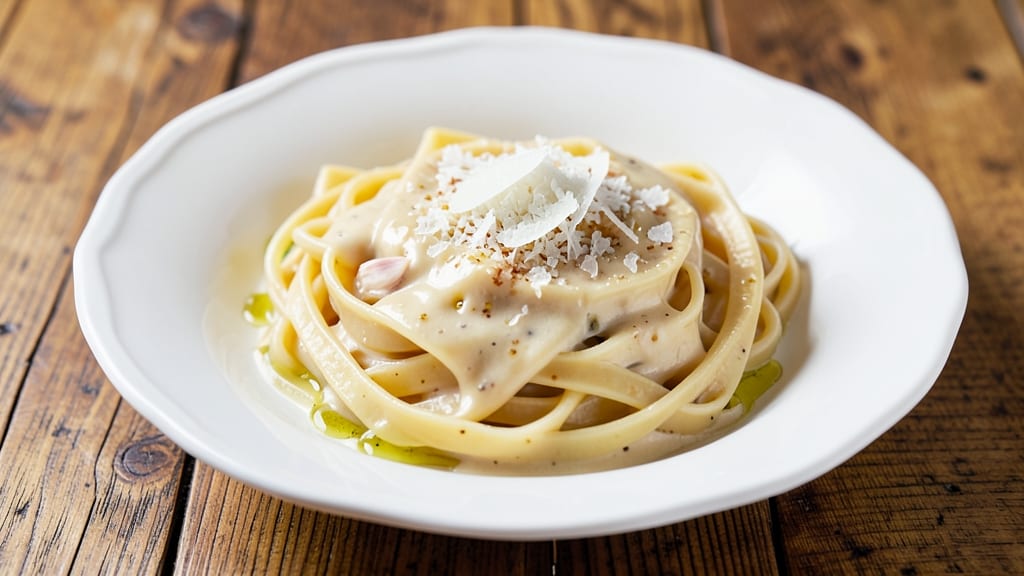
This Alfredo cheese sauce recipe delivers the ultra-smooth, velvety texture that turns ordinary pasta into a restaurant-worthy masterpiece. The secret lies in proper technique—melting butter slowly, whisking heavy cream to prevent lumps, and adding cheese gradually to create a sauce so rich it clings perfectly to every noodle.
I've perfected this method after years of testing, and the results speak for themselves.
The foundation of great Alfredo sauce starts with high-quality ingredients: unsalted butter for richness, heavy cream for body, and freshly grated Parmesan for authentic flavor. Garlic adds depth without overpowering, while a splash of pasta water ensures the sauce stays silky smooth even after coating your pasta.
This isn't just any sauce—it's the kind that makes you question why you ever bought store-bought versions.
By following this method, you'll achieve a sauce that's perfectly balanced—creamy yet not too heavy, flavorful yet not overpowering. The texture should be silky enough to coat pasta beautifully while remaining rich enough to satisfy even the most discerning palates.
No more clumpy, grainy Alfredo that falls apart at the first twirl of your fork.
Ready in just 15 minutes, this sauce works equally well as a pasta coating, dipping sauce for breadsticks, or even a creamy base for vegetables.
The best part? It reheats beautifully, making it perfect for meal prep. Let's create the perfect Alfredo sauce that will elevate every pasta dish you make.
Ingredients for alfredo cheese
Eight ingredients transform into the creamiest, most luxurious Alfredo sauce you've ever made.
| Ingredient | Amount | Notes |
|---|---|---|
| Unsalted Butter 🧈 | ¾ cup | Cold, cubed for even melting |
| Heavy Cream 🥛 | 1 ½ cups | Full-fat for maximum richness |
| Freshly Grated Parmesan Cheese 🧀 | 1 ½ cups | From a block, not pre-grated |
| Garlic Cloves 🧄 | 4 cloves | Minced, not powdered |
| Extra-Virgin Olive Oil 🫒 | 1 tbsp | For finishing, fruity variety |
| Pasta Water 💧 | ¼ cup | Reserved from cooking pasta |
| Diamond Crystal Kosher Salt 🧂 | ½ tsp | Adjust to taste |
| Freshly Ground Black Pepper 🌶️ | ¼ tsp | For finishing |
The butter is non-negotiable here—European-style unsalted melts smoother than American brands. I always grab mine from Whole Foods or Trader Joe's because they carry the good stuff. The Parmesan? Parmigiano-Reggiano from a wedge is a game-changer—pre-grated tastes like sawdust. For garlic, freshly minced (not powder) adds that restaurant-quality depth. Pro tip: Toast the minced garlic in the butter for 30 seconds before adding cream—this prevents bitterness and builds flavor.
No heavy cream? Full-fat coconut milk works in a pinch, though it won't be identical. Short on Parmesan? Pecorino Romano adds a sharper edge, or stretch it with nutritional yeast**> for a cheesy flavor without the dairy. The olive oil isn't just for flavor—it adds that final luxurious sheen. Want extra richness? Add 2 tbsp of cream cheese at the end. And yes, you can use salted butter—just reduce the kosher salt to 1/4 tsp. The pasta water is magic—it's starchy and helps the sauce cling.
This sauce reheats like a dream—just add a splash of milk or water to loosen it. Keeps in the fridge for 5 days in an airtight container, or freeze for 3 months in ice cube trays for single servings. For meal prep, double the recipe and store in glass jars—it stays silky smooth. The secret to restaurant-quality Alfredo? Low and slow heat—never boil, or you'll break the emulsion. Trust me, this sauce gets better the second day.
Why You'll Love This Recipe
- Here’s what sold me: the heavy cream and butter create this velvety, almost decadent base, but the garlic and olive oil keep it bright. It’s creamy but not heavy, salty but not overpowering—like a hug from a gourmet chef. (Yes, even on a Tuesday night.)
- I’ll be real: I make this too often because the leftovers taste better the next day. The Parmesan settles into the sauce, the flavors deepen, and reheating it takes all of 90 seconds. It’s my secret weapon for busy mornings or when I need to pretend I’m not eating dinner at 11 PM.
Step-by-step instructions for ultra-smooth Alfredo sauce
Here's how to create the creamiest, most luxurious alfredo sauce that clings perfectly to every strand of pasta.
Melt Butter and Infuse with Garlic
In a medium saucepan, melt the 0.75 cup unsalted butter over medium-low heat. I like to use cold, cubed butter so it melts gradually and doesn't burn. Once fully melted, add the 4 cloves minced garlic and stir constantly for 1-2 minutes until the garlic becomes fragrant but doesn't brown. The butter should bubble gently but not splatter—this is your signal it's ready for the next step.
Here's the thing—garlic burns faster than you think. Watch the pan closely and remove it from heat if it starts to take on any color. You want that sweet, nutty aroma without any bitterness creeping in. This aromatic base is the foundation of your sauce, so take your time with this step.
Gradually Add Cream and Cheese
Reduce the heat to low and slowly pour in the 1.5 cups heavy cream, whisking constantly to prevent scorching. Let the mixture simmer gently for 3-4 minutes until it begins to thicken slightly. This gradual warming is crucial—adding cold cream to hot butter can cause separation.
Now, sprinkle in the 1.5 cups freshly grated parmesan cheese in small batches, whisking vigorously after each addition. I've found that adding it all at once can create lumps that are nearly impossible to break down. The cheese should melt completely, creating a velvety texture. If you notice any graininess, strain the sauce through a fine-mesh sieve for absolute smoothness.
Season and Adjust Consistency
Add the 0.5 tsp diamond crystal kosher salt and 0.25 tsp freshly ground black pepper, stirring well to combine. Taste the sauce and adjust the seasoning if needed—remember, the pasta will absorb some of the flavor. The sauce should be rich and slightly tangy from the parmesan, with a subtle garlic presence.
If the sauce is too thick, whisk in 1-2 tablespoons of pasta water at a time until you reach your desired consistency. It should coat the back of a spoon but still pour smoothly. This is where having that reserved pasta water comes in handy—it's starchy and helps create that signature clingy texture without thinning the sauce too much.
Finish with Olive Oil for Luxurious Shine
Remove the sauce from heat and stir in the 1 tbsp extra-virgin olive oil. This final touch adds a beautiful sheen and balances the richness of the cream and cheese. The olive oil also helps prevent the sauce from breaking when combined with pasta. Let the sauce sit off heat for 2-3 minutes to thicken slightly—this resting period allows all the flavors to meld together.
For the perfect presentation, ladle the warm sauce over freshly cooked pasta and toss immediately. The residual heat will create that signature creamy coating that clings to every strand. If you're serving immediately, you can skip the final olive oil addition—just add it to the pasta before tossing with the sauce for that restaurant-quality finish.
Pro Tips For Making Alfredo Cheese
- Bloom the Garlic First: Toss 2 minced cloves into a cold pan with 1 tablespoon olive oil, then cook on low for 8-10 minutes until fragrant but not browned. I learned this the hard way—burnt garlic turns your creamy sauce bitter, and no one wants that. The slow method pulls out the sweetness without bitterness.
- Grate Parmesan Fresh: Skip the pre-grated stuff—it’s full of anti-caking agents that make your sauce grainy. Use a microplane or fine grater right before mixing, and aim for 2-3 cups per batch. My grandmother swore by this, and she was right: the cheese’s texture and flavor are completely different.
- Simmer on Low Heat: Once your butter and cream are combined, reduce to the lowest possible heat and let it bubble gently for 5-7 minutes. High heat curdles the cream faster than you can say “disaster.” Sounds weird, but it works: you’ll end up with a velvety sauce, not a scrambled mess.
- Salt the Butter: Toss in a pinch of salt (½ teaspoon) with the butter before melting—it seasons the sauce from the start. I skip this when I’m lazy, but the dish is noticeably better when I don’t. The salt dissolves into the fat, so you’re not left with clumpy seasoning later.
Wine and beer pairings for these flavors
Creamy White Wine Pairings
For your rich Alfredo sauce, I always reach for a dry Italian white wine like Pinot Grigio or Vermentino—their crisp acidity cuts through the creaminess beautifully. A glass of chilled Soave Classico from Veneto adds citrus notes that complement the garlic and Parmesan perfectly. 🍷
If you prefer something with more body, a Chardonnay from California's Sonoma Coast (like Kendall-Jackson Vintner's Reserve) works wonders. Look for unoaked or lightly oaked varieties to avoid overpowering the delicate sauce.
The key is balancing the sauce's richness with wines that have enough acidity to refresh your palate between bites.
Crisp Lager Complements
Don't underestimate the power of a crisp Italian lager—Peroni or Moretti are my go-to choices. Their subtle malt sweetness and effervescence cleanse the palate without competing with the sauce.
For a craft option, try a Belgian witbier like Hoegaarden, which adds a coriander-citrus note that pairs surprisingly well with the garlic and Parmesan. 🍺
Pro tip: Serve your beer slightly chilled (around 45°F) to enhance its crispness. The carbonation helps break through the sauce's richness, making each bite feel lighter. I always keep a cold one handy when serving Alfredo—it's a match made in flavor heaven.
Rich Red Options
While whites and lagers are classic, a light-bodied red like Chianti or Pinot Noir can work if you prefer red wine. Choose one with bright acidity and minimal tannins—Sangiovese-based Chiantis from Tuscany are perfect.
The wine's acidity will echo the sauce's tanginess while the red fruit notes complement the Parmesan's umami depth.
For a New World option, a Pinot Noir from Oregon's Willamette Valley (like Domaine Serene) offers similar elegance. Just avoid heavy, oaky reds—they'll clash with the sauce's delicate creaminess. The goal is harmony, not competition.
Non-Alcoholic Pairings
For a refreshing non-alcoholic option, try sparkling apple cider—its crispness and slight tartness mirror the wine pairings. I love Martinelli's Sparkling Apple Cider from Trader Joe's—it's affordable and always reliable. 🍎
Another great choice is sparkling water with a splash of lemon juice—the bubbles and citrus cut through the richness while keeping the meal light. For something more indulgent, a chilled cup of chamomile tea** (with a hint of honey) adds a soothing contrast to the creamy sauce's warmth.
Nutrition facts
Frequently asked questions
Why does my Alfredo sauce turn out grainy?
Graininess usually happens when cheese isn't melted properly or when it's added too quickly. Always grate your own Parmesan (not pre-shredded) and whisk it in gradually over low heat. For extra smoothness, strain through a fine-mesh sieve after cooking. The key is patience—rushing this step ruins the creamy texture!
Can I make Alfredo sauce without heavy cream? Yes! For a lighter version, substitute with half-and-half> or whole milk, though the texture will be thinner. For richness without dairy, try full-fat coconut milk>—it adds a subtle sweetness that works surprisingly well. Just
How do I prevent my sauce from breaking when adding pasta?
Sauce breaks when it gets too hot or when pasta water is added too quickly. Always toss pasta with sauce off the heat, and add pasta water 1 tablespoon at a time> while whisking constantly. The olive oil at the end also helps stabilize the emulsion. Pro tip: Use the starchy pasta water from cooking—it's the secret to that perfect clingy texture!
What's the best way to store leftover Alfredo sauce?
Store in an airtight container in the fridge for up to 5 days>, or freeze in ice cube trays for single servings (up to 3 months>). To reheat, warm gently over low heat and add a splash of milk or cream to restore smoothness. Never microwave—it causes the sauce to separate. For meal prep, double the recipe and store in glass jars for easy portioning!
Can I add other cheeses to Alfredo sauce?
For extra depth, mix in Pecorino Romano> (sharper flavor) or Gruyère> (nutty sweetness). For creaminess, add cream cheese> or fontina>. Just reduce the Parmesan by 1/4 cup> to balance flavors. The key is to grate all cheeses finely and add them gradually while whisking constantly.