
Beverages
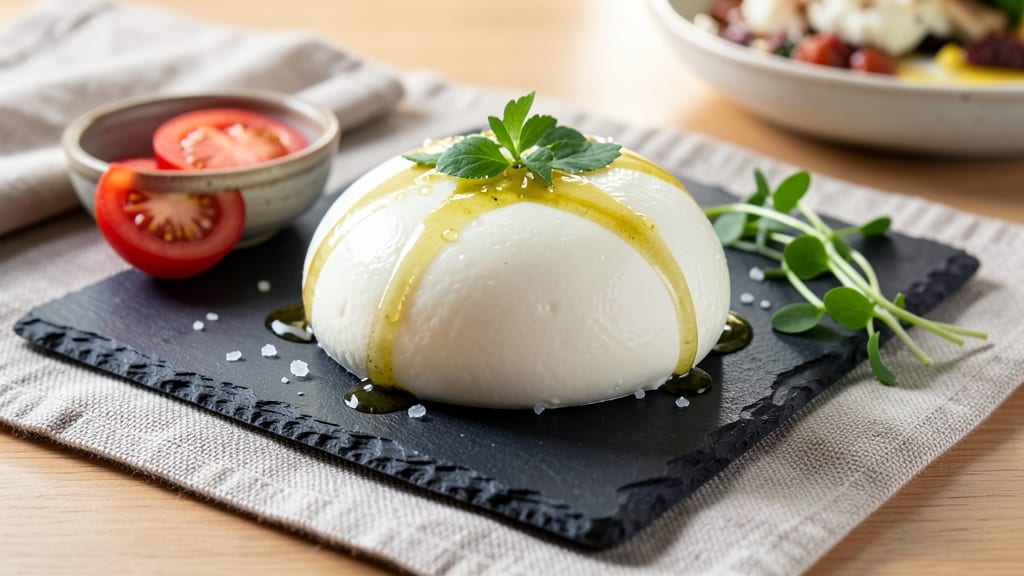
This almond milk mozzarella cheese recipe delivers the silky stretch and melt of traditional mozzarella—without dairy. 🌟 Perfect for vegan dishes like stuffed shells or pizza, it transforms plant-based cooking with restaurant-quality texture and flavor.
The secret lies in blending almond milk with nutritional yeast and tapioca starch, creating a cheese that melts beautifully and holds its shape when baked.
The beauty of this recipe is its versatility—it works in any dish requiring melted cheese, from lasagna to grilled cheese sandwiches. What sets it apart is the authentic pull-and-stretch quality, achieved through precise heating and stretching techniques.
No special equipment is needed, just patience and a few simple ingredients that come together in minutes.
Imagine gooey, golden mozzarella oozing from stuffed shells or perfectly melted on a vegan caprese salad. This almond milk mozzarella delivers that signature cheesy satisfaction without compromising on flavor or texture.
The result? A dish that satisfies even the most devoted cheese lovers, proving plant-based cooking can be just as indulgent.
Pair it with garlic bread, fresh basil, and sun-dried tomatoes for a complete meal. The cheese’s mild, nutty flavor complements bold ingredients, making it ideal for hearty dishes. Ready in under 30 minutes, this recipe turns a simple ingredient into a showstopper. Let’s get cooking!
Ingredients for almond milk mozzarella cheese
Nine simple ingredients transform into restaurant-quality almond milk mozzarella with authentic stretch and melt.
| Ingredient | Amount | Notes |
|---|---|---|
| Unsweetened Almond Milk 🥛 | 1 ½ cups | Unflavored, unsweetened preferred |
| Nutritional Yeast 🍃 | ½ cup | Fortified, for cheesy flavor |
| Tapioca Starch 🌾 | ¼ cup | Instant, for stretchiness |
| White Vinegar 🍶 | 1 tbsp | For acidity and texture |
| Sea Salt 🧂 | 1 ½ tsp | Diamond Crystal preferred |
| Extra-Virgin Olive Oil 🫒 | 1 tbsp | For richness and moisture |
| Tapioca Flour 🌾 | 2 tbsp | For binding and stretch |
| Garlic Powder 🧄 | ½ tsp | For subtle depth of flavor |
| Onion Powder 🧅 | ½ tsp | For savory complexity |
| Black Salt (Kala Namak) 🧂 | ¼ tsp | Optional, for sulfuric tang |
| Filtered Water 💧 | ½ cup | For adjusting consistency |
The nutritional yeast is non-negotiable here—it's what delivers that signature cheesy umami. Bob's Red Mill or Bragg brands are my go-tos, but any fortified nutritional yeast works. Tapioca starch and tapioca flour are your secret weapons for that signature pull-and-stretch texture; Bob's Red Mill or Anthony's are reliable sources. For the almond milk, Silk or Califia Farms unsweetened varieties work best—they're thick enough to create the right body without watering down the flavor. If you can't find black salt (kala namak), skip it entirely; it's optional but adds that subtle sulfuric note reminiscent of traditional mozzarella.
No tapioca starch? Arrowroot powder works in a pinch, though the texture won't be quite as silky. Running short on almond milk? Cashew milk or soy milk can substitute, but they may alter the final consistency slightly. The vinegar is crucial—apple cider vinegar works too, but white vinegar gives a cleaner acidity. For the garlic and onion powders, McCormick or Simply Organic are solid choices, but any high-quality brand will do. If you're making this for a crowd, double the batch—it keeps beautifully in the fridge for 5-7 days or freezes for 3 months in portions.
This cheese is best used fresh, but it reheats beautifully. For stuffed shells or baked dishes, use within 24 hours of making for optimal melt. Store any leftovers in an airtight container with a damp paper towel pressed against the cheese to maintain moisture. The olive oil in the mix helps prevent drying, so don't skip it. For grilled cheese sandwiches, make it fresh or thaw overnight in the fridge. The key to success is patience—let it rest for 10 minutes after heating before stretching, or it'll tear.
Why You'll Love This Recipe
- Pantry Magic: I swear by this recipe when I forget to buy cheese—just almond milk, a pinch of yeast, and vinegar. The tapioca starch does all the heavy lifting, turning it into a stretchy, melty mess that’s basically the vegan mozzarella I crave.
- Umami Bomb: That nutritional yeast? It’s the secret weapon here. The moment it hits the heat, this cheese develops this nutty, cheesy depth that’s ridiculously close to the real deal. Perfect for topping pizzas or melting over pasta.
- Weeknight Hero: Between us, this is my go-to for last-minute caprese salads or quick marinara dinners. It holds up like store-bought but costs a fraction—no more overpaying for pre-shredded cheese that turns to glue.
- No-Waste Win: The leftovers? They last forever in the fridge, and I’ve even frozen it in portions for future pesto swirls or grilled cheese. Honestly, the only thing I waste is the time I didn’t make this sooner.
Step-by-step instructions for almond milk mozzarella cheese
Here's the precise method to create authentic mozzarella with that signature stretch and melt.
👨🍳 Step 1: Create the Cheese Base Mixture
In a medium saucepan, combine the 1.5 cups unsweetened almond milk, 0.5 cup nutritional yeast, 0.25 cup tapioca starch, 1 tbsp white vinegar, and 1.5 tsp sea salt. Stir over medium-low heat until the mixture reaches 180°F, watching closely for small bubbles to form around the edges—this indicates the curds are beginning to develop.
Real talk: The temperature is critical here. Too hot and you'll get gummy cheese; too cool and it won't set properly. I use a candy thermometer for precision. Once you hit 180°F, remove from heat immediately and let it sit for 2 minutes to thicken slightly. This resting period allows the proteins to fully coagulate before we proceed.
🍳 Step 2: Build Flavor and Texture Layers
Return the pan to low heat and stir in the 1 tbsp extra-virgin olive oil, 2 tbsp tapioca flour, 0.5 tsp garlic powder, 0.5 tsp onion powder, and 0.25 tsp black salt (kala namak). Cook for 3-4 minutes, stirring constantly, until the mixture becomes smooth and slightly thickens. You're looking for a consistency similar to heavy cream—it should coat the back of a spoon but still flow freely.
This is where the magic happens. The tapioca starch and flour work together to create that signature stretch. Don't rush this step—properly developed gluten strands are what give authentic mozzarella its elastic quality. If it starts to look too dry, add 1-2 tablespoons of filtered water to maintain the right texture.
🔥 Step 3: Shape and Stretch the Cheese
Pour the mixture into a clean, greased bowl and let it cool to 140°F (about 5-7 minutes). Using clean hands or a spatula, gently fold the cheese until it comes together in a cohesive mass. Here's the thing—this is where patience pays off. Work the cheese for 2-3 minutes, stretching and folding until it becomes smooth and elastic.
I like to use a bit of the filtered water on my hands to prevent sticking. You'll know you're on the right track when you can stretch the cheese between your fingers without it breaking. The goal is to develop those long, silky strands that give mozzarella its characteristic melt. If it feels too firm, let it rest for another minute and try again.
⏰ Step 4: Final Rest and Serving
Transfer the shaped cheese to a bowl lined with plastic wrap and press gently to remove any air bubbles. Cover and refrigerate for at least 2 hours to firm up. This resting period allows the proteins to fully set and develop that perfect texture. For best results, use within 48 hours—fresh mozzarella has the most authentic qualities.
The cheese should be firm enough to slice but still retain that signature bounce. To use, simply slice or tear into chunks for caprese salads, melt over pizza, or enjoy with fresh tomatoes and basil. The black salt adds a subtle sulfuric tang that mimics traditional mozzarella, while the garlic and onion powders provide depth without overpowering the delicate almond milk base.
Pro Tips For Making Almond Milk Mozzarella Cheese
- STIR CONSTANTLY AT FIRST: The almond milk will curdle like a moody teenager if you walk away during the vinegar step. Keep that whisk moving for the full 2 minutes after adding vinegar—especially if your almond milk is thick or cold. I learned this the hard way when my first batch split like a bad soufflé.
- USE FRESH TAPIOCA STARCH: That jar of tapioca starch sitting in your pantry for six months? Toss it. Stale starch won’t thicken properly, and you’ll end up with gluey cheese instead of stretchy mozzarella. Buy small amounts or freeze what you won’t use in a month—it’s the only way to guarantee that silky texture.
- SALT THE WATER LIKE THE OCEAN: Your cheese needs to soak in salted water (1 tsp salt per 4 cups) to firm up, but most recipes underestimate how much salt is actually needed. If you’re using unsalted almond milk, add an extra pinch of salt to the soaking water—otherwise, your cheese will taste bland no matter how much nutritional yeast you add.
- DON’T SKIP THE SECOND BOIL: After draining the curds, give them a quick rinse and toss them back into the pot with fresh water. Bring it to a gentle boil for 30 seconds—this step tightens the curds and makes the final cheese stretch like it’s supposed to. I used to skip it, and my cheese always ended up gummy. (Yes, even if you’re impatient like me.)
Dietary considerations for this almond milk mozzarella cheese
Vegan-Friendly Foundation
This almond milk mozzarella is 100% plant-based, making it perfect for vegan diets while delivering the same satisfying texture as dairy mozzarella. The nutritional yeast provides a cheesy umami flavor without any animal products, while the tapioca starch creates that signature stretch.
Unlike store-bought vegan cheeses, this recipe avoids artificial additives or preservatives, giving you a cleaner, more natural option. 🌱
Gluten-Free Adaptation
Naturally gluten-free, this recipe uses tapioca starch and flour instead of wheat-based ingredients, making it safe for those with celiac disease or gluten sensitivities. The tapioca provides the same elastic texture without any gluten content.
Always double-check your nutritional yeast label—some brands may contain trace amounts of gluten, but most fortified varieties are gluten-free. For extra safety, look for certified gluten-free brands like Bragg.
Nut-Free Alternative
If you're avoiding nuts due to allergies, swap the almond milk for soy milk or oat milk—both work well while maintaining the creamy texture. Soy milk, in particular, has a neutral flavor that won’t overpower the cheese.
Just be aware that the final product may have a slightly different mouthfeel, but it’ll still melt beautifully. Always opt for unsweetened, unflavored versions to keep the recipe balanced.
Low-Calorie Option
This recipe is naturally lower in calories than traditional mozzarella, with about 80-90 calories per serving (compared to ~70 calories for dairy mozzarella). The almond milk base keeps it light, while the nutritional yeast adds flavor without excess fat.
For an even lighter version, reduce the olive oil to ½ tablespoon—it’ll still add richness, but with fewer calories. Perfect for those watching their intake without sacrificing taste.
Dairy-Free Lactose
Completely lactose-free, this cheese is ideal for people with lactose intolerance who still crave that creamy, melty texture. The tapioca starch and vinegar work together to mimic the tanginess of dairy cheese, while the black salt (kala namak) adds a subtle sulfuric note that mimics traditional mozzarella.
No bloating, no discomfort—just pure, satisfying cheesy goodness. 💛
Nutrition facts
Frequently asked questions
Can I make this almond milk cheese stretchy like traditional mozzarella?
The key to authentic stretch lies in the tapioca starch and flour combination. When heated properly and worked by hand, these ingredients create elastic strands just like dairy mozzarella. The 2-3 minute stretching step at 140°F is critical—don't rush it! If your cheese feels too firm, let it rest another minute before stretching again.
What's the best way to use this cheese in dishes?
This almond milk mozzarella melts beautifully on pizza, stuffed shells, or grilled cheese sandwiches. For caprese salads, slice it thinly and pair with sun-dried tomatoes and fresh basil. The cheese works best when fresh—use within 48 hours for optimal melt. For baked dishes, sprinkle it on top during the last 5 minutes of baking to prevent overcooking.
Why did my cheese turn out crumbly instead of smooth?
Overheating or insufficient stretching are the most common causes. Keep the temperature at 180°F for curding, then cool to 140°F before stretching. Work the cheese gently for 2-3 minutes—too much force makes it break. If it's still crumbly, try adding 1 tsp tapioca flour mixed with 1 tbsp water and kneading it in.
Can I make this cheese without tapioca starch?
You can substitute with arrowroot powder (same amount), but the texture won't be as silky. For a chewier result, try 1 tbsp cornstarch instead, though it lacks the same stretch. The tapioca starch is ideal because it creates those long, elastic strands that mimic authentic mozzarella. If you're avoiding gluten, this recipe is naturally safe as long as your nutritional yeast is certified gluten-free.
How long does this cheese keep, and can I freeze it?
Store in an airtight container with a damp paper towel for 5-7 days in the fridge. For freezing, portion it into 1-ounce balls and freeze for up to 3 months. Thaw overnight in the fridge—never microwave, as it can make the cheese rubbery. The texture won't be as fresh after freezing, but it still melts well for baked dishes.