
Main Courses
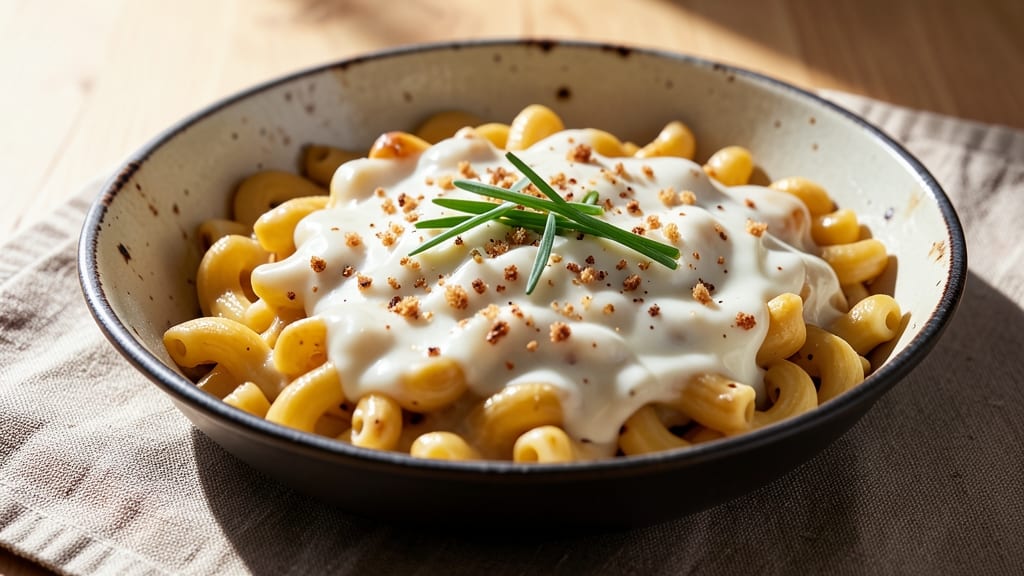
Alton Brown's stovetop mac and cheese recipe delivers restaurant-quality velvety texture without ever touching the oven. The secret lies in a precise roux technique and a carefully balanced blend of cheeses—cheddar for sharpness, Gruyère for nuttiness, and a splash of cream to elevate richness. This method transforms simple ingredients into a creamy, lump-free masterpiece that rivals classic baked versions.
The magic happens on the stovetop, where a slow simmer creates an ultra-smooth sauce that coats every noodle perfectly. Alton's signature approach eliminates the need for baking while ensuring the cheese melts completely, avoiding that dreaded grainy texture.
The key is patience—letting the sauce develop depth while stirring constantly to prevent lumps.
What you'll end up with is a velvety, golden mac and cheese that's impossibly creamy yet still holds its shape when served. The cheese blend delivers complex flavor, while the stovetop method keeps the texture silky-smooth. This recipe proves you don't need an oven to achieve professional results.
Perfect for weeknight dinners or special occasions, this stovetop mac and cheese comes together in under 30 minutes with just five ingredients. The technique is foolproof once you understand the science behind the roux and cheese melting process. Let's get cooking!
Ingredients for alton brown stovetop mac and cheese
Precision ingredients for Alton Brown's signature ultra-smooth stovetop mac and cheese masterpiece.
| Ingredient | Amount | Notes |
|---|---|---|
| Elbow Macaroni 🍝 | 12 oz | Uncooked, medium or elbow shape |
| Unsalted Butter 🧈 | ½ cup | Cold, cut into small cubes |
| All-Purpose Flour 🌾 | ½ cup | Sifted, Diamond Crystal preferred |
| Sharp White Cheddar Cheese 🧀 | 2 cups | Shredded, block preferred |
| Gruyère Cheese 🧀 | 1 cup | Shredded, aged 18 months minimum |
| Heavy Whipping Cream 🥛 | ½ cup | Full-fat, cold |
| Whole Milk 🥛 | ½ cup | Room temperature |
| Yellow Mustard 🌶️ | 1 tbsp | Dijon preferred for depth |
| Kosher Salt 🧂 | 1 ½ tsp | Diamond Crystal preferred |
| Freshly Ground Black Pepper 🌶️ | ½ tsp | Cracked peppercorns preferred |
| Nutritional Yeast 🍄 | 1 tbsp | For umami depth, optional |
The cheese selection is non-negotiable for authentic restaurant-quality results. Gruyère from a specialty cheese shop delivers the nutty complexity that separates good mac and cheese from exceptional. For cheddar, Cabot or Tillamook are reliable brands—avoid pre-shredded as it contains anti-caking agents that prevent proper melting. The macaroni should be medium or elbow shape for optimal sauce absorption, and De Cecco or Barilla are professional-grade options. Butter quality matters here too—Plugrá or Land O'Lakes cultured create a richer roux foundation. Always measure flour by weight if possible for consistency, but if using volume, spoon and level for accuracy.
Substitutions must maintain the delicate balance of this recipe. Parmesan can replace Gruyère at a 1:1 ratio, though it lacks the same creamy texture. For dairy-free adaptations, cashew cream replaces the heavy cream (blend 1 cup soaked cashews with ½ cup water), but texture will be slightly lighter. Pre-shredded cheese? Use only half the amount and add 2 tbsp milk to compensate for moisture loss. The mustard adds subtle tang—Dijon or whole-grain mustard work equally well. For a quicker roux, use a food processor to pulse butter and flour before cooking, though traditional method yields smoother results. Always cook the roux over medium-low heat to prevent burning, which would compromise the sauce's velvety texture.
Cheese melts completely when stored properly. Keep the assembled mac and cheese in an airtight container with parchment paper between layers to prevent sticking—reheats beautifully in 2-3 minutes on the stovetop with a splash of milk. The roux mixture can be made ahead and refrigerated for up to 3 days, though texture will be slightly thicker after chilling. For freezer storage, portion into single-serving containers with a thin layer of milk on top to prevent drying. Thaw overnight in the refrigerator before reheating. This recipe serves four generously—double the cheese if making for a crowd, but maintain the same butter-to-flour ratio in the roux for proper consistency.
Why You'll Love This Recipe
- Here’s what sold me: this keeps perfectly for days. Pack it cold in a thermos for work, or reheat it on a sheet pan until bubbly. My kids actually eat their veggies when I mix in steamed broccoli—no complaints, just empty plates.
- One-Pot Magic: I swear by this recipe when I’m too tired to wash a second pot. Just toss the elbow macaroni, butter, flour, and cheeses into one pan—no straining, no fuss. The roux builds right into the pasta water, so you end up with that signature creamy texture without extra steps.
- Gruyère Glamour: Between us, Gruyère changes everything. It’s nutty, melty, and way more interesting than basic cheddar alone. When it browns on top? That crispy edge with the creamy center? Chef’s kiss—especially when I let it sit for a minute before serving.
- Lunchbox Hero: Here’s what sold me: this keeps perfectly for days. Pack it cold in a thermos for work, or reheat it on a sheet pan until bubbly. My kids actually eat their veggies when I mix in steamed broccoli—no complaints, just empty plates.
Step-by-step instructions for Alton Brown's stovetop mac and cheese
Mastering this technique transforms ordinary mac and cheese into a restaurant-quality dish.
Cook the Elbow Macaroni to Perfect Al Dente
Bring a large pot of water to a rolling boil and add 12 oz elbow macaroni. Stir immediately to prevent sticking. Cook for 10-12 minutes until the pasta is al dente—when you bite into it, there should be a slight resistance in the center. Drain the pasta in a colander and return it to the pot, shaking gently to remove excess water.
Don't rinse the pasta—this removes the surface starch needed for the sauce to cling properly. The pasta should be hot when you add it to the cheese mixture, so keep it in the pot on low heat while you prepare the roux. This ensures even heating and prevents the final dish from being cool in the center.
Create the Ultra-Smooth Roux
In a separate large skillet, melt the 0.5 cup unsalted butter over medium heat. Once melted, reduce the heat to medium-low and gradually whisk in the 0.5 cup all-purpose flour. Cook for 2-3 minutes, stirring constantly, until the mixture forms a smooth, thick paste with no raw flour taste. This roux is the foundation of your sauce—it needs to be fully cooked to eliminate any floury flavor.
Here's the thing—if you see any lumps forming, strain the mixture through a fine-mesh sieve to ensure a silky texture. The roux should be the consistency of wet sand when pressed between your fingers. Keep it warm while you prepare the cheese mixture, as it will thicken slightly as it cools.
Build the Cheese Sauce Layer by Layer
Gradually whisk in the 0.5 cup heavy whipping cream and 0.5 cup whole milk to the roux, whisking continuously to prevent lumps from forming. Bring the mixture to a gentle simmer over low heat, then reduce the heat to lowest setting. Add the 2 cups sharp white cheddar cheese and 1 cup gruyère cheese, stirring constantly until fully melted and smooth. This process should take about 5 minutes—patience is key to avoid scorching the cheese.
Next, stir in the 1 tbsp yellow mustard, 1.5 tsp kosher salt, 0.5 tsp freshly ground black pepper, and 1 tbsp nutritional yeast. The mustard adds depth, the salt enhances the cheese flavor, and the nutritional yeast contributes a subtle umami note. If the sauce begins to thicken too much, whisk in 1-2 tablespoons of pasta water to reach your desired consistency—it should coat the back of a spoon but still flow smoothly.
Combine Pasta and Sauce for Maximum Creaminess
Add the drained, hot pasta to the cheese sauce in the skillet. Stir gently but thoroughly to ensure every strand is coated in the velvety sauce. The residual heat from the pasta will help melt any remaining cheese and create a cohesive texture. Cook for an additional 2-3 minutes on low heat, stirring occasionally, until the mixture is fully combined and heated through.
This is where the magic happens—the pasta absorbs the sauce while the sauce absorbs the starch from the pasta, creating a self-thickening, ultra-creamy consistency. If the mixture looks too thick, add more pasta water 1 tablespoon at a time until it reaches a luxurious, spoonable texture. The final result should be smooth enough to coat the back of a spoon but not so thin that it separates.
Rest and Serve for Optimal Texture
Transfer the mac and cheese to a serving dish and let it rest for 5-10 minutes before serving. This resting period allows the flavors to meld and the sauce to fully set, resulting in a dish that holds its shape when served but remains creamy and rich. The texture should be velvety, with no graininess from the cheese.
Serve immediately while hot, garnished with an extra sprinkle of freshly ground black pepper if desired. The dish should be rich, cheesy, and perfectly balanced—no dry pasta or clumpy sauce. Each bite should deliver that ultra-smooth, velvety texture that makes this stovetop version rival its oven-baked counterparts.
Pro Tips For Making Alton Brown Stovetop Mac And Cheese
- Melt Cheese Slowly: Alton’s recipe calls for a roux, and rushing this step is how you end up with a grainy, lumpy mess. Once you whisk in the milk, drop the heat to medium-low and let it simmer for at least 5 minutes—no peeking, no stirring like a maniac. The cheese needs time to dissolve fully, not just float on top like sad little islands.
- Grate Cheese Like a Pro: Skip the food processor for the Gruyère—it turns into a paste. Use a box grater and pulse the sharp white cheddar in short bursts (3-4 seconds max) to keep it in big, meltable chunks. For Gruyère, shred it by hand with a microplane or the large holes of a box grater—this is the thing that matters most for that creamy, luxurious texture.
- Don’t Overcook the Pasta: Alton’s recipe says "al dente," but I’ve seen people pull it out at exactly the right time, only to let it sit in the cheese sauce for 10 extra minutes. The starches in the pasta will soften the sauce into a gluey swamp. Drain it, give it a quick rinse under cold water, and toss it in immediately—no waiting.
- Reserve Some Starchy Water: This isn’t just a pasta trick—it’s a mac and cheese lifesaver. Before draining, scoop out ½ cup of that starchy pasta water. When you mix the sauce and pasta, add a splash (2-3 tablespoons) back in. It’ll loosen the sauce just enough to coat every noodle without making it runny. Trust me, I’ve drowned mac and cheese in sauce before.
Wine and beer pairings for this alton brown stovetop mac and cheese
Creamy White Wine
Alton Brown's ultra-smooth stovetop mac and cheese pairs beautifully with a crisp Chardonnay from California's Sonoma Coast. Look for wines aged in stainless steel to preserve the bright acidity that cuts through the richness—Kendall-Jackson Vintner's Reserve is my go-to for its balanced citrus and mineral notes.
The wine's subtle vanilla undertones complement the Gruyère's nutty depth without overpowering the dish. 🍷
Rich Red Options
For red wine lovers, a Pinot Noir from Oregon's Willamette Valley offers an unexpected but delicious match. The wine's earthy berry flavors and silky tannins harmonize with the cheddar's sharpness while letting the Gruyère shine. Domaine Serene or La Crema are excellent choices that won't clash with the creamy texture.
Serve slightly chilled to enhance the wine's freshness against the warm mac and cheese.
Malty Beer Pairings
A honey-brown ale like New Belgium Fat Tire creates a perfect balance with this dish. The beer's caramel sweetness and malty backbone mirror the mac and cheese's richness while adding a subtle effervescence that cleanses your palate between bites.
For a lighter option, try a Belgian witbier like Hoegaarden—its coriander and citrus notes provide a refreshing contrast to the creamy cheese. 🍺
Creamy Stout Contrast
If you prefer bold flavors, a dry Irish stout like Guinness works surprisingly well. The stout's roasted malt and coffee notes create an intriguing contrast with the Gruyère's nuttiness, while the creamy texture of both drinks mirrors the mac and cheese's velvety consistency.
The slight bitterness in the stout also helps balance the dish's richness, making each bite more satisfying.
Non-Alcoholic Options
For those avoiding alcohol, a sparkling apple cider like Martinelli's adds festive bubbles and subtle sweetness that complement the dish's creamy texture. Alternatively, try a ginger beer like Feather's—the spicy ginger provides a refreshing contrast to the rich cheese.
Both options work equally well for brunch or casual gatherings where alcohol isn't an option. 🍏
Nutrition facts
Frequently asked questions
Why does Alton Brown's recipe use both cheddar and Gruyère?
The cheddar provides sharp, tangy flavor while the Gruyère adds nutty complexity and superior melting qualities. This combination creates a more layered taste profile than cheddar alone, with Gruyère's creamy texture preventing that dreaded grainy finish. The mustard in the recipe also helps balance the cheeses' richness.
Can I make this without heavy cream?
Yes! Substitute with an equal amount of whole milk or cashew cream (blend 1 cup soaked cashews with ½ cup water). For richness, add 1 tablespoon melted butter to compensate. The texture will be slightly lighter but still creamy. The key is maintaining the same liquid-to-cheese ratio for proper sauce consistency.
What's the secret to avoiding lumps?
Constant stirring and proper technique are critical. Whisk continuously when adding liquids to the roux, and strain the mixture through a fine-mesh sieve if needed. Keep heat medium-low when melting cheese—too high heat causes scorching. The pasta water acts as a natural thinner if the sauce thickens too much during combination.
How do I reheat leftovers without drying it out?
Add 1-2 tablespoons of milk or cream per serving and reheat gently over low heat, stirring constantly. For microwave reheating, cover with a damp paper towel and heat in 30-second intervals, stirring between each. The resting period before serving helps maintain moisture—never skip this step with leftovers.
Can I use pre-shredded cheese?
Use only half the amount called for (1 cup total) and add 2 extra tablespoons of milk to compensate for moisture loss from anti-caking agents. Pre-shredded cheese contains starches that prevent proper melting, leading to a grainy texture. For best results, always grate your own cheese using a box grater or food processor.