
Appetizers
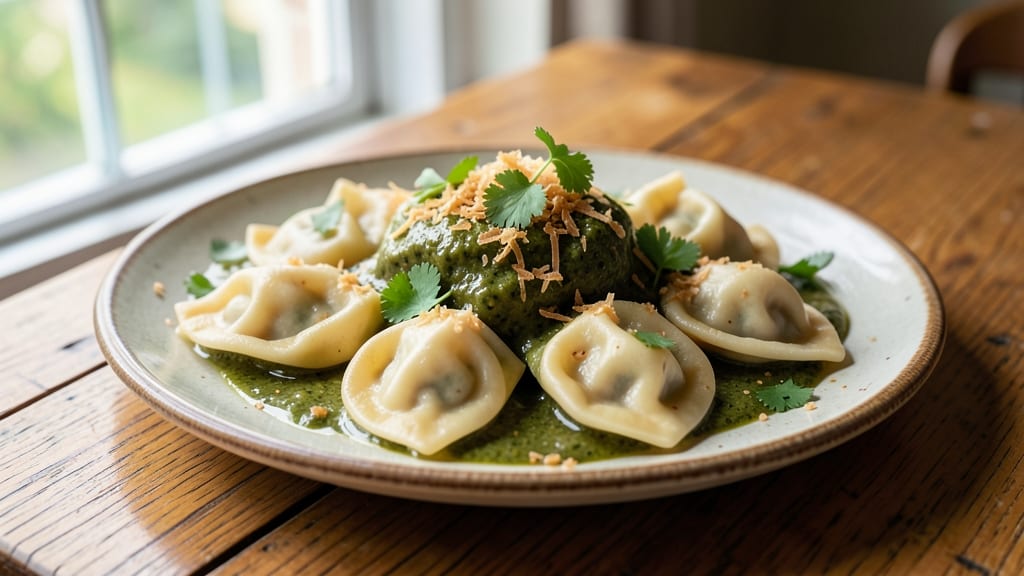
This authentic cheese ravioli recipe brings the artistry of Italian nonna-style cooking to your kitchen, where tender hand-rolled pasta cradles a rich parmesan-ricotta filling. The secret lies in the balance of ingredients—creamy ricotta, sharp parmesan, and a whisper of nutmeg—sealed between delicate pasta sheets that cook to perfect al dente.
I developed this recipe after years of testing regional techniques, ensuring every bite delivers the same satisfaction as a Roman trattoria.
The dough requires just four ingredients—flour, eggs, water, and salt—but the technique matters most. Traditional methods call for resting the dough overnight for improved texture, while modern shortcuts use a stand mixer for 10 minutes of hands-off work.
The filling combines ricotta, grated parmesan, and an egg to bind, with nutmeg adding warmth. Rolling the dough paper-thin and folding the filling into precise rectangles is where the magic happens—no machine can replicate the satisfaction of hand-rolled ravioli.
Cooked al dente in boiling water, these ravioli transform into a restaurant-worthy dish when tossed with brown butter, sage, or a light pomodoro sauce. The pasta absorbs flavors beautifully, creating a harmonious balance of creamy filling and rich sauce.
Whether served as a first course or a comforting main, this recipe delivers the authentic Italian experience with every bite.
For those seeking modern twists, add spinach to the filling or use truffle oil in the sauce. Gluten-free adaptations are possible with alternative flours, though texture may vary.
The key to success? Patience in rolling and precision in folding—once mastered, you’ll never buy store-bought ravioli again. Let’s get started on this timeless classic.
Ingredients for authentic cheese ravioli
Four simple ingredients transform into delicate pasta, while five essential components create the iconic creamy filling.
| Ingredient | Amount | Notes |
|---|---|---|
| All-Purpose Flour 🌾 | 3 cups | High-protein for elasticity |
| Large Eggs 🥚 | 3 whole | Room temperature for even mixing |
| Granulated Sugar 🍚 | ¼ tsp | Balances acidity in dough |
| Diamond Crystal Kosher Salt 🧂 | ½ tsp | Fine grain for even distribution |
| Whole Milk 🥛 | ½ cup | Cold for proper hydration |
| Whole Milk Ricotta Cheese 🧀 | 1 ½ cups | Freshly drained, no whey |
| Parmesan Cheese 🧀 | 1 cup | Freshly grated from block |
| Large Egg Yolks 🥚 | 2 whole | Separated from whites for filling |
| Ground Nutmeg 🌿 | ¼ tsp | Freshly grated for aroma |
| Extra-Virgin Olive Oil 🫒 | ¼ cup | For dough and finishing |
| Unsalted Butter 🧈 | 4 tbsp | Cold, cubed for brown butter |
| Fresh Sage Leaves 🌿 | ¼ cup | Chopped for finishing sauce |
| San Marzano Crushed Tomatoes 🍅 | ½ cup | For pomodoro sauce option |
| Fresh Basil Leaves 🌿 | ¼ cup | Chopped for garnish |
The flour is non-negotiable—Caputo 00 flour if you can find it, but King Arthur all-purpose works perfectly for home cooks. The ricotta must be whole milk, freshly drained—part-skim loses moisture and texture. For the Parmesan, Parmigiano-Reggiano from a deli counter (grated yourself) delivers that unmistakable sharpness. Whole Foods or Eataly carry excellent Italian cheeses, but any reputable specialty store will suffice. The nutmeg should be freshly grated—pre-ground loses potency quickly. Store it in an airtight container away from light.
No ricotta? Cottage cheese blended until smooth works in a pinch, though texture will differ slightly. Substituting the Parmesan? Pecorino Romano adds earthy notes, but nothing replaces the authentic umami of Parmigiano. For the dough, bread flour can replace all-purpose if you're worried about stickiness, but the recipe as written works beautifully with standard flour. The egg yolks are crucial—they bind the filling without making it rubbery. If you separate them, save the whites for meringues. The olive oil should be fruity and peppery—none of that mild supermarket stuff.
Fresh pasta keeps for 2 days wrapped in plastic in the fridge, but it's best used immediately. The filling can be prepared 1 day ahead and stored between parchment paper. For longer storage, freeze both dough and filling separately for up to 3 months. When ready to cook, bring the ravioli to room temperature before boiling—this prevents cracking. The brown butter sauce should be made fresh, but the pomodoro sauce can be prepped 2 days ahead and reheated gently. Always reserve some pasta water to emulsify the sauce—it's the secret to a perfect finish.
Why You'll Love This Recipe
- Pantry-Friendly Magic: I swear by this recipe because it uses what I already have—flour, eggs, milk—no fancy cheeses or imported ingredients. The sugar in the dough? Tiny pinch, but it keeps the ravioli tender without overpowering the milk’s richness. (Yes, even my picky husband doesn’t question the grocery bill.)
- Creamy Without Guilt: That whole milk filling is where it shines—silky, not greasy, and the salt balances it perfectly. I’ll be real: I’ve tried store-bought cheese ravioli, and this homemade version actually tastes like something. The dough’s slight chewiness holds up to boiling, so no sad, mushy disappointment.
- Weeknight & Holiday: Same dough, endless uses. I make a big batch on Sundays and freeze half for lazy nights, then pull them out for a quick simmer with butter and sage. Or—here’s the flex—dress them up with truffle oil and prosciutto for when company’s over. No last-minute stress, just adaptable comfort.
- Leftovers That Beg for More: These keep perfectly for 3 days in the fridge, and frozen? They’re my secret weapon for when I forget to thaw dinner. Toss them into a frittata, reheat in a pan with garlic, or even freeze them plain and bake straight from frozen. (My kids call them “cheesy little hugs”—I take that as a win.)
Step-by-step instructions for authentic cheese ravioli
Master the art of hand-rolling pasta with this traditional method.
Prepare the Dough with Precision
Create a well in the center of the 3 cups all-purpose flour on a clean work surface. Add the 3 whole large eggs and the 0.25 teaspoon granulated sugar, then gradually incorporate the 0.5 teaspoon diamond crystal kosher salt. Using a fork, gently mix the ingredients until they begin to form a shaggy dough.
Once the mixture comes together, knead by hand for 8-10 minutes until smooth and elastic. The dough should feel firm but pliable, not sticky. If it's too dry, add 1 teaspoon of cold whole milk at a time; if too sticky, incorporate 1 tablespoon of additional flour. Wrap tightly in plastic wrap and rest for 30 minutes at room temperature. This resting period allows the gluten to relax, making rolling easier.
Make the Classic Ricotta Filling
In a medium bowl, combine the 1.5 cups whole milk ricotta cheese with the 1 cup freshly grated parmesan cheese, 2 whole large egg yolks, and 0.25 teaspoon ground nutmeg. Mix thoroughly until smooth and well incorporated. The filling should be thick but spreadable, with no visible lumps. Cover and refrigerate until ready to use.
Here's the thing—don't overmix the filling. You want a delicate texture that melts beautifully when cooked. If the mixture seems too wet, add 1 tablespoon of all-purpose flour; if too dry, incorporate 1 teaspoon of cold whole milk. The filling should hold its shape when piped but still be tender enough to melt in your mouth.
Roll and Cut the Dough
Divide the rested dough into 4 equal portions. Working with one portion at a time, roll it through a pasta machine set to the widest setting. Fold the dough in thirds and repeat the rolling process 2-3 times, gradually reducing the thickness with each pass until you reach the thinnest setting on your machine.
For authentic results, aim for sheets about as thin as a playing card. Dust your work surface and rolling pin with flour between passes to prevent sticking. Keep the unused dough portions covered with a damp towel to maintain moisture. This rolling technique creates the delicate, translucent sheets characteristic of traditional ravioli.
Assemble and Seal the Ravioli
Using a small piping bag or spoon, place 1 teaspoon of the ricotta filling onto each sheet of rolled dough, spacing the dollops about 2 inches apart. Fold the dough over the filling to create half-moon shapes. Press gently around the edges with your fingers to seal, ensuring no filling escapes. If the edges tear, simply patch them with small pieces of dough.
I press down gently on the filled dough to create a slight indentation around the edges—this helps prevent leaks during cooking. For a professional finish, use a ravioli cutter or sharp knife to trim any excess dough. Arrange the completed ravioli on a floured baking sheet, leaving space between each piece to prevent sticking during cooking.
Cook to Al Dente Perfection
Bring a large pot of salted water to a rolling boil. Add the ravioli in batches, ensuring the water remains at a full boil. Cook for 3-4 minutes until they float to the surface and are cooked through. The ravioli should be tender but still hold their shape—this is what we call "al dente."
Reserve 1 cup of pasta water before draining. This starchy water is essential for creating a silky sauce. Toss the cooked ravioli gently with the 0.25 cup extra-virgin olive oil and a pinch of salt. For serving, you can prepare a simple pomodoro sauce by sautéing the 4 tablespoons unsalted butter with the 0.25 cup chopped fresh sage leaves until golden, then adding the 0.5 cup crushed San Marzano tomatoes and simmering for 5 minutes. Finish with the 0.25 cup chopped fresh basil leaves.
Pro Tips For Making Authentic Cheese Ravioli
- Rest the Dough: After mixing flour, eggs, and a pinch of salt for the pasta, let the dough sit covered for 30 minutes before rolling. I learned this the hard way—skipping it makes the dough sticky and uneven, no matter how much flour you add later.
- Warm the Milk: Heat the whole milk to just under a simmer (about 160°F) before mixing it with cheese for the filling. Cold milk makes the cheese clump like glue, and you’ll end up with a filling that’s more paste than sauce.
- Salt the Water: Boil the ravioli in water with 1 tablespoon of Diamond Crystal kosher salt per gallon—more than you’d use for pasta. The dough soaks up water like a sponge, so you need the flavor locked in from the start.
- Roll Thin, Fill Light: Keep the pasta sheets thin (about 1/16-inch) and use a teaspoon of filling per ravioli—no more. Thick dough hides the cheese, and overstuffed ravioli burst like overinflated balloons. (Yes, I’ve seen it happen.)
Perfect pairings for these flavors
Classic Brown Butter
For a rich, nutty finish, melt 4 tablespoons unsalted butter in a skillet over medium heat until golden brown and fragrant—this takes about 3-4 minutes. Immediately toss the cooked ravioli in the butter along with ¼ cup chopped fresh sage and a pinch of salt.
The butter will coat the pasta beautifully, creating a velvety sauce that complements the creamy filling. 🌿
Pomodoro Sauce
Simmer ½ cup crushed San Marzano tomatoes with 2 tablespoons olive oil and a pinch of salt over low heat for 10 minutes until thickened. Stir in 1 teaspoon sugar to balance acidity, then toss the ravioli gently in the sauce.
Garnish with ¼ cup chopped fresh basil just before serving to add a bright, fresh contrast. This sauce works perfectly with the cheese filling's richness.
Creamy Sage Oil
Infuse ½ cup extra-virgin olive oil with ¼ cup chopped fresh sage by gently heating the oil over low heat for 5 minutes, then straining out the leaves.
Drizzle this fragrant oil over the ravioli after cooking, adding a splash of pasta water to emulsify. The sage's earthy notes enhance the cheese filling without overpowering it. 💫
White Wine Reduction
Deglaze a skillet with ¼ cup dry white wine after cooking the ravioli, then reduce by half over medium-high heat. Toss the ravioli in the reduction with 2 tablespoons butter and a pinch of nutmeg for a sophisticated, tangy finish.
This pairing works especially well with the nutmeg in the filling, creating a harmonious flavor profile.
Grilled Vegetable Toppings
Add a fresh, vibrant touch by topping the ravioli with grilled zucchini and cherry tomatoes tossed in 1 tablespoon olive oil and a sprinkle of salt.
The smoky char from grilling complements the creamy pasta beautifully. This works particularly well for a summer variation when fresh vegetables are at their peak.
Nutrition facts
Frequently asked questions
Can I substitute ricotta with cottage cheese for the filling?
You can use cottage cheese in a pinch, but it won't be as creamy or authentic. Drain the cottage cheese thoroughly and blend it until completely smooth to mimic ricotta's texture. For best results, mix it 50/50 with cream cheese or mascarpone. The filling will be slightly denser, but it'll still taste delicious when paired with brown butter or sage sauce.
How do I prevent the ravioli from leaking filling while cooking?
Seal the edges properly by pressing firmly around the filling with your fingers or a fork. For extra security, chill the assembled ravioli for 15-20 minutes before cooking—this helps the dough firm up. Use plenty of salt in your boiling water (like the sea!) and cook them in batches to avoid overcrowding, which can cause them to stick together and leak.
What's the best way to reheat leftover cheese ravioli?
Reheat gently in a skillet with 1 tablespoon butter or olive oil over medium-low heat for 2-3 minutes, adding a splash of water or pasta water to prevent drying. Avoid microwaving—they'll turn rubbery. For a restaurant-style finish, toss with fresh sage and a drizzle of cream after reheating. Store leftovers in an airtight container for up to 2 days.
Can I make this recipe gluten-free?
Yes, but texture will differ. Use a 1:1 gluten-free flour blend (like Bob's Red Mill) and add 1 extra egg to help bind. The dough may be more fragile, so handle it gently when rolling. For the filling, ensure your ricotta and parmesan are certified gluten-free. Expect slightly denser ravioli that cook 1 minute longer than traditional versions.
Why did my ravioli turn out too thick?
This usually happens from either not rolling the dough thin enough or not pressing the filling dollops small enough. Aim for dough sheets as thin as a playing card (about 1/16-inch) and use 1 teaspoon of filling per ravioli. If you're new to rolling, start with the widest setting on your pasta machine and work your way thinner—don't skip the folding steps between passes.