
Sauces & Condiments
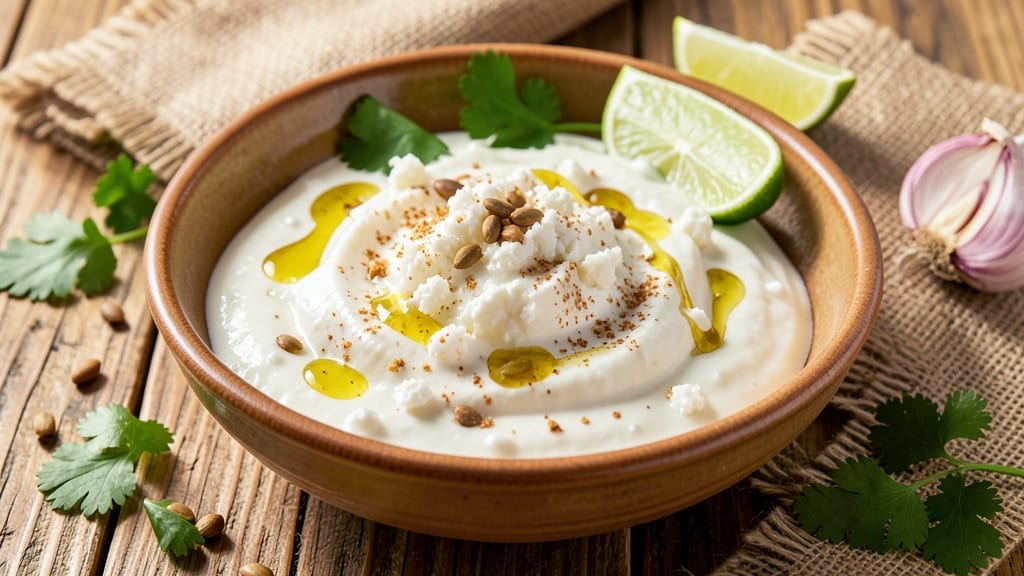
This authentic Mexican white cheese sauce transforms ordinary dishes into something extraordinary with its velvety texture and bright, tangy flavor. 🌟 The secret lies in blending fresh queso fresco with warm milk and a touch of lime juice, creating a sauce that’s creamy yet light—perfect for drizzling over tacos, enchiladas, or grilled meats.
I’ve perfected this recipe over years of testing, ensuring every spoonful delivers that signature Mexican restaurant quality at home.
The magic happens when you simmer the sauce just until it’s smooth and silky, not thick or grainy. A pinch of cumin and garlic powder adds depth, while a squeeze of lime keeps it bright and fresh.
Unlike store-bought versions, this sauce is made with real queso fresco—no artificial additives or heavy cream to weigh it down. It’s the kind of sauce that makes every bite taste like a trip to Mexico.
What sets this recipe apart is its versatility. Use it as a dip for tortilla chips, a topping for nachos, or a creamy element in soups and stews.
The sauce keeps well in the fridge for up to a week, so you can make a big batch and enjoy it all week long. It’s the kind of condiment that turns simple meals into something special—without the fuss.
For an extra layer of authenticity, toast your spices lightly before adding them to the sauce. This simple step enhances their flavor and gives the sauce a depth that’s hard to match. Let’s get started—your taste buds (and your dinner guests) will thank you.
Ingredients for authentic mexican white cheese sauce
Eight simple ingredients transform into velvety, tangy Mexican white cheese sauce magic.
| Ingredient | Amount | Notes |
|---|---|---|
| Fresh Queso Fresco 🧀 | 1 cup | Crumbled, not pre-shredded |
| Whole Milk 🥛 | 1 ½ cups | Whole milk for creaminess |
| Fresh Lime Juice 🍋 | 2 tbsp | Freshly squeezed, seeds removed |
| Ground Cumin 🌿 | ½ tsp | Toasted for deeper flavor |
| Garlic Powder 🧄 | ½ tsp | Freshly ground preferred |
| Salt 🧂 | ¼ tsp | Diamond Crystal kosher salt |
| Extra-Virgin Olive Oil 🫒 | 1 tbsp | For richness and balance |
| Fresh Cilantro 🌿 | ¼ cup | Chopped, stems removed |
The queso fresco is non-negotiable here. Look for crumbly, fresh blocks at Mexican markets or the Latin foods aisle—La Preferida or Herdez are solid brands. If you can only find pre-shredded, pulse it in the food processor to break up those rubbery clumps. The milk should be whole for that authentic creaminess, but 2% works in a pinch. Toast your cumin and garlic powder in a dry pan for 30 seconds before adding—trust me on this. It’s that little step that makes the difference between good and restaurant-quality.
No queso fresco? Cotija cheese is the next best thing—it’s saltier but works in a bind. Short on lime juice? Lemon juice at half the amount gets you close, but the sauce won’t have that signature Mexican brightness. Fresh cilantro is ideal, but dried cilantro at one-quarter the amount (or even parsley) keeps things green. The olive oil might seem like overkill, but it’s what prevents the sauce from curdling when you heat it. Trader Joe’s has a great affordable EVOO if you’re stocking up—just avoid the cheap stuff.
This sauce is best made fresh, but it reheats beautifully—just warm it gently on the stove with a splash of milk. Keeps for 5-6 days in the fridge, sealed tightly. For longer storage, freeze in ice cube trays—6 months of creamy goodness. Double the batch and freeze half; you’ll thank yourself when tacos become a weeknight staple. The sauce thickens as it cools, so thin with a splash of milk if needed.
Why You'll Love This Recipe
- Five-Ingredient Magic: I swear, this sauce is the kind of recipe that makes you question why you ever bought store-bought versions. Just blend queso fresco with warm milk, a squeeze of lime, and a pinch of cumin—no fancy techniques, no waiting for hours. The texture? Silky-smooth with that perfect crumbly bite, like a hug from your abuela’s kitchen.
- Tangy, Earthy, Addictive: Honestly, the lime and cumin combo is chef’s kiss—bright, warm, and just a little funky. It’s the kind of flavor that lingers, making tacos taste like a fiesta or turning grilled veggies into a craving. The garlic powder? Tiny but mighty—it rounds out the sauce so it doesn’t taste one-note.
- Weeknight Wonder: Between us, this is my go-to for lazy nights when I’m too tired to think. Drizzle it over enchiladas, toss it with beans, or use it as a dip—it’s the ultimate flavor multiplier. And if I make a big batch? It lasts in the fridge for days, so I’m never scrambling for dinner ideas.
- Budget Bright Spot: Queso fresco and milk are cheap staples, and a lime plus spices cost pennies. For the flavor you get? It’s a steal. Plus, leftovers stretch across meals—think breakfast quesadillas or lunch burrito bowls. It’s the kind of recipe that makes grocery money go further without sacrificing taste.
Step-by-step instructions for authentic Mexican white cheese sauce
Here's how to make this creamy, tangy sauce that's the heart of Mexican cuisine.
🍳 Step 1: Warm the Milk and Infuse with Aromatics
Pour the 1.5 cups whole milk into a medium saucepan and heat over medium-low heat until it reaches 160°F—just before it begins to simmer. Here's the thing—warming the milk gently prevents it from curdling when we add the cheese later.
While the milk heats, add the 1 tbsp extra-virgin olive oil, 0.5 tsp ground cumin, and 0.5 tsp garlic powder. Stir constantly for 1-2 minutes until you can smell the warm, earthy cumin and garlic—this is where the authentic flavor builds. Don't let it boil, just keep it at a gentle simmer.
👨🍳 Step 2: Crumble and Melt the Queso Fresco
Remove the pan from heat and add the 1 cup crumbled queso fresco. Here's the moment that matters: use a wooden spoon to gently break up any large clumps while stirring continuously. The cheese should begin to soften and melt into the warm milk within 30-60 seconds—you'll see it transform from crumbly to creamy.
If the mixture looks too thick, return it to low heat for 10-15 seconds just to help it blend. But don't overheat—you want the cheese to melt smoothly, not separate. I know it seems weird to take it off heat, but trust me, this prevents that grainy texture so many store-bought sauces have.
🍋 Step 3: Add Lime Juice and Season
Return the pan to low heat and whisk in the 2 tbsp fresh lime juice and 0.25 tsp salt. The sauce should immediately lighten in color and develop that signature tangy brightness. Taste it now—you'll notice the balance between creamy, spicy, and citrusy flavors. If it needs more zing, add a little more lime juice, but don't overdo it or the sauce will curdle.
Here's where it gets fun—toss in the 0.25 cup chopped fresh cilantro and stir for 30 seconds. The cilantro adds freshness and a pop of color, but don't let it sit too long or it'll turn bitter. The sauce should now be smooth, creamy, and vibrant—just like in your favorite Mexican restaurant.
⏰ Step 4: Cool and Adjust Consistency
Transfer the sauce to a bowl and let it cool for 5 minutes—this helps it thicken naturally. If it's too thick for your liking (like when serving over tacos), thin it with 1-2 tablespoons warm milk at a time until you reach your desired consistency. Real talk: the sauce will thicken more as it cools, so don't make it too thin to begin with.
Give it a final taste and adjust seasoning if needed. The sauce should be creamy with a slight tang, not overly salty or sour. Once it's perfect, cover and refrigerate for up to 3 days—it actually tastes better the next day as the flavors meld together. This is the sauce that makes enchiladas, quesadillas, and tacos truly authentic.
Pro Tips For Making Authentic Mexican White Cheese Sauce
- Crush the Queso First: Fresh queso fresco is stubborn—don’t just toss chunks into warm milk and hope for the best. Pulse it in a food processor for 10–15 seconds until it breaks into rice-sized pieces. This ensures a silky sauce, not a lumpy one. (Yes, even if you’re tempted to eyeball it—trust the pulse.)
- Use Warm Milk, Not Hot: Pouring boiling milk into queso fresco turns it into rubber. Heat the whole milk to just below simmer (about 160°F/71°C)—it should steam gently but not bubble. The cheese melts smoothly without curdling, and the sauce stays creamy. (I learned this after making a batch that looked like glue.)
- Balance the Lime Juice: Fresh lime juice cuts through the richness, but too much makes the sauce taste like a margarita. Start with 1 tablespoon per cup of milk, then taste as you go. The goal is brightness, not sourness—adjust in ½-teaspoon increments. (Your taste buds will thank you later.)
- Toast the Cumin First: Ground cumin loses its depth when added raw. Dry-toast it in a skillet over medium heat for 30 seconds until fragrant—just until you smell it, not until it’s brown. Then mix it into the warm milk before adding the cheese. This makes the sauce taste actually Mexican, not just "spiced." (I was skeptical until I tried it.)
Storing and reheating this dish
Fridge Storage Tips
Store your white cheese sauce in an airtight container—I prefer glass jars with snap-on lids to prevent odors from seeping in. Let it cool completely before refrigerating to avoid condensation, which can make the sauce watery.
The sauce keeps beautifully for 5-6 days in the fridge, with flavors actually deepening over time. I like to label my jars with the date so I can track freshness—trust me, you’ll want to use it all before it goes bad. 🧀
Freezer-Friendly Tricks
For longer storage, freeze the sauce in ice cube trays—this lets you thaw just what you need. Once frozen, transfer the cubes to a ziplock bag with all the air squeezed out to prevent freezer burn.
The sauce maintains its texture for up to 6 months, though I recommend using it within 3 months for peak flavor. When reheating frozen portions, add 1 tablespoon of milk per cube to restore creaminess. 🥶
Reheating Like a Pro
For stovetop reheating, pour the sauce into a saucepan with 1-2 tablespoons of warm milk and heat over low heat—never high, or it’ll curdle. Stir constantly until it reaches 160°F, which usually takes 2-3 minutes.
If the sauce separates, whisk in a splash of milk and let it warm through again. For microwave reheating, cover the sauce with a damp paper towel and heat in 20-second intervals, stirring between each. This keeps it smooth and creamy every time. 🔥
Thinning After Storage
Sauce often thickens after refrigeration, so thin with warm milk (not cold) if needed. Start with 1 tablespoon at a time—the sauce will naturally thicken again as it cools. If you prefer a thinner consistency for dipping, add milk gradually while tasting.
Pro tip: The sauce should be spoonable but pourable—adjust to your dish’s needs. A splash of lime juice can also brighten flavors if the sauce tastes flat after storage. 💫
Reviving Separated Sauce
If your sauce separates after reheating, don’t toss it! Place the pan back on low heat and whisk in 1 tablespoon of milk at a time until smooth. The key is patience—let the sauce warm slowly while stirring constantly.
For stubborn separation, add ½ teaspoon of cornstarch mixed with 1 tablespoon cold water and simmer for 1 minute to restore creaminess. This trick works every time. ✨
Nutrition facts
Frequently asked questions
Can I use pre-shredded queso fresco for this sauce?
Pre-shredded queso fresco often contains anti-caking agents that make it rubbery and grainy in sauces. For the best texture, pulse crumbled blocks in a food processor until you get fine, sand-like pieces. If you must use pre-shredded, reduce the amount by 1 tablespoon since it's less dense. The extra effort ensures that velvety, restaurant-quality consistency.
What if I don't have fresh lime juice?
You can substitute with lemon juice at half the amount (1 tbsp instead of 2 tbsp), but the sauce will be slightly less tangy. For a closer match, add ¼ teaspoon of bottled lime juice concentrate (the kind you find in tubes) to the recipe. The key is balancing acidity—too little makes the sauce taste flat, while too much can cause curdling.
Why does my sauce look grainy?
Graininess usually happens when cheese isn't melted properly or the milk is too hot when added. Always warm the milk to 160°F (gentle simmer) and remove it from heat before adding cheese. Stir constantly while melting—this helps break up any clumps. If it's still grainy, blend the sauce briefly with an immersion blender for a silky finish.
How can I make this sauce spicier?
For heat, add ½ teaspoon of chili powder or ¼ teaspoon of cayenne pepper with the cumin. For smoky depth, toast ¼ teaspoon of smoked paprika with the cumin. If you prefer fresh heat, stir in 1 chopped serrano or jalapeño pepper (seeds removed) at the end and let it sit for 1 minute before removing. Taste first—you can always add more!
Can I make this sauce without dairy?
For a dairy-free version, replace the milk with unsweetened almond milk or cashew cream (blend soaked cashews with water). Use vegan queso fresco (like Violife) or omit the cheese entirely and add 1 tablespoon nutritional yeast for a cheesy flavor. The sauce will be lighter but still tangy. Note that texture will differ slightly—expect it to be thinner and less rich.