
Appetizers
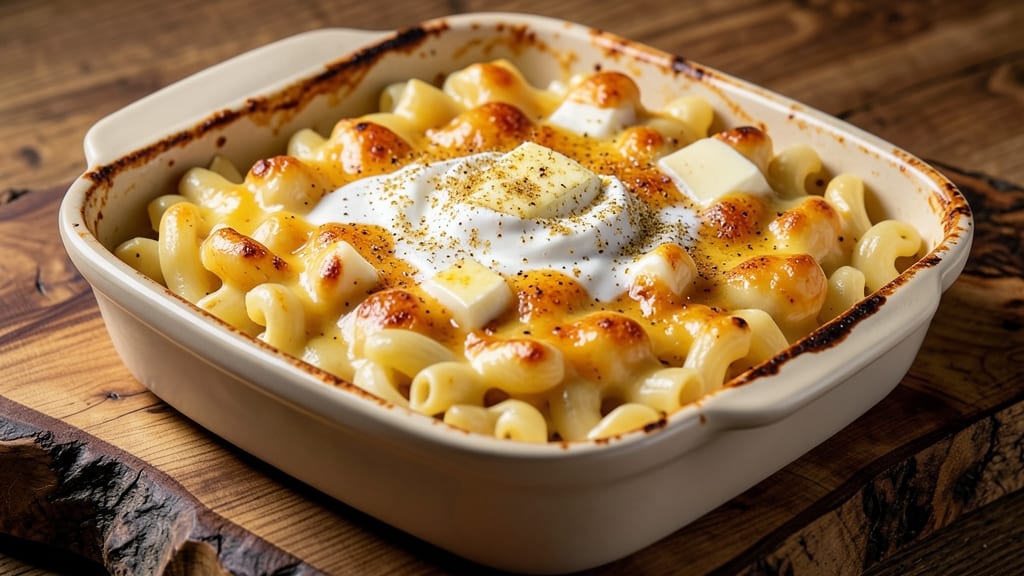
This baked macaroni and cheese recipe with dry mustard transforms a classic comfort dish into something unexpectedly sophisticated. The secret lies in dry mustard—just a pinch adds a sharp, tangy depth that cuts through the richness, creating a sauce that's both ultra-creamy and complex.
I developed this version after years of testing, and the difference is undeniable: no more bland, one-dimensional casserole.
The key technique is building the cheese sauce on the stovetop before baking, ensuring a velvety texture that holds together even after 30 minutes in the oven.
Dry mustard isn't just an afterthought—it's the ingredient that elevates this dish from ordinary to extraordinary, balancing the saltiness of cheddar with a bright, almost umami kick. Trust me, once you try it, you'll never go back to the basic version.
What you'll end up with is a bubbling, golden-topped mac and cheese with crispy edges and a sauce so rich it coats every noodle perfectly. The dry mustard's tang shines through without overpowering, creating layers of flavor that make this dish feel like a restaurant-quality creation.
Serve it as a main course or appetizer—it's that versatile and that good.
The best part? This recipe requires just 15 minutes of active prep, followed by hands-off baking. The dry mustard works its magic while you focus on assembling the dish, ensuring every bite delivers that perfect balance of creaminess and depth.
Ready to make the most flavorful mac and cheese you've ever tasted?
Ingredients for baked macaroni and cheese recipe with dry mustard
These 13 ingredients create a mac and cheese so rich and tangy you'll never go back.
| Ingredient | Amount | Notes |
|---|---|---|
| Elbow Macaroni 🍝 | 12 oz | Dry, medium or elbow shape |
| Sharp Cheddar Cheese 🧀 | 2 cups | Shredded, aged 2+ years preferred |
| Extra-Sharp White Cheddar Cheese 🧀 | 1 cup | Shredded, adds complex flavor |
| Heavy Whipping Cream 🥛 | 1 cup | Full-fat for ultra-creamy sauce |
| Whole Milk 🥛 | ½ cup | Warmed for smooth sauce |
| Unsalted Butter 🧈 | 4 tbsp | Cold, cut into pieces |
| All-Purpose Flour 🌾 | 2 tbsp | For thickening sauce |
| Dry Mustard Powder 🌶️ | ½ tsp | Key for tangy depth |
| Kosher Salt 🧂 | 1 ½ tsp | Adjust to taste |
| Black Pepper 🌶️ | ½ tsp | Freshly ground preferred |
| Panko Breadcrumbs 🍞 | ¼ cup | For crispy topping |
| Garlic Powder 🧄 | ¼ tsp | Enhances flavor profile |
| Freshly Grated Parmesan Cheese 🧀 | ¼ cup | For final garnish |
The cheeses make all the difference here. Sharp cheddar is non-negotiable—look for brands like Cabot or Tillamook at grocery stores or specialty shops. The white cheddar adds that extra complexity, and Whole Foods usually carries it in their cheese section. Freshly grated Parmesan at the end is worth the effort—pre-shredded gets clumpy. For the dry mustard, Penzeys or bulk bins are your best bet if you want to splurge, but the tiny packets work fine too. Just make sure it's pure mustard powder, not mustard powder blends.
No sharp cheddar? Extra-sharp cheddar at half the amount works in a pinch. Heavy cream too expensive? Full-fat coconut milk gives similar richness, though the flavor won't be identical. The panko topping can be swapped for regular breadcrumbs if that's what you've got—just add 1 tbsp melted butter to bind it. For the flour, all-purpose works fine, but if you've got gluten-free flour, use that instead. The dry mustard is the star—don't skip it, even if you think it's too subtle. Trust me, that half teaspoon makes all the difference.
This reheats beautifully—just cover with foil and bake at 350°F for 15 minutes. Keeps 4-5 days in the fridge, freezes for 3 months if portioned into containers. I always make a double batch because it disappears fast. The sauce gets even better the next day as the flavors meld. For serving, a sprinkle of fresh cracked black pepper right before eating adds that restaurant-quality touch.
Why You'll Love This Recipe
- One-Pot Magic: I swear by this recipe because it’s the kind of dish where you dump everything in one bowl, bake, and walk away. No strainers, no extra pans—just elbow macaroni, sharp cheddar, and that dry mustard kick that transforms it from basic to ridiculously good with zero effort.
- Mustard Magic: Between us, that dry mustard is the secret weapon. It cuts through the richness of the heavy cream and sharp cheddar, giving it this tangy, almost savory depth that makes you want to inhale the whole casserole. Honestly, I’ve tried other baked mac and cheeses, but this one? It’s the only one that doesn’t taste like a kid’s lunchbox.
- Leftovers for Days: This recipe makes enough to feed a crowd—or at least my family for three lunches. The texture holds up perfectly when reheated (just add a splash of milk to keep it creamy), and the mustard flavor only gets better the next day. My kids actually beg for it cold straight from the fridge—yes, even on a Tuesday.
- Budget Comfort: Sharp cheddar and elbow macaroni are pantry staples that won’t break the bank, and the heavy cream and milk stretch further than you’d think. I’ll be real: it’s the kind of dish I make when I’m trying to stretch groceries but still want something that feels like a treat. Plus, the dry mustard? A tiny jar goes a long way.
Step-by-step instructions for baked macaroni and cheese with dry mustard
Here's how to make this ultra-creamy, tangy mac and cheese that'll impress everyone.
Cook the Elbow Macaroni to Perfect Al Dente
Bring a large pot of water to a rolling boil and add 12 oz elbow macaroni. Cook until 1 minute before the package directions for al dente—this ensures it finishes cooking in the oven without becoming mushy. I like to taste-test a piece when it's done—it should have a slight bite with a tender center.
While cooking, add 1.5 tsp kosher salt to the water to season the pasta. Reserve 1 cup of the pasta water before draining—this starchy liquid is essential for creating a silky sauce. Drain the pasta and set it aside in the pot, but don't rinse it. The surface starch helps the cheese cling beautifully.
Make the Ultra-Creamy Cheese Sauce
In a separate saucepan, melt 4 tbsp unsalted butter over medium heat. Once melted, whisk in 2 tbsp all-purpose flour and cook for 1-2 minutes until the mixture forms a smooth paste—this is your roux. The goal is to remove any raw flour taste while thickening the sauce.
Gradually whisk in 1 cup heavy whipping cream and 0.5 cup whole milk, letting the mixture simmer gently for 3-4 minutes until it begins to thicken. Remove from heat and stir in 2 cups sharp cheddar cheese, 1 cup extra-sharp white cheddar cheese, 0.5 tsp dry mustard powder, 0.5 tsp black pepper, and 0.25 tsp garlic powder. The mustard powder adds that tangy depth that makes this recipe special.
Combine Pasta and Sauce
Pour the hot cheese sauce over the drained pasta in the pot. Stir gently but thoroughly to coat every strand of macaroni. If the sauce looks too thick, add pasta water 1 tablespoon at a time until it reaches a smooth, creamy consistency. The sauce should coat the back of a spoon but still flow easily.
Transfer the pasta mixture to a 9x13-inch baking dish (or similar size) and spread it evenly. The dish should be about ¾ full—this gives the mac and cheese room to puff up slightly in the oven. Sprinkle 0.25 cup panko breadcrumbs evenly over the top for that perfect crispy finish.
Bake to Golden Perfection
Preheat your oven to 375°F. Place the baking dish on the middle rack and bake for 25-30 minutes until the top is golden brown and bubbly. The edges should be set, but the center should still be slightly jiggly—it'll continue cooking as it rests.
For the final touch, sprinkle 0.25 cup freshly grated parmesan cheese evenly over the top. Return it to the oven for 2-3 minutes just to melt the cheese and give it that beautiful golden finish. Let it rest for 5 minutes before serving—this helps the sauce set slightly so it's easier to cut.
Pro Tips For Making Baked Macaroni And Cheese Recipe With Dry Mustard
- Salting the Pasta Water: The mustard in this dish needs room to bloom, so use well-salted pasta water—about 1.5 tablespoons of salt per pound of elbow macaroni. I used to skimp, thinking it’d be "too salty," but the cheese sauce absorbs enough water to dilute it. Trust me, the flavor balance depends on this.
- Grating Cheese Like a Pro: Buy pre-shredded cheddar? Skip it—it’s coated with anti-caking agents that make the sauce grainy. Instead, grate the sharp and extra-sharp cheddar yourself, mixing them in a 3:1 ratio (sharp to white) for depth. Use a microplane for the white cheddar to get fine, even shreds that melt smoothly.
- Bake Until Bubbly, Not Browned: This isn’t a casserole—it’s a baked mac and cheese. Pull it out when the edges are golden but the center is still slightly underdone (around 350°F for 20-25 minutes). Overbaking turns the mustard bitter and the cheese rubbery. Cover with foil the last 10 minutes if the top browns too fast.
- Whisk in the Mustard Early: Add the dry mustard to the warm cream-milk mixture before stirring in the cheese. Let it sit for 2 minutes to soften—this prevents clumping and ensures the mustard’s tang distributes evenly. Stirring it in last? You’ll end up with pockets of sharpness instead of a balanced flavor.
Common mistakes when making perfect results
Overcooking the Pasta
I’ve ruined more mac and cheese than I’d like to admit by overcooking the pasta. The key is stopping 1 minute before the package says "al dente"—this ensures it finishes cooking in the oven without turning mushy.
Test a piece by tasting it: it should have a slight bite with a tender center. Overcooked pasta absorbs too much sauce, leaving you with dry, sad noodles. 🍝
Skipping the Roux
Some recipes suggest just melting cheese into milk, but that’s a mistake. The roux (butter + flour) is what creates that ultra-smooth, velvety texture. If you skip it, your sauce will be thin and grainy.
Cook the roux for 1-2 minutes until it’s golden—this removes the raw flour taste and gives the sauce body. Trust me, it’s worth the extra step.
Not Using Pasta Water
The starchy pasta water is your secret weapon for a creamy sauce. If you skip it, your mac and cheese will be dry and clumpy. Reserve 1 cup of the pasta water before draining, and add it 1 tablespoon at a time to the sauce if it looks too thick.
The starch in the water helps emulsify the cheese, creating that restaurant-quality silkiness.
Underestimating the Mustard
That ½ teaspoon of dry mustard isn’t just an afterthought—it’s the flavor booster that makes this recipe shine. If you skip it or use too little, your dish will taste flat. The mustard cuts through the richness of the cheese, adding a bright, tangy depth.
For the best results, use Penzeys or bulk-bin mustard powder—it’s worth the investment for that authentic kick.
Overmixing the Cheese
Once you add the cheese to the sauce, resist the urge to stir vigorously. Overmixing can create lumps or even scramble the cheese, leading to a grainy texture. Instead, stir gently and let the heat do the work.
If you see lumps, remove the pan from heat and use a rubber spatula to smooth them out. Patience here pays off with a silky, lump-free sauce. 🧀
Ignoring the Resting Time
Cutting into your mac and cheese right after it comes out of the oven is a common mistake. The dish needs to rest for 5 minutes to let the sauce set slightly. This makes it easier to slice and prevents a messy, runny mess.
If you’re in a hurry, cover it loosely with foil and let it sit while you set the table—it’ll still be hot and delicious when you serve it.
Nutrition facts
Frequently asked questions
Why does this recipe use dry mustard instead of regular mustard?
Dry mustard powder delivers a more concentrated, subtle tang that enhances the cheese without overpowering it. Regular mustard would add moisture and alter the texture. The ½ teaspoon creates that signature depth—think of it as a secret weapon for balancing richness. You won't find this technique in basic recipes, but it's what makes this version stand out!
Can I make this recipe without a roux?
Technically yes, but your sauce will be thinner and less velvety. The roux (butter + flour) is what creates that ultra-smooth texture. For a quick fix, whisk 1 tbsp cornstarch with 1 tbsp cold milk and stir it into the hot cheese mixture—it'll thicken just as well, though with slightly different mouthfeel.
How do I prevent a watery top after baking?
This happens when the sauce isn't thick enough before baking. Make sure your sauce coats the back of a spoon before transferring to the dish. For extra insurance, sprinkle the panko topping 10 minutes before the end of baking—this gives it time to crisp while absorbing any excess moisture.
What's the best way to reheat leftovers?
Cover with foil and bake at 350°F for 15-20 minutes until warmed through. For microwave reheating, cover with a damp paper towel and heat in 30-second intervals, stirring between each. The dry mustard flavor actually improves overnight as the cheeses meld!
Can I substitute Monterey Jack for the cheddar?
Yes, but you'll lose some complexity. Monterey Jack adds creaminess but lacks the sharpness that makes this recipe special. For best results, use 1 cup Monterey Jack + 1 cup sharp cheddar—this gives you both texture and depth while keeping the mustard's tang shining through.