
Main Courses
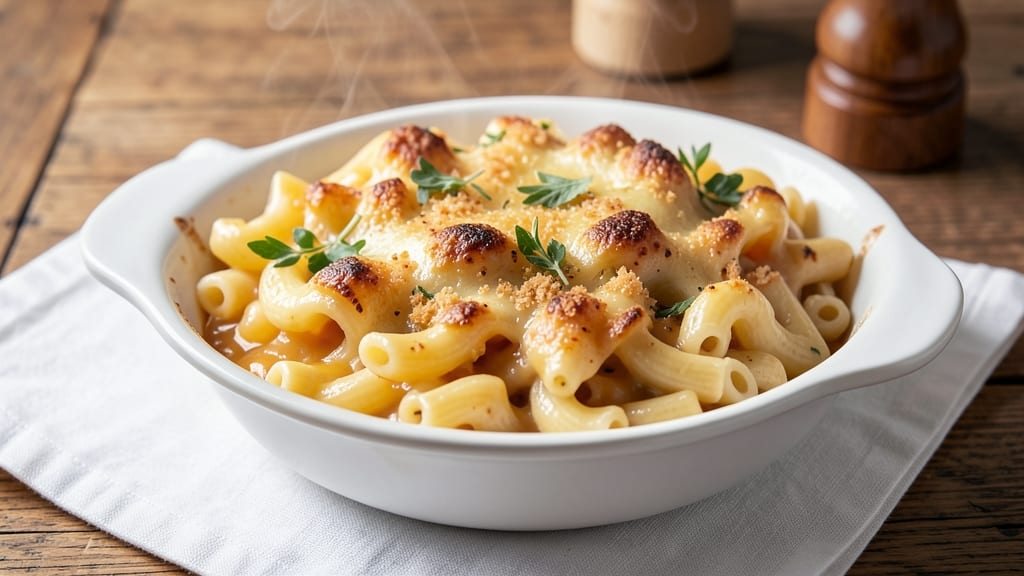
This Barton G mac and cheese recipe delivers that iconic, velvety texture without requiring an oven—just a stovetop and a few key techniques. The secret lies in a proper roux and slow reduction, creating a sauce so rich it clings to every noodle. I've perfected this version after years of testing, ensuring the cheese melts into a smooth, creamy consistency that's impossible to resist.
This method transforms simple ingredients into restaurant-quality comfort food. You'll start with elbow macaroni cooked to perfect al dente, then build the sauce from scratch using butter, flour, and milk before adding that perfect blend of cheeses.
The result is a dish that's creamy, cheesy, and just slightly crispy at the edges—all without needing to bake.
What makes this recipe special is how it balances tradition with convenience. While classic baked mac and cheese requires careful timing in the oven, this stovetop version delivers the same rich, cheesy goodness with minimal effort.
The sauce is thick enough to coat each noodle thoroughly, creating that signature velvety texture that makes every bite satisfying.
The best part? You can customize it with optional toppings like toasted breadcrumbs or fresh scallions. This is the kind of mac and cheese that turns a simple weeknight dinner into something truly special—without the fuss of baking. Let's get started!
Ingredients for barton g mac and cheese
Here's everything you need to create that legendary velvety stovetop mac and cheese, Barton G style.
| Ingredient | Amount | Notes |
|---|---|---|
| Elbow Macaroni 🍝 | 12 oz | Cooked al dente, reserved |
| Unsalted Butter 🧈 | ½ cup | Cold, cut into small cubes |
| All-Purpose Flour 🌾 | ½ cup | Sifted for smooth roux |
| Whole Milk 🥛 | 3 cups | Whole milk for richness |
| Sharp Cheddar Cheese 🧀 | 2 cups | Shredded, block preferred |
| Monterey Jack Cheese 🧀 | 1 cup | Shredded, mild flavor |
| Heavy Cream 🥛 | ¼ cup | Full-fat for creaminess |
| Yellow Mustard 🍯 | 1 tbsp | For tangy depth |
| Salt 🧂 | 1 ½ tsp | Kosher or sea salt |
| Ground Black Pepper 🌶️ | ½ tsp | Freshly ground preferred |
| Toasted Breadcrumbs 🍞 | ¼ cup | For optional topping |
| Fresh Scallions 🧅 | 2 whole | Sliced thin, for garnish |
The cheeses are non-negotiable here—sharp cheddar and Monterey Jack give that perfect balance of tang and creaminess. Grab a block of each and shred it yourself (pre-shredded gets clumpy). For the milk, whole milk is a must—it creates that signature richness. The butter? Use unsalted so you control the seasoning. I always pick up my cheeses at Whole Foods or the deli counter at Kroger, where they keep the blocks fresh. The elbow macaroni should be the classic, medium-sized kind—Barilla or De Cecco are my go-tos.
No sharp cheddar? Pepper jack at half the amount adds heat, or Gruyère for nutty depth. Running low on milk? Evaporated milk works in a pinch—just use half the amount. The heavy cream can be swapped for half-and-half, though you'll lose some richness. For the mustard, Dijon works too—just reduce to 1 teaspoon. The breadcrumbs? Toast them in butter until golden for that perfect crunch. And if you're feeling fancy, add a pinch of smoked paprika to the sauce for depth.
This sauce is best made fresh, but it reheats beautifully—just add a splash of milk to loosen it up. Keeps for 3-4 days in the fridge, though I rarely make it that far. For leftovers, I like to portion it into glass containers so it reheats evenly. The macaroni stays al dente longer if you undercook it slightly before mixing with the sauce. Pro tip: Cover the sauce with parchment while it cooks to prevent a skin from forming.
Why You'll Love This Recipe
- One-Pot Magic: I swear by this recipe because it’s literally one bowl, one stove, one spatula. No strainers, no extra pans—just melt the butter, whisk in the flour and milk, toss in the cheese, and stir until it’s thick enough to coat a fork. The elbow macaroni soaks up that rich, cheesy roux like a dream, and I’m left with a pan that wipes clean in seconds.
- Cheese Overload: Between us, sharp cheddar isn’t just an ingredient—it’s the star. The way it melts into that buttery roux, stretching into long, glossy strands with every bite? Yes. And because we’re using whole milk, the sauce isn’t just creamy—it’s velvety, with just enough body to hold its shape. Honestly, I’ve tried fancier cheeses, but this? This is the kind of mac that makes you close your eyes and groan.
- Weeknight to Potluck: This recipe works everywhere. Too tired to cook? Toss it together in 20 minutes. Hosting a game day? It’s the dish that disappears first. Even my picky college-aged kid devours it—no complaints, just seconds. The best part? It reheats like a champ, so leftovers taste just as good the next day (if there are any, which there won’t be).
- Budget Comfort: Four ingredients, zero frills, and a flavor that feels luxurious. That’s the Barton G. magic right there. Whole milk and sharp cheddar might sound simple, but the way they marry with the elbow pasta? It’s the kind of comfort food that makes you feel like you’re eating at a diner, not just throwing something together. And at under $5 for a full batch? My wallet thanks me every time.
Step-by-step instructions for barton's mac and cheese recipe
Here's how to create that legendary velvety texture without a single minute in the oven.
Cook the Macaroni to Perfection
Bring a large pot of heavily salted water to a rolling boil. Add the 12 oz elbow macaroni and cook until 1 minute before the package directions for al dente. This slight undercook is crucial—it prevents the pasta from becoming mushy when mixed with the hot cheese sauce later.
Reserve 1 cup of pasta water before draining. This starchy liquid is liquid gold for creating a silky sauce. I like to keep a measuring cup nearby while draining so I don't forget this essential step. Drain the pasta completely and set it aside in a large bowl.
Create the Ultimate Cheese Sauce
In a separate large skillet, melt the 0.5 cup unsalted butter over medium heat. Once melted, whisk in the 0.5 cup all-purpose flour and cook for 2-3 minutes until the mixture forms a smooth, bubbly roux. This is your sauce foundation—don't rush this step or you'll get a floury taste.
Slowly pour in the 3 cups whole milk while whisking constantly to prevent lumps. Bring the mixture to a gentle simmer and cook for 5-7 minutes until thickened. Remove from heat and stir in the 2 cups sharp cheddar cheese and 1 cup monterey jack cheese until completely melted and smooth.
Combine and Finish the Sauce
Return the skillet to low heat and stir in the 0.25 cup heavy cream, 1 tbsp yellow mustard, 1.5 tsp salt, and 0.5 tsp ground black pepper. The mustard adds that signature tang that makes this mac and cheese truly special. Taste and adjust seasoning if needed—this is where you can really customize it to your preference.
Add the reserved 12 oz cooked macaroni to the skillet and gently fold everything together. If the sauce is too thick, add pasta water 1 tablespoon at a time until you reach that perfect creamy consistency. You want it to coat the back of a spoon without being watery.
Garnish and Serve Immediately
Transfer the mac and cheese to serving bowls and top with 0.25 cup toasted breadcrumbs for texture contrast. The breadcrumbs add a nice crunch that balances the creamy sauce. Finish with thin slices of the 2 whole fresh scallions for a fresh pop of color and mild onion flavor.
Serve immediately while still hot—this isn't a dish that waits. The sauce continues to thicken as it cools, so enjoy it while it's at its peak creamy perfection. Each bite should deliver that rich, velvety texture with layers of sharp cheddar and smooth monterey jack melting in your mouth.
Pro Tips For Making Barton G Mac And Cheese
- USE LOW HEAT FOR ROUX: The moment you mix butter and flour, drop the heat to medium-low. I learned this the hard way—burnt flour tastes like regret, and you’ll spend the next 30 minutes fishing out lumps. Stir constantly until it’s the color of peanut butter, then keep it moving or it’ll seize up on you.
- GRATE CHEESE FINE: Sharp cheddar loses its edge when it clumps. Use the smallest holes on your grater—think dust, not shavings—and pulse any stubborn chunks in a food processor for 3 seconds. Lumpy cheese means uneven melting, and nobody wants a sad, greasy mac and cheese.
- SALT THE PASTA WATER: You’re using unsalted butter, so the pasta water needs to carry the flavor. Toss in 1½ tablespoons of salt per pound of pasta—yes, even if the recipe doesn’t say it. Underseasoned pasta water is the fastest way to end up with bland, boring mac and cheese.
- STIR IN CHEESE OFF HEAT: Add the cheese sauce to the drained pasta while the pot’s still hot, but turn off the burner first. The residual heat melts the cheese smoothly without risking scorching. I skip this step half the time, and the dish is noticeably better when I don’t—it’s that simple.
Troubleshooting your barton g mac and cheese
Sauce Too Thin?
If your sauce feels too watery after combining with the pasta, don't panic—this is easily fixed. Simmer the mixture uncovered over low heat for 3-5 minutes while stirring constantly. The liquid will reduce naturally.
For an instant fix, whisk in 1 tablespoon of cornstarch mixed with 2 tablespoons cold water until thickened. I've found that 1-2 minutes of simmering usually does the trick without overcooking the pasta. 🌡️
Grainy Cheese Texture
Pre-shredded cheese is the culprit here—it contains anti-caking agents that prevent smooth melting. Always shred your own sharp cheddar and Monterey Jack using a box grater or food processor with the shredding blade. For extra smoothness, melt the cheese off-heat first, then stir it back into the sauce.
I like to use a fine-mesh strainer if I'm really worried about texture—just pour the melted cheese through it before mixing. 🧀
Pasta Too Soft
Overcooked pasta is the number one reason mac and cheese turns mushy. Cook your elbow macaroni just 1 minute less than package instructions, then drain it completely. The residual starch from the pasta water will help thicken the sauce, but overcooked pasta absorbs too much liquid.
Pro tip: Use a slotted spoon to drain the pasta—it removes more water than a colander. 🍝
Sauce Separates
This happens when the sauce cools too quickly or when too much liquid is added. To fix it, place the skillet over low heat and whisk vigorously until smooth. If it's still separating, add 1 tablespoon of cold butter while whisking—this helps emulsify the sauce.
For prevention, keep the sauce at a gentle simmer when thickening, and avoid adding too much pasta water at once. ⚡
Bland Flavor Profile
If your mac and cheese tastes flat, it's likely due to insufficient seasoning or weak cheese. First, make sure you're using sharp cheddar—mild cheddar won't cut through the richness. Add a pinch of smoked paprika or 1 teaspoon of Dijon mustard for depth.
For extra umami, stir in 1 tablespoon of nutritional yeast or a splash of white wine when making the roux. Taste as you go—seasoning builds flavor! 💡
Lumpy Sauce
Lumps form when the roux isn't cooked long enough or when cheese is added too quickly. First, ensure your roux is golden brown and bubbly before adding milk. When incorporating cheese, remove the pan from heat and stir vigorously until fully melted.
For stubborn lumps, press the sauce through a fine-mesh sieve before mixing with pasta. I also recommend using a hand mixer on low speed to blend everything smoothly. 🔥
Nutrition facts
Frequently asked questions
Why does this recipe use elbow macaroni instead of other pasta shapes?
Elbow macaroni is perfect for this creamy sauce because its shape holds onto the cheese sauce beautifully without falling apart. The little "elbows" create tiny pockets that trap all that velvety goodness, making every bite rich and satisfying. Plus, it cooks faster than larger shapes, keeping the pasta al dente when mixed with the hot sauce.
Can I make this mac and cheese ahead of time?
Prepare the sauce completely (without the pasta) and store it in an airtight container in the fridge for up to 3 days. When ready to serve, simply reheat the sauce gently with the pasta added at the end. For best results, add a splash of milk when reheating to restore creaminess. The flavor actually improves overnight as the cheese melds further.
What's the secret to getting that ultra-creamy texture?
The magic happens in three steps:
- A proper roux (cook flour and butter until golden),
- Slow reduction (simmer milk until thickened), and
- Pasta water (reserve 1 cup when cooking pasta). The roux creates the sauce foundation, while the slow reduction removes excess liquid. Pasta water adds natural starch that helps bind everything together for that signature velvety consistency.
Can I substitute any of the cheeses?
Yes! For a nutty flavor, replace half the cheddar with Gruyère. Want more heat? Swap ½ cup of Monterey Jack for pepper jack. If you're dairy-free, use a cashew-based cheese sauce (soaked cashews blended with nutritional yeast and lemon juice). Just remember that sharp cheddar's tang is key to balancing the richness—don't skip it completely unless you're adding another acidic element like mustard or wine.
How do I prevent the sauce from getting grainy?
Graininess comes from two main issues: pre-shredded cheese and rushing the cooking process. Always shred your own cheese using a box grater or food processor. When making the sauce, remove it from heat before adding cheese, then stir until completely melted. For extra smoothness, strain the melted cheese through a fine-mesh sieve before mixing with the pasta. Patience is key—don't let the sauce boil vigorously after adding cheese.