
Sauces & Condiments
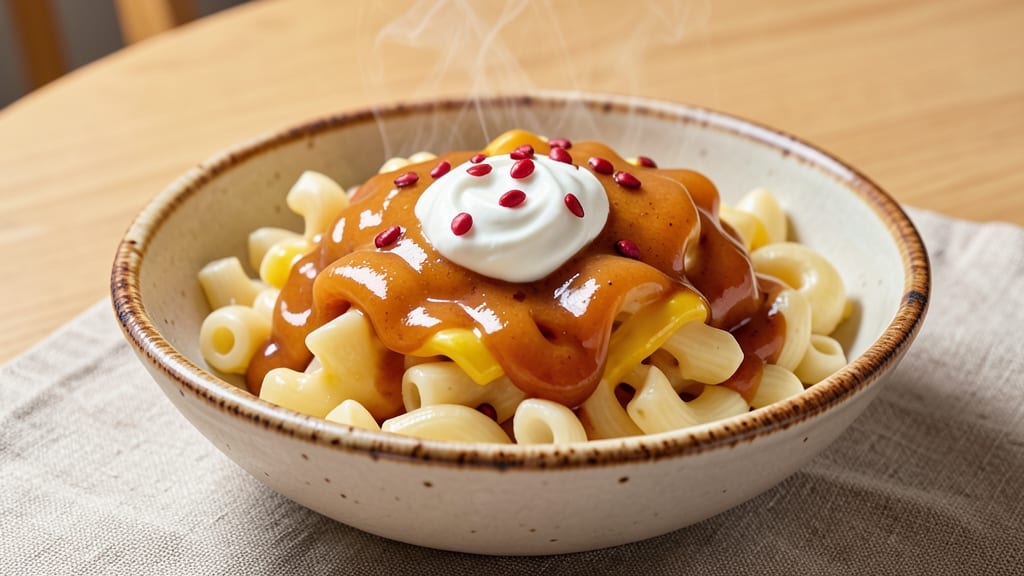
This basic mac and cheese sauce recipe delivers velvety perfection in just 15 minutes—no oven required. The secret lies in a proper roux and gradual cheese melting, creating a smooth, creamy sauce that clings beautifully to pasta or works as a standalone dish.
I’ve perfected this version after years of testing, ensuring it never breaks or separates, even when reheated.
The foundation starts with equal parts butter and flour cooked until golden, forming a flavorful base that prevents lumps when adding milk. Sharp cheddar provides the classic tang, while cream cheese adds richness without overpowering.
The sauce thickens as it simmers, reaching that ideal consistency where it coats a spoon but still pours smoothly.
What you’ll end up with is a restaurant-quality sauce—silky, flavorful, and adaptable. It’s perfect for mac and cheese, baked potatoes, or even as a creamy dip. The best part? This method delivers consistent results every time, with no guesswork or last-minute fixes.
For extra depth, consider adding a splash of mustard or a pinch of nutmeg, but the core recipe stays simple. Let’s make this sauce—the building block of countless comfort dishes.
Ingredients for basic mac and cheese sauce
Nine simple ingredients transform into velvety perfection—restaurant-quality mac and cheese sauce in 15 minutes.
| Ingredient | Amount | Notes |
|---|---|---|
| Unsalted Butter 🧈 | ½ cup | Cold, cut into small cubes |
| All-Purpose Flour 🌾 | ½ cup | Sifted for smooth sauce |
| Sharp White Cheddar Cheese 🧀 | 2 cups | Shredded, block preferred |
| Cream Cheese 🧀 | 8 oz | Full-fat for creaminess |
| Whole Milk 🥛 | 2 cups | Warmed slightly for smooth blend |
| Yellow Mustard 🍯 | 1 tbsp | For subtle tang |
| Ground Nutmeg 🌿 | ¼ tsp | Freshly grated preferred |
| Salt 🧂 | 1 tsp | Kosher or sea salt |
| Black Pepper 🌶️ | ½ tsp | Freshly ground for best flavor |
The butter and flour are your foundation—equal parts create a golden roux that prevents lumps. European-style butter from Plugrá or Land O'Lakes works perfectly, but any unsalted butter will do. For flour, King Arthur or Bob's Red Mill all-purpose are my go-tos—they blend smoothly without grittiness. The cheddar makes or breaks this sauce: sharp white cheddar gives that perfect tang, but yellow cheddar works too. Always shred it yourself—pre-shredded gets clumpy. The cream cheese adds that dreamy richness, so full-fat is non-negotiable.
No sharp cheddar? Extra-sharp cheddar or pepper jack add depth, but mild cheddar with extra mustard works in a pinch. Running low on cream cheese? Substitute with extra cheddar plus 2 tbsp sour cream. The mustard and nutmeg are optional but worth it—they elevate the sauce from basic to chef's kiss. For the milk, whole milk is ideal, but 2% works fine. Warm it slightly before adding—it blends smoother and prevents curdling. The salt and pepper should be added to taste at the end, so adjust based on how sharp your cheddar is.
This sauce reheats beautifully—just add a splash of milk if it thickens too much. Store it in an airtight container in the fridge for up to 5 days, or freeze for 3 months. For freezing, portion it into ice cube trays first—perfect for adding to pasta or baked potatoes later. The sauce thickens as it cools, so it'll be just right when reheated. Make a double batch—it disappears fast, especially when paired with crispy bacon or buttery noodles.
Why You'll Love This Recipe
- Five-Ingredient Magic: I swear by this combo—just butter, flour, cheddar, cream cheese, and milk. No fancy gadgets, no stress. The roux builds flavor while you stir, and that cream cheese? It keeps it silky instead of grainy.
- Cheddar Overload (in a good way): Sharp white cheddar melts into a rich, tangy blanket, while the cream cheese adds a velvety depth. Honestly, the first bite makes me forget it’s "basic"—it’s ridiculously good.
- Weeknight to Potluck Hero: Same sauce, endless uses. Toss with pasta for dinner, bake it into a casserole for a crowd, or even slather it on hot dogs. My go-to for lazy nights and Sunday gatherings.
- Leftovers That Don’t Suck: This sauce reheats like a dream—no separation, no sad texture. I make a double batch on Sundays, and by Wednesday, I’m still scraping the pan clean. Budget-friendly? Absolutely. Waste-free? Even better.
Step-by-step instructions for velvety mac and cheese sauce
Here's how to create the ultimate stovetop mac and cheese with a perfectly smooth, rich sauce every time.
Melt Butter and Whisk in Flour
In a medium saucepan over medium heat, melt the 0.5 cup unsalted butter until it's completely liquid but not browned. I like to cut the butter into small cubes first—this helps it melt more evenly and prevents clumping. Once melted, reduce the heat to medium-low and sprinkle in the 0.5 cup all-purpose flour all at once.
Whisk constantly for 1-2 minutes until the mixture forms a smooth, pale roux with no floury taste. This step is crucial—it creates the creamy base for your sauce. If you see any lumps, keep whisking; they'll disappear as the butter and flour fully incorporate. The roux should look like wet sand and smell nutty but not toasted.
Gradually Add Warm Milk
Slowly pour in the 2 cups warm whole milk while continuing to whisk vigorously. I like to use a wire whisk for this because it creates more air and helps prevent lumps. Add the milk gradually—about ¼ cup at a time—to give the flour time to fully incorporate before adding more.
Once all the milk is added, increase the heat to medium and continue whisking for 3-5 minutes until the mixture thickens and coats the back of a spoon. You're looking for a smooth, velvety consistency—no graininess at all. This is where the magic happens; if you rush this step, you'll end up with a lumpy sauce. The mixture should bubble gently but not boil over.
Incorporate Cheeses and Seasonings
Lower the heat to low and begin adding the cheeses. First, stir in the 8 oz cream cheese until it's completely melted and smooth. Then, gradually add the 2 cups sharp white cheddar cheese, stirring constantly to prevent clumping. The cheese should melt into the sauce within 2-3 minutes.
Next, stir in the 1 tbsp yellow mustard, 0.25 tsp ground nutmeg, 1 tsp salt, and 0.5 tsp black pepper. Taste the sauce and adjust the seasoning if needed—I usually add a pinch more salt and a crack of pepper to taste. The nutmeg adds a subtle warmth that elevates the whole dish. Keep the heat at low to prevent the cheese from separating or the sauce from curdling.
Simmer for a Silky Finish
Return the heat to medium-low and let the sauce simmer gently for 3-5 minutes, stirring occasionally. This final step ensures all the flavors meld together and the sauce reaches its perfect consistency. You're aiming for a sauce that's thick enough to coat the back of a spoon but still flows smoothly.
If the sauce is too thick, whisk in 1-2 tablespoons of milk to loosen it. Conversely, if it's too thin, simmer it a bit longer to thicken. The sauce should be velvety, rich, and ready to pair with your favorite pasta. Once it reaches this stage, remove it from heat immediately—overcooking can cause it to separate or become grainy. Serve warm over cooked macaroni for the ultimate comfort food experience!
Pro Tips For Making Basic Mac And Cheese Sauce
- Cook Butter Slowly: Melt the butter over medium heat—don’t rush it. I used to crank the heat and end up with burnt flour, which ruins the whole sauce. Let it bubble gently, then whisk in the flour immediately to avoid lumps.
- Shred Cheese Fresh: Skip the pre-shredded stuff—it’s coated with anti-caking agents that make the sauce grainy. Use a box grater or food processor for sharp white cheddar, and add it in stages so the sauce doesn’t seize up.
- Temper the Milk: Warm the milk to body temperature before adding it to the roux. Cold milk shocks the butter and makes the sauce split. Just heat it in the microwave for 30 seconds or warm it on the stove first—trust me, it’s worth it.
- Stir Like Your Life Depends on It: Whisk constantly for the first 2 minutes after adding milk—no breaks. I learned this the hard way when I walked away for "just a second" and ended up with a gluey mess. Keep it moving until it thickens.
Pro cooking tips for this dish
Roux Perfection
The secret to a silky sauce starts with your roux—this is where flavor and texture foundation happens. Melt ½ cup unsalted butter over medium-low heat until fully liquid but never browned.
Then whisk in ½ cup all-purpose flour all at once, cooking for 1-2 minutes until it reaches a pale golden color and smells nutty. This takes patience—rushing causes lumps or a floury taste that ruins everything.
I like to use a heatproof spatula to scrape the bottom constantly for even cooking. 🌡️
Cheese Melting Hacks
Adding cheese too quickly is the #1 way to ruin smooth sauce. Start with 8 oz cream cheese—it melts faster and prevents clumping. Once it's fully incorporated, gradually add 2 cups sharp cheddar in small batches, whisking vigorously between additions.
If you see any cheese chunks, lower the heat and let it melt slowly. Pro tip: Use block cheese instead of pre-shredded—it melts more evenly. For extra richness, I sometimes add ¼ cup grated parmesan at the end.
Milk Temperature Matters
Warm your milk to 110-115°F before adding—this prevents curdling and helps the sauce emulsify smoothly. I heat mine in the microwave for 30 seconds or warm it in a separate saucepan. Adding cold milk can cause the sauce to break, creating that dreaded "oily" separation.
If your sauce starts to curdle, immediately remove it from heat, whisk in 1 tbsp cold milk, and return to low heat while whisking constantly until smooth again.
Low-and-Slow Finish
The final 3-5 minutes of simmering at low heat is where all flavors come together. This gentle cooking prevents the sauce from breaking while allowing the nutmeg and mustard to infuse properly.
If your sauce thickens too much, whisk in 1 tbsp milk at a time until you reach that perfect coating consistency. Never let it boil—this causes the cheese to separate. For extra insurance, I sometimes whisk in 1 tbsp cornstarch slurry if the sauce gets too thin during reheating.
Reheating Without Ruin
Leftovers are where most people mess up. Reheat your sauce over low heat with 2 tbsp milk added to prevent drying out. If it looks too thick after reheating, whisk in 1 tbsp warm water to restore that velvety texture.
For frozen sauce, thaw it in the fridge overnight and reheat gently—microwaving causes separation. I like to portion my sauce into ice cube trays before freezing, then pop out individual cubes to add to pasta or baked potatoes later.
Equipment Essentials
You don’t need fancy tools, but these make a difference: A medium saucepan with sloped sides prevents spills, a wire whisk creates more air than plastic, and a heatproof spatula helps scrape every last bit. For temperature control, I use an instant-read thermometer to monitor the milk temperature.
If you’re making this often, consider a stand mixer with the whisk attachment—it handles the constant whisking for you while you prep other components. 💡
Nutrition facts
Frequently asked questions
Can I make this sauce without cream cheese?
Yes! For a lighter version, replace the 8 oz cream cheese with an extra 1 cup sharp cheddar and 2 tbsp sour cream. The sauce will still be rich but slightly less velvety. For a dairy-free option, use 1 cup full-fat coconut milk instead of milk and ½ cup nutritional yeast for depth. The texture will be smoother but less creamy.
Why did my sauce get grainy?
Graininess usually happens from one of three things: adding cheese too quickly, not whisking enough during the roux stage, or letting the sauce boil. To fix it, immediately remove from heat, whisk in 1 tbsp cold milk, then return to low heat while whisking constantly until smooth. For prevention, always add cheese gradually and keep heat at medium-low.
How can I make this sauce thicker or thinner?
For a thicker sauce, simmer uncovered for 2-3 extra minutes to evaporate moisture. If it's too thick, whisk in 1 tbsp milk at a time until you reach the perfect coating consistency. For a thinner sauce (great for dipping), add 2 tbsp milk and stir well. The ideal texture should coat the back of a spoon but still flow smoothly when poured.
Can I use this sauce for dishes other than mac and cheese?
This versatile sauce works perfectly for baked potatoes, grilled cheese sandwiches, or as a dip for veggies and bread. For extra flavor, stir in ½ cup cooked bacon bits or ¼ cup chopped chives before serving. You can also use it as a creamy base for stuffed peppers or as a topping for burgers and sliders.
How long can I store this sauce?
Store in an airtight container in the fridge for up to 5 days, or freeze for 3 months. For freezing, portion into ice cube trays first—this makes it easy to thaw just what you need. When reheating, add 1 tbsp milk per cup of sauce to restore creaminess. Never microwave frozen sauce directly; thaw it first in the fridge for best results.