
Main Courses
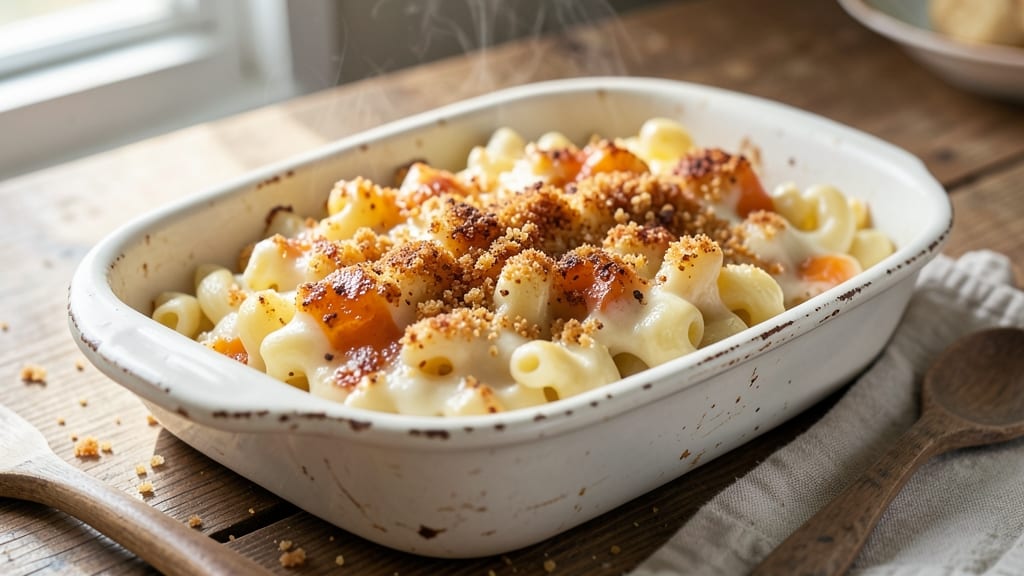
Grandma's macaroni and cheese recipe brings back the comforting flavors of childhood—creamy, cheesy, and topped with perfectly crispy breadcrumbs that make every bite irresistible.
I remember the first time I tasted this dish at my grandmother's kitchen table, where the stove-top method created that signature velvety texture without a single lump in sight.
The secret lies in patience and layering flavors, starting with a rich roux that forms the foundation of this classic comfort food.
This recipe delivers restaurant-quality results with just a handful of simple ingredients you likely already have in your pantry. We're talking elbow macaroni cooked to tender perfection, sharp cheddar cheese melted into a smooth sauce, and a touch of milk to keep it creamy.
The breadcrumb topping adds a satisfying crunch that contrasts beautifully with the soft pasta beneath. It's the kind of dish that feels like a warm hug on a chilly evening.
What makes this version special is the balance of techniques—stovetop cooking for that velvety cheese sauce, followed by a quick oven bake to achieve that golden, crispy breadcrumb topping. The result is macaroni and cheese that's rich, comforting, and impossible to resist.
This is the recipe that will have everyone asking for seconds, just like it did at my grandmother's table.
Perfect for weeknight dinners, family gatherings, or whenever you're craving a taste of home. The best part? It's adaptable—add bacon for extra flavor or swap in different cheeses to suit your taste. Let's get cooking and bring back that nostalgic comfort food magic.
Ingredients for grandma's macaroni and cheese
Pantry staples plus a few cheesy secrets—this is Grandma's magic in a baking dish.
| Ingredient | Amount | Notes |
|---|---|---|
| Elbow Macaroni 🍝 | 8 oz | Dry, uncooked, medium elbow shape |
| Sharp Cheddar Cheese 🧀 | 3 cups | Shredded, aged 2+ years preferred |
| Unsalted Butter 🧈 | ½ cup | Cold, cut into small cubes |
| All-Purpose Flour 🌾 | ¼ cup | For smooth roux |
| Whole Milk 🥛 | 1 cup | Full-fat for creaminess |
| Panko Breadcrumbs 🍞 | ½ cup | For crispy topping |
| Extra-Virgin Olive Oil 🫒 | 2 tbsp | For drizzling on top |
| Salt 🧂 | 1 ½ tsp | Kosher or sea salt |
| Black Pepper 🌶️ | ½ tsp | Freshly ground preferred |
| Garlic Powder 🧄 | ½ tsp | For subtle depth |
| Mustard Powder 🌶️ | ¼ tsp | Brightens the cheese |
| Dry White Wine 🍷 | ¼ cup | Optional, for richness |
The cheese is non-negotiable here. Sharp cheddar with at least 2 years of aging gives that tangy depth—Kraft isn't cutting it. I grab mine from the deli counter at Whole Foods or Trader Joe's, where they keep it wrapped in parchment. If you're using pre-shredded, toast it in the oven first to melt out the anti-caking agents. The butter should be cold—cut it into tiny cubes so it melts smoothly without separating. For the pasta, elbow macaroni is classic, but any short shape works. Just don't overcook it—you want it al dente so it holds up during baking.
No sharp cheddar? Pepper jack or Gruyère adds a nice twist—just reduce the amount to 2.5 cups. Short on wine? Extra milk or chicken broth keeps the sauce creamy. The flour is for thickening, but if you're worried about lumps, whisk it with a little cold milk first. For the breadcrumbs, panko is a must—it stays crispy longer than regular breadcrumbs. No panko? Toast regular breadcrumbs in the oven for 5 minutes before using. The garlic powder and mustard powder are optional but make the cheese sauce sing—skip them if you're keeping it classic.
This reheats beautifully—just cover with foil and pop it in the oven at 350°F for 10 minutes. Keeps for 3-4 days in the fridge, though it's best within 2. The breadcrumb topping gets soggy if stored too long, so make it fresh if you can. For leftovers, just reheat the cheese sauce separately and add fresh breadcrumbs on top before serving. Freezes well for up to 2 months—just thaw overnight in the fridge before reheating. Double the recipe and freeze half for lazy weeknights.
Why You'll Love This Recipe
- One-Pot Magic: I swear by this recipe—just butter, flour, milk, and that sharp cheddar melted together in one pot. No extra bowls, no mess, and honestly? It’s the kind of simplicity that makes me feel like I’ve won.
- Cheddar Overload: That sharp cheddar? It’s the star. The way it melts into a glossy, stretchy sauce with just a hint of graininess—chef’s kiss—makes every bite feel like a hug. And yes, even the picky eaters in my house ask for seconds.
- Leftover Hero: Between us, this dish tastes better the next day. The pasta soaks up all that rich cheese sauce, turning into a creamy, dreamy casserole. I make a double batch on Sundays just so I can reheat it all week—no takeout needed.
- Budget Win: Five ingredients, zero frills, and it still feels special. That’s the kind of recipe that stretches a grocery budget without sacrificing flavor. Plus, elbow macaroni is cheap, and this sauce? It’s pure comfort on a dime.
Step-by-step instructions for Grandma's macaroni and cheese
Here's how to make this velvety stovetop classic with that perfect crispy topping.
Cook the Elbow Macaroni Al Dente
Bring a large pot of water to a rolling boil and add 1.5 teaspoons salt. Once boiling, add the 8 ounces elbow macaroni and cook for 8-10 minutes until al dente—you'll know it's ready when you taste a piece and it still has a slight bite in the center. Drain the pasta and set it aside, reserving ½ cup pasta water in a small measuring cup. This starchy water will help create a silky sauce later.
Don't rinse the pasta—those surface starches are essential for binding the cheese sauce. If you're worried about overcooking, pull a piece out for a taste test about 1 minute before the package suggests. The pasta will continue cooking slightly when mixed with the hot cheese sauce.
Create the Cheese Sauce Foundation
In a large skillet over medium heat, melt the ½ cup unsalted butter until it foams. Add the ¼ cup all-purpose flour and whisk constantly for 1-2 minutes until the mixture forms a smooth, pale roux. This should smell nutty and toasty—if it darkens, you've gone too far.
Gradually whisk in the 1 cup whole milk and ¼ cup dry white wine (if using), allowing each addition to absorb completely before adding more. Stir in the 3 cups sharp cheddar cheese, 1.5 teaspoons salt, ½ teaspoon black pepper, ½ teaspoon garlic powder, and ¼ teaspoon mustard powder. The sauce will thicken dramatically as the cheese melts, creating a luxurious, velvety texture. If it looks too thick, add 1-2 tablespoons of reserved pasta water to loosen it.
Combine Pasta and Sauce for Perfect Texture
Add the drained elbow macaroni to the skillet and stir vigorously for 2-3 minutes until every strand is fully coated in the cheese sauce. The residual heat from the skillet will finish cooking the pasta while creating a thick, creamy consistency. Taste and adjust seasoning—you might need a pinch more salt or pepper to balance the rich cheese flavors.
Here's the thing—this is where the magic happens. The sauce should be thick enough to coat the back of a wooden spoon but still smooth enough to cling to the pasta. If it's too thick, add 1-2 tablespoons more pasta water until it reaches your ideal consistency. The goal is a sauce that's rich but not gluey, with just enough body to hold its shape when served.
Add the Crispy Breadcrumbs Topping
Transfer the macaroni and cheese to a serving dish. In a small bowl, mix the ½ cup panko breadcrumbs with the 2 tablespoons extra-virgin olive oil until evenly coated. Spread this mixture evenly over the top of the macaroni and cheese, pressing down gently with a spatula to ensure good contact.
Place the dish under a broiler for 2-3 minutes until the breadcrumbs turn golden brown and crispy. Watch carefully—this happens quickly, and you don't want them to burn. The broiler creates that perfect textural contrast: creamy, velvety cheese underneath with a satisfying crunch on top. If your oven doesn't have a broiler, you can achieve similar results by baking at 400°F for 5-7 minutes until crispy.
Pro Tips For Making Grandma'S Macaroni And Cheese
- Cook the Pasta Al Dente: Grandma’s recipe relies on elbow macaroni that’s just shy of tender—pull it when it still has a tiny bite. I learned this the hard way: overcooked pasta turns to mush in the cheese sauce, and no amount of butter can fix it. Taste-test a piece—it should feel firm but not rubbery.
- Grate Cheese Fresh: Pre-shredded cheddar has anti-caking agents that make the sauce grainy. Skip the bagged stuff and grate sharp cheddar yourself—use a box grater or food processor for even, fine shreds. The texture difference is night and day, and it melts like a dream.
- Melt Butter Slowly: Don’t rush the roux—heat the butter over medium-low until it foams, then whisk in the flour. If you crank the heat, the flour burns before the sauce thickens, and you’ll end up with a lumpy, bitter mess. Patience here guarantees a smooth, rich base.
- Add Milk Gradually: Pour in the milk a little at a time, whisking constantly to avoid lumps. I used to dump it all in at once, and the sauce would separate—no matter how much I stirred. A splash at a time keeps it silky and prevents curdling.
Troubleshooting this recipe
Grainy Cheese Sauce
If your cheese sauce looks grainy instead of smooth, it's likely because the cheese melted unevenly or you added it too quickly. I've found that grating your own cheese at home makes a huge difference—pre-shredded cheese contains anti-caking agents that prevent proper melting.
If you must use pre-shredded, toast it in a dry skillet for 2-3 minutes before adding to the sauce. Also, make sure your milk is warm (not hot) when adding it to the roux to prevent curdling. 🧀
Pasty, Dry Topping
The breadcrumb topping is supposed to be crispy, not soggy! This usually happens when the macaroni and cheese isn't hot enough before broiling. Let the dish sit at room temperature for 5 minutes after removing from the oven to let the heat distribute.
Another trick is to press the breadcrumbs firmly onto the surface before broiling—this ensures better contact and prevents them from sliding off. For extra insurance, sprinkle a tiny bit of flour between the breadcrumbs and cheese to create a barrier. 🍞
Sauce Too Thin
If your sauce ends up too watery, it's often because you didn't cook the roux long enough or used too much milk. The roux should be a smooth, pale color—almost like wet sand—before adding liquids.
For a quick fix, mix 1 tablespoon cornstarch with 1 tablespoon cold water, then stir it into the sauce until thickened. If you're making this ahead, let it cool slightly before adding extra cheese to thicken it naturally as it chills. 🥄
Burnt Breadcrumbs
Broiling breadcrumbs can go from perfect to burnt in seconds! Keep a close eye on them and be ready to move the dish if your oven runs hot. I like to use a light-colored baking sheet underneath to help judge doneness—when the breadcrumbs are golden, they're done.
If they do burn, just scrape off the burnt bits before serving. For a foolproof method, try baking at 400°F for 5-7 minutes instead of broiling. 🔥
Lumpy Texture
Lumps usually mean you didn't whisk the sauce vigorously enough after adding the cheese. The key is to add the cheese gradually while continuously stirring. For extra insurance, melt the cheese in a separate bowl first, then stir it into the sauce.
If lumps appear, use an immersion blender for a few seconds—just be careful not to over-blend, which can make the sauce too smooth. A fine-mesh strainer works too if you're in a pinch. 🥣
Overcooked Pasta
Macaroni and cheese with mushy pasta is a crime! The secret is cooking the pasta just until al dente—about 1 minute less than package instructions suggest. It'll finish cooking in the cheese sauce.
If you've already overcooked it, drain the pasta and rinse it under cold water for 10-15 seconds to stop the cooking process. Then pat it dry with a clean kitchen towel before mixing with the sauce. 🍲
Nutrition facts
Frequently asked questions
Can I make this macaroni and cheese without wine?
Simply replace the ¼ cup dry white wine with an extra ¼ cup whole milk or chicken broth to maintain the same creamy richness. The wine adds depth, but it's not essential for that classic comfort food flavor.
How do I keep the breadcrumb topping crispy when reheating?
Reheat only the cheese sauce portion (without breadcrumbs) in the microwave or oven, then top with fresh panko breadcrumbs and a sprinkle of olive oil. Broil for 1-2 minutes until golden. This prevents sogginess and gives you that satisfying crunch every time.
What's the secret to ultra-creamy cheese sauce?
Start with a proper roux—cook the butter and flour until nutty but not browned. Add warm milk gradually while whisking constantly, then melt the cheese slowly. The key is patience: let the cheese melt completely before combining with pasta. A splash of reserved pasta water helps too!
Can I use different cheeses in this recipe?
Yes! For a milder flavor, try Gruyère or Fontina. For extra richness, mix in Monterey Jack or Colby. Just reduce the total cheese to 2.5 cups if using stronger varieties like pepper jack. The sauce should still be velvety, not overpowering.
Why did my macaroni and cheese separate when baking?
This usually happens if the sauce wasn't thick enough or the pasta was overcooked. For next time, ensure your sauce coats the back of a spoon, and cook pasta just until al dente. If it separates now, stir vigorously and broil briefly to re-melt the cheese.