
Desserts
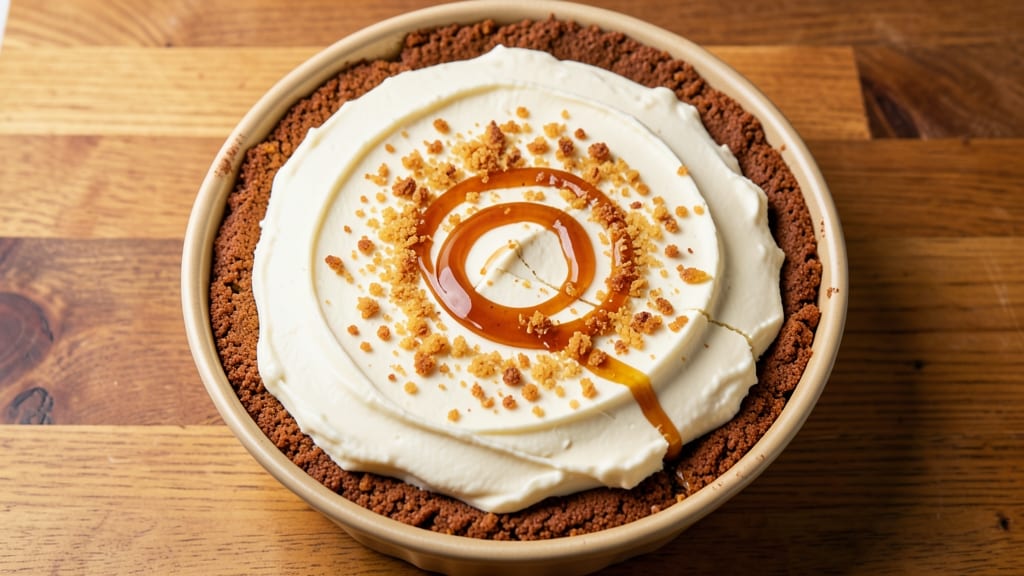
Creating a Philadelphia cream cheese baked cheesecake with that signature silky texture and crack-free top is simpler than you think—this recipe delivers restaurant-quality results every time. The secret lies in precise temperature control and a foolproof crust technique that prevents common baking pitfalls.
I’ve perfected this method after years of testing, and the difference between a dense, cracked cheesecake and this velvety masterpiece comes down to just a few key steps.
This recipe builds on traditional techniques while allowing flexibility for modern adaptations, whether you prefer a classic graham cracker crust or want to experiment with nutty options like pecan or almond.
The filling combines Philadelphia cream cheese with sour cream and eggs for a light, airy texture that stays creamy at room temperature. Baking at a lower temperature for longer ensures even cooking without overbrowning, while a water bath prevents cracking.
What you’ll end up with is a cheesecake that’s impossibly smooth, with a golden crust and a center that’s just firm enough to slice cleanly. The flavor is rich but not overly sweet, allowing the cream cheese to shine.
This version stays moist for days, making it perfect for special occasions or when you need a showstopper dessert that’s actually foolproof. Let’s get started on creating your perfect slice.
The beauty of this recipe is its versatility—add a swirl of fruit compote, a sprinkle of cinnamon, or a drizzle of caramel for extra flair. Whether you’re a beginner or an experienced baker, this method guarantees success. Here’s everything you need to make it happen.
Ingredients for philadelphia cream cheese baked cheesecake
Eight simple ingredients transform into a restaurant-quality cheesecake with a crack-free top.
| Ingredient | Amount | Notes |
|---|---|---|
| Philadelphia Cream Cheese 🧀 | 32 oz | Room temperature for smooth mixing |
| Sour Cream 🥛 | 1 cup | Full-fat for creaminess |
| Large Eggs 🥚 | 4 whole | Room temperature, separated |
| Granulated Sugar 🍚 | 1 cup | White or light brown |
| Vanilla Extract 🍯 | 2 tsp | Pure vanilla preferred |
| Graham Cracker Crumbs 🍪 | 2 cups | Original flavor, not sweetened |
| Melted Unsalted Butter 🧈 | ½ cup | Cool before using |
| Light Corn Syrup 🍯 | ½ cup | Or honey as substitute |
| All-Purpose Flour 🌾 | ¼ cup | For crust texture |
| Salt 🧂 | ½ tsp | Fine sea salt |
| Unsweetened Cocoa Powder 🍫 | ¼ cup | Optional for chocolate crust |
| Water 💧 | 1 cup | For water bath |
The cream cheese is non-negotiable here—Philadelphia brand is the gold standard, but any full-fat cream cheese works. Grab a 16 oz block and let it sit at room temp for at least 2 hours before mixing (trust me, it makes all the difference). For the crust, graham cracker crumbs from the baking aisle are fine, but I always make my own by pulsing graham crackers in a food processor—it's crunchier. The melted butter needs to cool completely before mixing, or you'll end up with a greasy crust. If you're feeling fancy, add 1 tbsp cocoa powder to the crust mix for a chocolate twist.
No vanilla extract? Vanilla bean paste or even vanilla sugar at double the amount will work. Running short on corn syrup? Honey or maple syrup in the same quantity keeps things moist. For a nutty crust, swap half the graham crackers for pecan or almond flour. The eggs need to be at room temperature too—cold eggs can cause curdling. If you're worried about cracking, add 1/4 cup sour cream to the filling for extra insurance. And if you don't have a springform pan, a deep 9-inch cake pan with sides works (just grease it well).
This cheesecake keeps beautifully—5-6 days in the fridge covered tightly, or up to 3 months frozen. For serving, let it sit at room temp for 30 minutes first. I always slice it with a warm knife for clean cuts. The crust stays crispy if you store it in an airtight container. Want to prep ahead? Make the crust a day early and refrigerate it—it'll be even crunchier. The filling can be mixed ahead too, but bake it fresh for the best texture.
Why You'll Love This Recipe
- Here’s what sold me: this recipe stretches further than store-bought, and the leftovers? They’re just as good the next day. Wrap slices in parchment, freeze them, and thaw for a no-bake dessert when you’re in a rush. (My kids don’t even know it’s “fancy.”)
- No Mixing Madness: I swear by this recipe because it’s actually foolproof—just beat the cream cheese and sugar until smooth, fold in the eggs one at a time, and call it done. No food processor, no overmixing, no stress. The sour cream keeps it light without requiring extra steps.
- Vanilla-Sugar Crunch Core: Honestly, the flavor is what makes this a keeper. That first bite of the creamy center—rich from the Philadelphia cream cheese, brightened by vanilla, and just sweet enough—is pure satisfaction. (Yes, even on a Tuesday night.)
- Party in a Pan: This cheesecake is my go-to for gatherings because it’s unfussy. Bake it in a springform, let it cool, and boom—you’ve got a showstopper that doesn’t require hours of chilling. Slice it, serve it, and no one will guess it took less than an hour.
Step-by-step instructions for Philadelphia cream cheese baked cheesecake
Here's how to bake a silky, crack-free cheesecake that stays perfectly set every time.
Prepare the Crust and Preheat the Oven
Preheat your oven to 350°F. In a medium bowl, combine the 2 cups graham cracker crumbs, 0.5 cup melted unsalted butter, and 0.25 cup unsweetened cocoa powder (if using). Mix until evenly moistened—it should hold together when pressed but not be crumbly. Press the mixture firmly into the bottom of a 9-inch springform pan, creating an even layer.
Here's the thing—I always tap the pan gently on the counter a few times after pressing to settle the crumbs. This prevents air pockets and ensures an even bake. Bake the crust for 10 minutes while you prepare the filling. It should come out golden and set, not browned. Remove from oven and set aside.
Mix the Cheesecake Filling
In a large mixing bowl, beat the 32 oz Philadelphia cream cheese and 1 cup sour cream together on medium speed until completely smooth. This step is crucial—you want to eliminate every lump for that silky texture. Gradually add the 1 cup granulated sugar while continuing to mix until fully incorporated.
Add the 4 whole large eggs, one at a time, mixing just until each is fully combined. Overmixing here can incorporate air, which causes cracks later. Stir in the 2 tsp vanilla extract and 0.5 tsp salt. The batter should be thick but pourable—if it looks too stiff, add 1 tablespoon of the light corn syrup to help it flow.
Combine Wet Ingredients and Prepare for Baking
In a separate small bowl, whisk together the 0.5 cup light corn syrup and 0.25 cup all-purpose flour. Slowly pour this mixture into the cheesecake batter while mixing on low speed. This creates a stable structure that prevents cracking during baking. Pour the batter into the prepared crust, spreading it evenly.
Place the springform pan in a deep baking dish and carefully pour 1 cup hot water into the dish, creating a water bath. This gentle steam bath helps the cheesecake set evenly without developing cracks. The water should come about halfway up the sides of the pan.
Bake to Perfect Doneness
Bake the cheesecake for 50-55 minutes until the edges are set and the center still jiggles slightly when gently shaken. You're aiming for that wobbly but firm texture—like jelly. The top should be smooth, not cracked, and the sides should pull away from the pan easily.
I know it's tempting to check for doneness early, but resist the urge to open the oven door. Each time you peek, you risk creating temperature fluctuations that can cause cracks. When the center still has a slight quiver, it's ready. Remove from the water bath and let it cool completely at room temperature.
Chill and Serve
Once the cheesecake has cooled to room temperature, cover it tightly with plastic wrap and refrigerate for at least 4 hours, preferably overnight. This chilling period is what transforms it from a warm pudding into that firm, creamy slice you love. The longer it chills, the more the flavors meld together.
Before serving, run a thin knife around the edges to loosen it from the pan. Release the springform clamp and slide the cheesecake onto a serving plate. Cut into slices and enjoy the perfect balance of rich cream cheese, subtle sweetness, and that buttery graham cracker crust. This is the moment you've been waiting for—creamy, crack-free perfection.
Pro Tips For Making Philadelphia Cream Cheese Baked Cheesecake
- Sift the Cream Cheese: I learned this the hard way—lump-free batter starts with sifting your Philadelphia cream cheese through a fine-mesh sieve. The block version is dense, and even blending it won’t eliminate every speck of graininess. Takes 30 seconds but saves you from that weird texture later.
- Whip Eggs First: Beat the eggs and sugar together until they’re pale and thick before folding in the cream cheese mixture. This ensures the eggs are fully emulsified, which means a smoother texture and fewer cracks. I used to skip this, and my cheesecake always had that sad, grainy mouthfeel.
- Skip the Overmixing: Once you fold in the sour cream and vanilla, stop mixing the moment everything is just combined. Overmixing introduces air bubbles that burst during baking, leading to a domed, cracked top. Give it one gentle turn—no need to be thorough.
- Water Bath at 325°F: Bake the cheesecake in a water bath at 325°F for the full 50-60 minutes, even if the edges look set. The center will jiggle slightly—this isn’t failure, it’s proof the texture is still developing. Rushing it out of the oven guarantees a dense, undercooked middle.
Serving suggestions for philadelphia cream cheese baked cheesecake
Classic Presentation
Serve your cheesecake straight from the springform pan on a chilled glass platter for an elegant touch. I always garnish with fresh raspberries arranged in a circular pattern around the edges—their tartness cuts through the richness beautifully.
For extra flair, dust the top with powdered sugar using a fine-mesh sieve for a snowy finish. 🍓
Warm Toppings
Heat caramel sauce in a small saucepan until it reaches 160°F, then drizzle generously over each slice. I recommend Homemade Salted Caramel from Wilton for that perfect balance of sweet and salty.
Another crowd-pleaser is warm chocolate ganache—melt ½ cup dark chocolate chips with ¼ cup heavy cream, stir until smooth, and pour over the top. Let it set for 2 minutes before serving.
Fruit Compote Swirl
Prepare a simple berry compote by simmering 1 cup mixed berries (strawberries, blueberries, raspberries) with 2 tbsp sugar and 1 tsp lemon juice for 10 minutes until thickened. Cool completely, then swirl it into the batter before baking for a marbled effect.
Alternatively, serve it on the side for dipping—strawberry compote pairs especially well with the creamy texture. 🍓
Nutty Crunch Toppings
Toast pecans or walnuts in a dry skillet over medium heat for 3-4 minutes until golden. Sprinkle them over the top just before serving for added texture.
For a chocolate-nut twist, mix ¼ cup toasted nuts with 2 tbsp cocoa powder and 1 tbsp sugar, then press gently onto the cheesecake surface. This adds a delightful contrast to the creamy filling.
Coffee or Tea Pairings
Serve your cheesecake with a strong espresso or chai tea to complement the rich, creamy flavors. The bitterness of coffee enhances the sweetness, while the spices in chai add warmth.
For a dessert-focused pairing, try Baileys Irish Cream—just a 1-ounce pour over the top adds a luxurious touch. Keep the cheesecake chilled until serving to maintain its texture.
Make-Ahead Serving
This cheesecake actually tastes better the next day, so plan ahead! Store leftovers in an airtight container in the fridge for up to 5 days. To serve, let slices sit at room temperature for 15-20 minutes before plating.
For a warm dessert twist, briefly reheat slices in the microwave for 10-15 seconds—this softens the crust slightly and makes it even more decadent. 💫
Nutrition facts
Frequently asked questions
Can I substitute regular cream cheese for Philadelphia brand?
While you can use regular full-fat cream cheese, Philadelphia is preferred because it's smoother and higher in fat content, which creates that signature creamy texture. For the best results, use a block-style cream cheese that's at least 85% fat. If using tub cream cheese, add 1 extra tablespoon of sour cream to compensate for lower fat content.
Why does my baked cheesecake crack on top?
Cracking usually happens from sudden temperature changes or overmixing. To prevent this, avoid opening the oven door during baking, use a water bath, and mix the batter just until combined. Adding 1/4 cup extra sour cream to the filling also helps stabilize the texture. Let the cheesecake cool gradually at room temperature before chilling.
How do I make a chocolate crust instead of graham cracker?
Replace the graham cracker crumbs with 1 1/2 cups chocolate cookie crumbs (like Oreos) or make a chocolate crust by mixing 1 cup crushed chocolate wafers with 1/2 cup melted butter and 2 tbsp cocoa powder. Press into the pan and bake for 10 minutes before adding the filling. For extra richness, add 1 oz chopped dark chocolate to the crust mixture.
Can I bake this cheesecake without a springform pan?
Yes! Use a deep 9-inch cake pan with sides. Grease it thoroughly and line the bottom with parchment paper. After baking, let it cool completely before removing. The cheesecake will release more easily if you run a knife around the edges. For extra insurance, use a water bath even with a cake pan to prevent cracking.
Why is my cheesecake too dense instead of creamy?
Density usually comes from overbaking or not incorporating enough air. Make sure your eggs and cream cheese are at room temperature, and mix the batter just until combined. Bake until the edges are set but the center still jiggles slightly (50-55 minutes). Also, ensure you're using the full amount of sour cream and corn syrup in the recipe—they help create that light texture.