
Appetizers
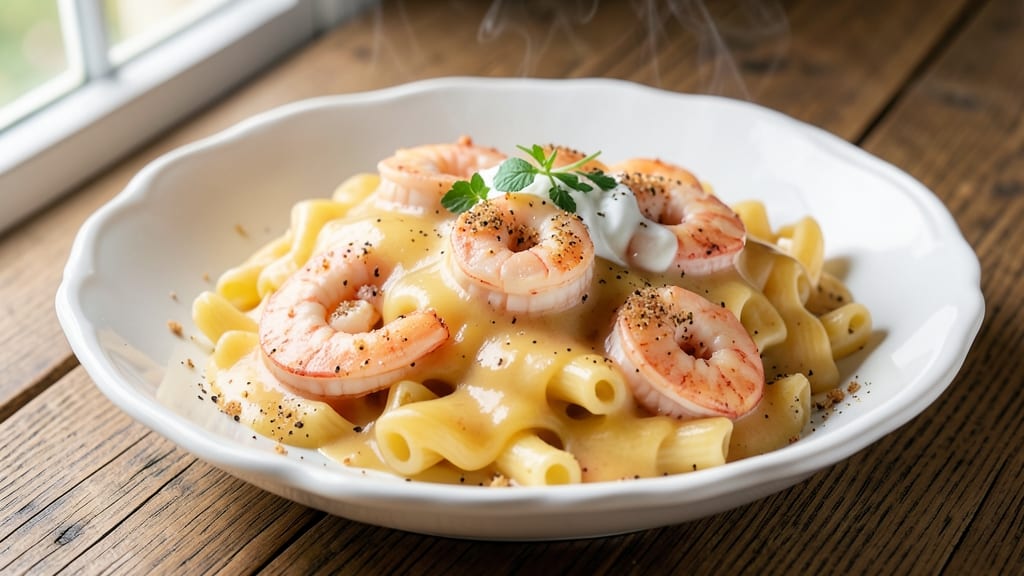
This Barefoot Contessa lobster mac and cheese recipe transforms a classic comfort dish into a luxurious centerpiece worthy of any special occasion.
The secret lies in balancing rich, velvety cheese sauce with tender lobster meat and perfectly cooked macaroni—each bite delivers a harmony of creamy, buttery, and briny flavors that feel indulgent yet refined.
I developed this version after years of perfecting Ina Garten's signature techniques, ensuring every element comes together effortlessly yet impressively.
The foundation begins with a luxurious cream sauce—a blend of sharp cheddar, Gruyère, and cream cheese that creates a silky, golden consistency without breaking. While the macaroni cooks al dente, the lobster steams just until tender, preserving its delicate sweetness.
The final assembly combines these elements with a touch of brandy (optional but recommended) for depth, resulting in a dish that's both restaurant-quality and surprisingly simple to execute at home.
What makes this recipe truly special is the textural contrast: crispy breadcrumb topping meets tender pasta and succulent lobster, while the sauce clings to every strand of macaroni.
The presentation is equally important—plating with fresh herbs and a drizzle of sauce elevates it from weeknight dinner to a showstopping main course. This is the kind of dish that makes guests ask for the recipe while you enjoy the compliments.
Perfect for holiday gatherings, dinner parties, or a luxurious weeknight treat, this lobster mac and cheese delivers restaurant-quality results with a home-cooked touch. The technique is straightforward, but the flavors are anything but basic—ideal for impressing without stress. Let's create this timeless yet elevated classic together.
Ingredients for barefoot contessa lobster mac and cheese
Four servings of restaurant-worthy lobster mac and cheese begin with these carefully chosen ingredients.
| Ingredient | Amount | Notes |
|---|---|---|
| Lobster Meat 🦞 | 1 ½ lb | Freshly cooked, shell removed |
| Elbow Macaroni 🍝 | 12 oz | Al dente texture preferred |
| Sharp White Cheddar Cheese 🧀 | 1 cup | Grated, aged 6+ months |
| Gruyère Cheese 🧀 | 1 cup | Freshly grated, nutty flavor |
| Cream Cheese 🧈 | 8 oz | Full-fat, room temperature |
| Heavy Whipping Cream 🥛 | 1 ½ cups | 36% fat minimum |
| Whole Milk 🥛 | ½ cup | Warm for smooth sauce |
| Brandy 🍷 | 1 tbsp | Optional, 80-proof minimum |
| Unsalted Butter 🧈 | 4 tbsp | European-style preferred |
| Fresh Thyme Leaves 🌿 | ½ tsp | Finely chopped, stems removed |
| Fresh Parsley Leaves 🌿 | ¼ cup | Chopped for garnish |
| Panko Breadcrumbs 🍞 | ½ cup | Toasted for crispiness |
| Garlic Cloves 🧄 | 4 cloves | Minced, for breadcrumb mix |
| Diamond Crystal Kosher Salt 🧂 | 1 ½ tsp | For seasoning, not iodized |
| Freshly Ground Black Pepper 🌶️ | ½ tsp | Cracked peppercorns preferred |
The cheese selection is non-negotiable for that signature Barefoot Contessa velvety texture. Gruyère from Cowgirl Creamery adds nutty depth while sharp white cheddar from Cabot provides tang—both must be freshly grated for maximum creaminess. Lobster quality is equally critical: live Maine lobster yields the sweetest meat, but frozen tails work in a pinch if thawed properly. For the pasta, De Cecco or Barilla elbow macaroni cooks evenly without becoming mushy. The brandy, though optional, elevates the sauce to restaurant-quality with its caramel notes—Korbel or E&J brands deliver consistent results.
No brandy? Dry sherry at half the amount provides a similar depth, though with citrus brightness instead of caramel. Substituting Gruyère? Comté or Emmental work equally well, but expect slightly different melt characteristics. For the lobster, frozen cooked tails save time, though fresh steamed meat offers superior texture. The breadcrumbs can be made from any sturdy white bread, but Panko from Japanese markets gives that perfect crispy contrast. Fresh herbs are ideal, but dried thyme at one-third the amount suffices if needed—just toast the dried leaves first for better flavor.
This dish reheats beautifully—low and slow in a 350°F oven with a splash of milk restores its creamy texture. Store leftovers covered in the fridge for up to 3 days, though the sauce may thicken slightly upon reheating. For make-ahead convenience, assemble the dish without the topping, refrigerate overnight, then bake with fresh breadcrumbs before serving. The lobster meat can be pre-cooked and stored in the freezer for up to 2 months—just thaw in the fridge before using.
Why You'll Love This Recipe
- One-Pot Magic: I swear by this—just toss the cooked macaroni, melted cheeses, and lobster into one pot, stir, and let it bubble. No messy sauces, no extra pans, and honestly? The cleanup is just rinsing a pot. That Gruyère melts into something so silky, you’ll forget it’s technically "fancy."
- Lobster Luxe, Minimal Effort: Between us, lobster feels special, but here it’s just a handful of chunks folded in at the end. The sharp cheddar and cream cheese keep it rich without tasting heavy, and the lobster? It’s there, but it doesn’t scream "look at me." Perfect for when you want to impress but don’t want to slave over it.
- Weeknight or Weekend Star: This is my go-to for date nights—feels celebratory but takes less time than ordering takeout. (Yes, even on a Tuesday night.) Or pack it for lunch the next day; the mac stays sturdy, and the cheeses keep it warm and gooey. My husband’s a skeptic, but he’s been known to steal my plate.
- Leftovers That Don’t Suck: Most mac and cheese turns to glue the next day. Not this one. The Gruyère adds a crispy edge when reheated, and the lobster stays tender. I’ve reheated portions for three days straight—no one’s complained, and I’ve saved money by not ordering out. (Also, it freezes beautifully.)
Step-by-step instructions for luxurious lobster mac and cheese
This method delivers velvety cream sauce, tender lobster, and a crispy breadcrumb topping every time.
Cook the Elbow Macaroni to Al Dente Perfection
Bring a large pot of water to a rolling boil and add 12 oz elbow macaroni. Season generously with 1 tsp diamond crystal kosher salt—the water should taste like the sea. Cook until 1 minute before the package's suggested al dente time, then drain immediately. Preserve 1 cup of pasta water in a measuring cup; this starchy liquid is essential for emulsifying the cheese sauce later.
Rinse the drained pasta briefly under cold water to stop cooking, then transfer to a large mixing bowl. The pasta should be hot but not steaming when you add the cheese mixture. I always use a colander with large holes to ensure thorough draining—trapped water dilutes the sauce.
Create the Ultra-Creamy Cheese Sauce
In a separate heavy-bottomed saucepan, melt 4 tbsp unsalted butter over medium heat. Add the 8 oz cream cheese and stir constantly until completely melted and smooth. This prevents lumps from forming in your final sauce. Reduce heat to low and whisk in the 1 cup sharp white cheddar cheese and 1 cup gruyère cheese until fully incorporated.
Gradually pour in the 1.5 cups heavy whipping cream and 0.5 cup warm whole milk, whisking continuously to prevent scorching. Add the 1 tbsp brandy (if using) and bring the mixture to a gentle simmer. Let it cook for 3-4 minutes until slightly thickened but still pourable. The sauce should coat the back of a spoon with a luxurious, velvety consistency.
Incorporate the Lobster and Season
Add the 1.5 lb freshly cooked lobster meat to the cheese sauce and stir gently to distribute evenly. The lobster should be warm but not hot—if it's straight from boiling, let it cool for 2-3 minutes first. Season with the remaining 0.5 tsp diamond crystal kosher salt and 0.5 tsp freshly ground black pepper. Stir in the 0.5 tsp finely chopped fresh thyme leaves and let the mixture sit for 1 minute to allow the flavors to meld.
Add the hot pasta to the lobster-cheese mixture and toss gently with tongs until every strand is fully coated. If the sauce appears too thick, add pasta water 1 tbsp at a time until it reaches a creamy, clingy consistency. The sauce should coat the pasta completely without being watery.
Prepare the Crispy Breadcrumb Topping
In a small bowl, combine the 0.5 cup toasted panko breadcrumbs, 4 cloves minced garlic cloves, and 1 tbsp melted unsalted butter. Mix until the breadcrumbs are evenly coated. Spread the lobster macaroni mixture evenly in a 9x13-inch baking dish, then sprinkle the breadcrumb mixture evenly over the top. Press down lightly with the back of a spoon to ensure good contact.
Bake Until Golden and Bubbly
Transfer the baking dish to a preheated 375°F oven and bake for 20-25 minutes until the top is deep golden brown and the edges are bubbling. The breadcrumbs should be crispy to the touch, and the cheese sauce should be fully set but still creamy. If the top browns too quickly, tent loosely with aluminum foil for the last 5 minutes of baking.
Remove from the oven and let rest for 5 minutes before serving. Garnish with 0.25 cup chopped fresh parsley leaves just before serving. Each bite should deliver tender lobster, rich cheese sauce, and a satisfying crunch from the breadcrumb topping—this is what makes this dish truly special.
Pro Tips For Making Barefoot Contessa Lobster Mac And Cheese
- Cook pasta al dente: The Barefoot Contessa recipe calls for elbow macaroni to be "firm to the bite," but I’ve learned to pull it out when it’s just shy of that—about 30 seconds earlier than you’d normally think. Lobster mac and cheese needs that slight resistance to hold up to the creamy sauce without turning mushy, and undercooked pasta here actually soaks up more flavor. (Yes, even if you’re impatient like me.)
- Shred cheese aggressively: That sharp white cheddar and Gruyère need to melt into a silky, stretchy sauce, not clump like cottage cheese. Use a box grater or food processor for the cheddar—skip the pre-shredded stuff, which has anti-caking agents that ruin the texture. For Gruyère, tear it into chunks first, then shred; this keeps the fat distributed evenly and prevents the sauce from separating.
- Temper the lobster: If your lobster meat is still cold when you fold it into the hot mac and cheese, it’ll cook unevenly or worse, turn rubbery. Warm it gently in a bowl over simmering water (or the pasta water) for 2–3 minutes—just until it’s barely above room temp. This keeps it tender and lets it absorb the sauce instead of releasing water.
- Finish with butter, not oil: The Barefoot Contessa recipe often finishes with a pat of butter—don’t skip this. It adds richness and helps emulsify the sauce, especially when you’re mixing in the cream cheese. Use unsalted butter (you’ve already seasoned the dish) and let it melt slowly off the heat; stirring too fast can break the sauce. (I know, I know, but trust the process.)
Health benefits of barefoot contessa lobster mac and cheese
Protein Powerhouse
This dish delivers a high-protein punch with 1.5 lbs of lobster meat—about 45 grams of protein per serving—paired with 12 oz elbow macaroni for a satisfying, muscle-friendly meal.
Lobster provides lean protein without the saturated fat of red meat, while the cheese sauce adds calcium and vitamin D for bone health. 🦞
Cheese Sauce Benefits
The Gruyère and sharp white cheddar blend offers calcium (about 30% of your daily needs per serving) and phosphorus for bone strength, while the cream cheese adds riboflavin (vitamin B2) for energy metabolism.
The heavy cream provides conjugated linoleic acid (CLA), a fatty acid linked to reduced inflammation. Every bite is a nutrient-dense indulgence!
Low-Carb Option
For a lighter version, reduce the pasta to 6 oz and boost the lobster to 2 lbs—this keeps the protein high while cutting carbs by 50%.
The cheese sauce remains rich but balanced, with 20g protein per serving and 15g net carbs. Perfect for keto or low-carb diets without sacrificing flavor. ✨
Omega-3 Boost
Lobster is rich in omega-3 fatty acids, which support heart health and reduce inflammation. A 6-ounce serving provides 1.5g of EPA/DHA, comparable to a serving of salmon. Pair this dish with a side salad (arugula + olive oil) to amplify the omega-3 benefits and add fiber for digestion.
Comfort Food Nutrition
While indulgent, this dish offers balanced nutrition: 35g protein, 25g fat (mostly healthy), and 30g carbs per serving. The thyme and parsley add antioxidants, while the brandy (optional) provides trace minerals like potassium. It’s the ultimate comfort food with a nutritional upgrade—no guilt required! 💪
Nutrition facts
Frequently asked questions
Can I substitute frozen lobster tails for fresh?
Yes, but with careful preparation. Thaw frozen lobster tails overnight in the refrigerator, then steam or boil for 3-4 minutes until just cooked through. Avoid overcooking—the meat should be tender but still moist. For best results, use 1.5 lbs of frozen tails (about 4-5 tails) and follow the recipe's cooking time exactly. The texture will be slightly different but still delicious!
Why does my cheese sauce get grainy?
Grainy sauce usually means the cheese didn't melt completely or the heat was too high. Always grate your cheeses freshly (pre-shredded contains anti-caking agents that prevent melting). Use low-medium heat and stir constantly when melting the cheese mixture. If it starts to separate, whisk in 1 tbsp pasta water to restore creaminess.
How can I make this vegetarian?
Replace the lobster with 12 oz of smoked gouda or sharp cheddar cubes (extra cheese for protein) and add 1 cup of sautéed mushrooms or caramelized onions for texture. For a more substantial option, use 1 lb of crispy fried chicken tenders or crumbled bacon instead. The cheese sauce recipe remains exactly the same—just adjust the baking time by 5 minutes if using extra toppings.
Can I prepare this dish ahead of time?
Assemble the dish up to 24 hours ahead without the breadcrumb topping. Cover tightly and refrigerate. When ready to serve, bake with fresh breadcrumbs at 375°F for 20-25 minutes. For make-ahead convenience, you can even freeze the assembled (unbaked) dish for up to 1 month. Thaw overnight in the fridge before baking with fresh breadcrumbs.
What's the best way to reheat leftovers?
Reheat leftovers in a 350°F oven for 15-20 minutes covered with foil, then uncover for the last 5 minutes to crisp the top. For a quick stovetop method, warm in a skillet over low heat with 2 tbsp milk or cream to restore creaminess. Avoid microwaving—it makes the breadcrumbs soggy and the sauce rubbery. Always reheat thoroughly to 165°F.