
Appetizers
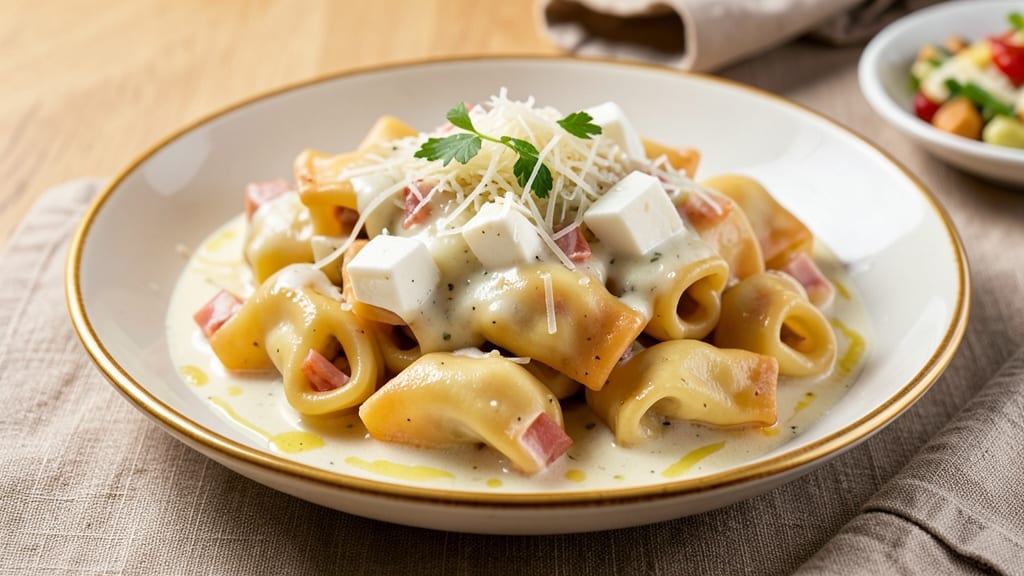
This Barilla 3 cheese tortellini recipe transforms simple ingredients into restaurant-quality Italian comfort food with minimal effort. The secret lies in the perfectly balanced blend of mozzarella, parmesan, and ricotta inside each tender tortellini, creating a melt-in-your-mouth experience that's impossible to resist.
What sets this dish apart is how the cheese transforms during cooking—from firm to creamy, all while maintaining that delicate pasta texture.
Mastering this recipe comes down to two key techniques: al dente pasta and the right sauce pairing. Boiling the tortellini for just 8-10 minutes ensures they stay tender without becoming mushy, while the sauce—whether classic Alfredo, tangy marinara, or simple garlic butter—becomes the star by clinging to each cheese-filled pocket.
The beauty of this dish is its versatility; it works as a hearty appetizer or satisfying main course with minimal sides.
What you'll achieve is a plate of golden tortellini swimming in luscious sauce, each bite offering that perfect marriage of creamy cheese and al dente pasta. The aroma alone—warm, cheesy, and slightly buttery—will have everyone at the table anticipating the first forkful.
This is comfort food at its finest, elevated by simple techniques that deliver professional results.
Pair with a crisp green salad and garlic bread for the full Italian experience, or keep it simple with a sprinkle of fresh basil and cracked black pepper. The possibilities are endless, but the foundation—perfectly cooked tortellini and rich sauce—remains the same. Let's get cooking!
Ingredients for barilla 3 cheese tortellini
The foundation of restaurant-quality tortellini lies in these twelve carefully selected ingredients.
| Ingredient | Amount | Notes |
|---|---|---|
| Barilla 3 Cheese Tortellini 🍝 | 12 oz | Fresh or frozen, uncooked |
| Heavy Cream 🥛 | 1 ½ cups | Full-fat for richness |
| Unsalted Butter 🧈 | 4 tbsp | European-style preferred |
| Garlic Cloves 🧄 | 4 cloves | Minced for aromatic base |
| Fresh Parmesan Cheese 🧀 | ½ cup | Freshly grated from block |
| Fresh Mozzarella Cheese 🧀 | ½ cup | Low-moisture, shredded |
| Ricotta Cheese 🧀 | ¼ cup | Whole milk preferred |
| Vegetable Broth 💧 | 1 ½ cups | Low-sodium for balance |
| Fresh Basil Leaves 🌿 | ¼ cup | Chopped for garnish |
| Black Peppercorns 🌶️ | ½ tsp | Freshly cracked |
| Diamond Crystal Kosher Salt 🧂 | ½ tsp | For seasoning |
| Extra-Virgin Olive Oil 🫒 | 2 tbsp | For finishing |
The cheese selection is non-negotiable for authentic flavor. Parmigiano-Reggiano from a deli counter—grated yourself—delivers that unmistakable umami depth. For mozzarella, low-moisture shreds prevent soggy pasta, while ricotta adds that signature creamy texture. Whole milk ricotta from Trader Joe's or a local Italian market ensures optimal moisture content. Fresh tortellini from Barilla's refrigerated section (not frozen) yields the best texture, though frozen works in a pinch when thawed properly. The heavy cream should be full-fat—Hormel or Organic Valley brands provide consistent results without overpowering the cheese profile.
No heavy cream? Full-fat coconut milk creates a lighter version, though the flavor shifts slightly. Substituting ricotta with mascarpone adds richness but alters the texture—use at half the amount. For a dairy-free option, cashew cream (blended soaked cashews with water) mimics the fat content but requires adjustment. Fresh garlic is essential here; pre-minced garlic in jars loses its aromatic punch. The vegetable broth should be low-sodium to avoid over-salting the dish. If using dried basil, one-third the amount of fresh works, though it lacks the bright flavor. For a quicker prep, pre-shredded cheese saves time, though freshly grated delivers superior meltability.
Fresh tortellini should be used within 2 days of purchase, while frozen tortellini keeps for 12 months in the freezer. The sauce components—cream, butter, and broth—can be prepped 2 days ahead and stored separately in airtight containers. Once combined, the sauce holds for 3 days refrigerated or 3 months frozen. For optimal texture, reheat tortellini in the sauce over medium-low heat until warmed through. Garnish with fresh basil and a drizzle of olive oil just before serving to preserve its vibrant color and aroma.
Why You'll Love This Recipe
- No Boil Struggle: I swear by the microwave method—just a splash of water, 30 seconds, and those tortellini are tender. No waiting, no watching the pot, no mess.
- Creamy Cheese Magic: That Barilla 3-cheese filling? It’s already done the work for you. Add heavy cream and butter, and suddenly you’ve got a sauce so rich it feels like a hug in a bowl.
- Weeknight to Party: Same ingredients, endless uses. Serve it with a sprinkle of Parmesan for a quick weeknight dinner, or add sautéed mushrooms for a fancier guest meal. No rules, just flexibility.
- Leftovers That Don’t Suck: Honestly, this tastes better the next day. The cream thickens just right, and the cheese gets even more melty. Pack it for lunches or freeze it—no one will guess it’s reheated.
Step-by-step instructions for Barilla 3 cheese tortellini
Here's how to transform simple ingredients into a velvety, cheesy pasta dish that melts in your mouth.
Sauté Garlic in Butter Until Fragrant
In a large, deep skillet, melt the 4 tablespoons unsalted butter over medium heat. Once the butter has fully melted and begins to foam, add the 4 cloves minced garlic cloves. Cook for 1-2 minutes until the garlic becomes golden and releases its aromatic essence—this is your flavor foundation. Be careful not to let it burn; it should smell sweet and nutty, not bitter.
Here's the thing—garlic releases its full flavor when it's cooked just until fragrant, not until it turns dark. If you see it starting to brown too quickly, reduce the heat slightly. This step ensures your entire dish will have that rich, savory depth that makes all the difference in a simple cheese pasta.
Add Cream and Cheese for a Silky Sauce
Pour in the 1.5 cups heavy cream and stir to combine with the garlic butter. Bring the mixture to a gentle simmer over medium-low heat, then reduce the heat to maintain a slow bubble. Add the 0.5 cup fresh parmesan cheese and 0.5 cup fresh mozzarella cheese, stirring constantly until the cheese melts completely and the sauce thickens slightly—about 3-4 minutes.
This is where the magic happens. The cream should coat the back of a spoon but still move easily when stirred. If it starts to thicken too much, add 1-2 tablespoons vegetable broth to maintain a smooth, velvety consistency. Stir in the 0.25 cup ricotta cheese until fully incorporated, creating a luxurious, creamy base that will cling beautifully to the tortellini.
Cook the Tortellini in the Cheese Sauce
Add the 12 oz Barilla 3 Cheese Tortellini to the skillet, ensuring they're fully submerged in the sauce. Cover the skillet and let the tortellini cook for 5-7 minutes over medium-low heat, stirring occasionally. You want them to cook through while absorbing the rich, cheesy sauce—no need to add water or broth at this stage, as the sauce should be sufficient.
Here's the crucial part: the tortellini should be al dente when finished. If you're using frozen tortellini, make sure they've thawed completely before adding them to the sauce. The cheese filling inside will melt perfectly, creating a gooey surprise in every bite. Taste the sauce and adjust seasoning with 0.5 teaspoon diamond crystal kosher salt and 0.5 teaspoon freshly cracked black peppercorns as needed.
Finish with Olive Oil and Fresh Basil
Remove the skillet from heat and stir in the 2 tablespoons extra-virgin olive oil. This adds a bright, fruity note that cuts through the richness of the cheese sauce. Add the 0.25 cup chopped fresh basil leaves and toss gently to distribute evenly. The basil should wilt slightly, releasing its fresh aroma and adding a pop of color to the dish.
Let the tortellini rest for 2-3 minutes off the heat before serving. This allows the sauce to fully coat the pasta and the flavors to meld together. The result should be a dish where every forkful delivers a perfect balance of creamy, cheesy goodness with a touch of garlic and herb brightness. Serve immediately while hot, with extra grated parmesan on the side if desired.
Pro Tips For Making Barilla 3 Cheese Tortellini
- Use Medium Heat for Cream: Heavy cream scalds faster than you’d think—especially when you’re eager to get that sauce going. Simmer it on medium-low heat until it just begins to bubble, then pull it off heat to stir in the butter. I learned this the hard way after curdling a batch while rushing to add garlic.
- Toast the Garlic: Skip the raw garlic clove mistake—smash 2 cloves flat with the side of your knife first, then cook them in butter until golden (about 2 minutes). This adds depth without bitterness, and the texture melts into the sauce instead of sitting as chunks.
- Reserve the Pasta Water: Drain the tortellini almost dry, then splash in ¼ cup of that starchy pasta water when tossing with the cream sauce. The starch acts like a glue, keeping the sauce clinging to every cheesy nook. (Yes, even if it feels wasteful—it’s not.)
- Finish with Cold Parmesan: Grate the Parmesan right before serving and fold it in off the heat—cold cheese melts slower and keeps the sauce from breaking. I was skeptical until I tried it: the sauce stays silky, not greasy. (Bonus: Use a microplane for finer, more flavorful shavings.)
Wine and beer pairings for this dish
Creamy White Wine
The rich, velvety texture of this tortellini dish pairs beautifully with a dry Italian white wine like Pinot Grigio or Vermentino. These wines have crisp acidity that cuts through the creaminess, balancing the dish without overpowering it.
I love a chilled Pinot Grigio from Alto Adige—its bright citrus notes complement the garlic and basil beautifully. 🍷
Lighter Red Options
If you prefer red wine, opt for a light-bodied Italian red like Chianti or Sangiovese. The acidity in these wines helps cleanse your palate between bites of creamy tortellini.
A Chianti Classico with its cherry and herbal notes adds a refreshing contrast to the dish's richness. Serve it slightly cooler than room temperature for the best experience.
Beer Pairings
A crisp Italian lager like Peroni or Moretti works wonderfully with this dish. The light, effervescent quality of these beers helps balance the richness of the cheese sauce. For craft beer lovers, a Belgian witbier with its citrusy and spicy notes provides an interesting contrast.
Avoid heavy stouts or IPAs, as they can overpower the delicate flavors.
Non-Alcoholic Options
For a refreshing non-alcoholic pairing, try a sparkling apple cider or a sparkling water infused with a splash of lemon juice and a few basil leaves. The effervescence and citrus notes cleanse your palate between bites, just like wine or beer would.
A sparkling blood orange soda also adds a sweet and tangy contrast that enhances the dish's flavors.
Pro Tips for Pairing
Always serve your wine or beer chilled—white wines and lagers should be served at 45-50°F, while red wines should be slightly cooler than room temperature. Taste your wine or beer alongside the first bite of tortellini to ensure the flavors complement each other.
If the wine feels too heavy, switch to a lighter option or a non-alcoholic alternative. 💡
Nutrition facts
Frequently asked questions
Can I use frozen Barilla 3 cheese tortellini instead of fresh?
Yes, but you must thaw them completely first! Transfer frozen tortellini to the fridge in a sealed bag for 24 hours or use the quick method: place the sealed package in cold water for 30-45 minutes. Never microwave frozen tortellini—they'll become rubbery. Once thawed, pat them dry with a paper towel before cooking to prevent a watery sauce.
What if my sauce gets too thick when cooking?
Simply add 1-2 tablespoons vegetable broth and stir gently over low heat until smooth. The sauce should coat the back of a spoon but still move easily. For extra richness, you can also stir in 1 tablespoon cold heavy cream to restore velvety texture. Avoid adding too much liquid at once—it's easier to fix an under-thickened sauce than one that's too runny.
How do I make this dish ahead of time?
Prepare the sauce up to 2 days ahead and store it in an airtight container in the fridge. Reheat gently over low heat while adding the tortellini fresh—this prevents them from becoming mushy. For the tortellini themselves, cook them 1 minute less than package instructions (about 7 minutes for fresh, 8 minutes for frozen), then toss with a little olive oil to prevent sticking. Reheat in the sauce for 2-3 minutes before serving.
Can I make this dish without heavy cream?
For a lighter version, substitute with 1 cup whole milk plus 2 tablespoons cornstarch (mixed into a slurry). Alternatively, use ½ cup full-fat coconut milk for a dairy-free option—just reduce the ricotta to 1 tablespoon to balance the moisture. The sauce will be slightly less rich but still delicious. Add a pinch of nutmeg to enhance the cheesy flavor when using milk-based substitutes.
Why do my tortellini sometimes float to the surface?
This happens when air pockets form inside the pasta during cooking. To prevent it, gently stir the tortellini every 2 minutes while cooking in the sauce. If they do float, simply press them down with a spatula and continue cooking. For extra insurance, add ½ teaspoon salt to the sauce before adding the tortellini—this helps them sink better. The floating issue doesn't affect taste, but stirring ensures even cooking and sauce distribution.